Gold volatility weighs on jewelry demand

Consumers are pulling back from gold jewelry just as bullion markets turn more volatile, and that matters because the world’s biggest discretionary gold market is being squeezed by price uncertainty rather than a simple lack of demand.
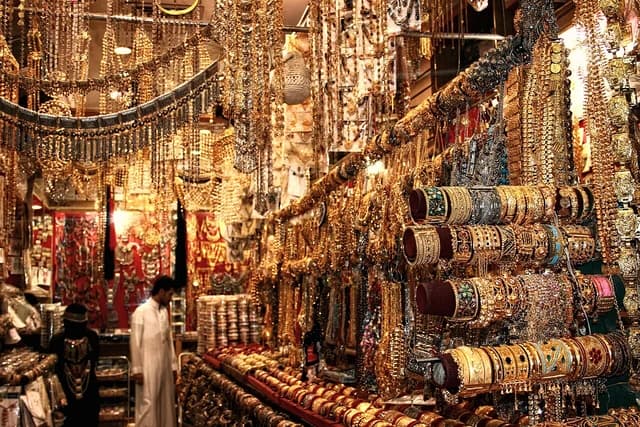
When gold whipsaws, shoppers don’t just delay purchases — they change behavior. Jewelers face weaker conversion at the counter, thinner merchandising margins and more discounting pressure as buyers balk at paying up for pieces they can see repriced within days. That creates an immediate drag on retailers tied to wedding, festive and gift-buying seasons, while also shifting demand toward lighter designs, lower-karat products and alternative materials.
The move comes against a backdrop of choppy gold trading. GLD, the largest U.S. gold ETF, has been volatile, with the fund closing at $401.17 on Sept. 18 after swinging from a March low near $400 to an early-year high above $490. Its RSI has cooled to 44.3 from overbought levels above 80 earlier in the year, while the 50-day moving average sits below the 200-day trend, a sign momentum has been inconsistent even as prices remain elevated. In other words, gold’s price is still rich, but the path is no longer smooth enough to encourage casual jewelry purchases.
That matters economically because jewelry is not just decoration; it is a major channel for physical gold demand, especially in India, the Middle East and Asia’s wedding-driven retail cycle. High and unstable prices force consumers to defer buying, recycle old pieces, or trade down to coins and bars. For miners and bullion vehicles, that can mean weaker fabrication demand even when investor flows remain intact. For retailers, it means working capital gets trapped in inventory just as customers become more price-sensitive.
The pressure is showing up in corporate results, too. Signet Jewelers has already flagged gross margin pressure from higher gold prices, accelerated melt activity and inventory write-downs in its latest filing, a reminder that volatility can be as damaging as outright inflation. That is the key investor takeaway: the winners in this market are not necessarily the gold buyers, but the businesses that help consumers avoid paying peak prices, or that profit from the volatility itself.
The market underestimates how quickly expensive gold can cool discretionary demand. If prices stay near these levels and continue to swing, the next beneficiary may be not jewelry chains, but refiners, recyclers, gold-backed funds and miners with stronger cost control. For investors, the opportunity is to own the toll roads around the gold trade, not the part most exposed to hesitant holiday shoppers.
| Entity | Gains | Losses |
|---|---|---|
| Gold ETFs / bullion holders | ▲safe-haven flows | ▼jewelry demand |
| Jewelry retailers | ▲lower-quality inventory turns | ▼margins and sales volumes |
| Recyclers / refiners | ▲more melt activity | ▼new-piece retail demand |
| Gold miners | ▲stronger realized prices | ▼fabrication demand in jewelry |