Goodyear shares fall as tire import risks rise
Buying winter tires from China can look like a bargain — but for drivers, automakers and tire makers, the bigger risk is that lower sticker prices can come with higher exposure to safety, supply-chain and trade shocks.
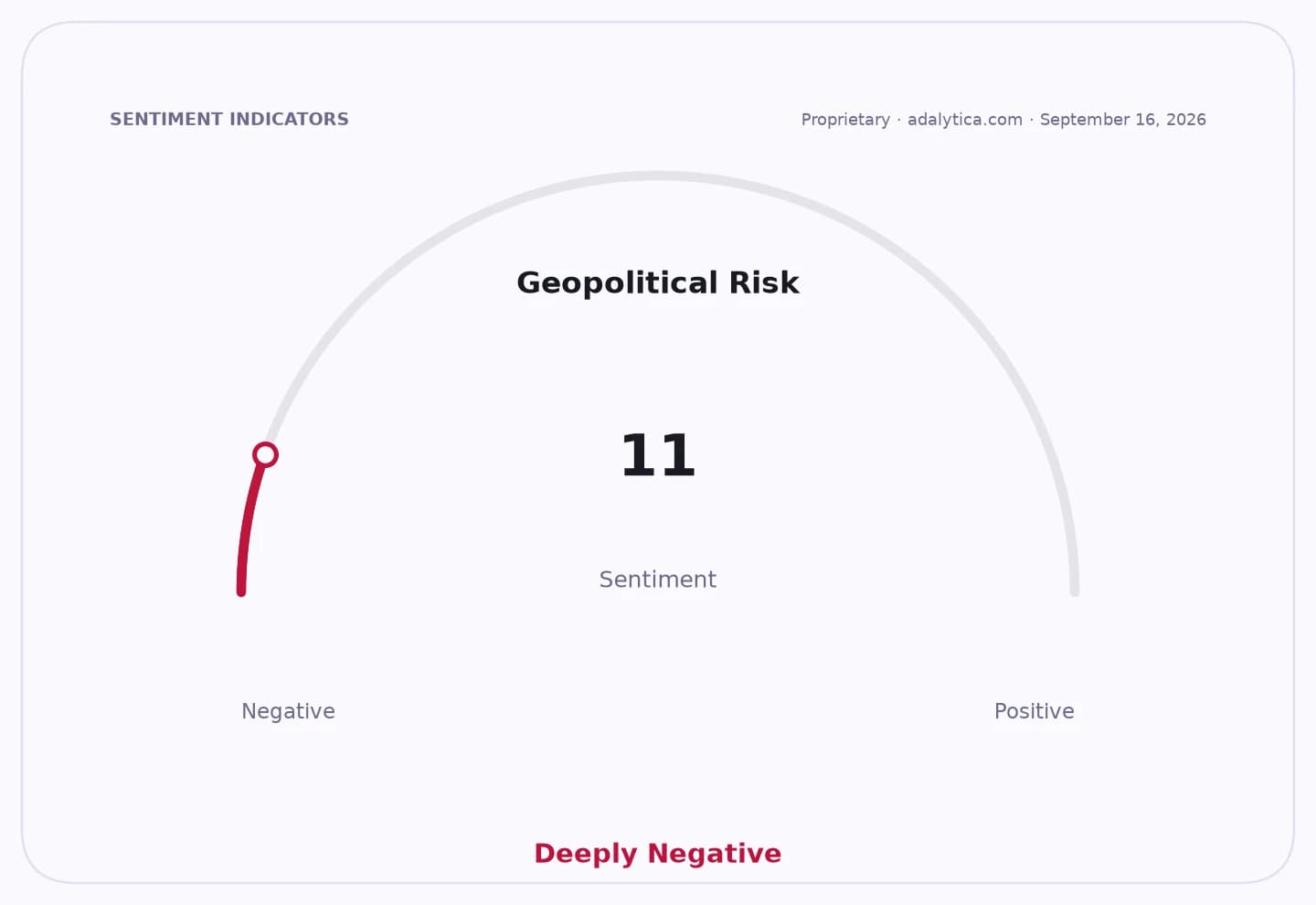
That matters economically because tires are not a discretionary buy. They are a critical vehicle-safety component, and when supply chains are stretched or politicized, costs can rise quickly for consumers and manufacturers alike. The latest backdrop is not reassuring: U.S.-China relations remain fragile, global stability indicators are flashing extreme fear, and tire makers are still navigating tariffs, import fees and a competitive market that pushes prices down even as compliance and quality demands rise.
For investors, that combination cuts both ways. Companies with strong brands, distribution networks and North American manufacturing can defend margins better than import-heavy rivals. Goodyear, whose shares have been volatile and are trading well below their 2026 highs, has seen its stock slump to about $5.16 from more than $9 earlier this year, a reminder that the sector remains highly sensitive to pricing pressure and demand swings. Technical readings on the stock also show weak momentum, with its 50-day moving average above the share price and RSI deep in oversold territory, underscoring how little room there is for disappointment.
The safety issue is the one investors and consumers should not ignore. Recent headlines about tire failures, vehicle recalls and pressure-monitoring problems reinforce a simple truth: tires are a quality business, not just a commodity business. If imported winter tires fail certification, wear unevenly in cold weather, or face scrutiny from regulators, the apparent savings can disappear in warranty costs, recalls and reputational damage. That is why established manufacturers spend heavily on testing, sourcing and quality control — costs that often justify a premium.
At the same time, geopolitical risk can change the economics overnight. Tariffs, retaliatory levies and import surcharges can squeeze importers while helping domestic producers that can localize production. That creates a potentially durable advantage for manufacturers with manufacturing footprints closer to end markets. It also means buyers who chase the cheapest imported tire today may face shortages or higher prices when policy shifts.
The long-term investing lesson is straightforward: in a market like this, cheap is not always cheap. The best tire businesses are the ones that can balance safety, supply resilience and pricing power through a cycle. For consumers, that means looking beyond the label and buying from trusted brands and retailers. For investors, it means favoring companies with scale, mix, and manufacturing flexibility over those dependent on vulnerable import channels. Worth watching — and worth treating as a quality-first industry, not a race to the bottom.
| Entity | Gains | Losses |
|---|---|---|
| Domestic tire makers | ▲Better pricing power | ▼Less import competition |
| China-based importers | ▲Lower production cost | ▼Tariff and safety risk |
| Consumers | ▲Lower upfront prices | ▼Higher recall or failure risk |
| Goodyear and peers | ▲Brand and quality advantage | ▼Volume pressure from cheap imports |