Google’s Pixel 10 is being sold on Amazon in India at a steep discount, underscoring how handset makers and retailers are leaning harder on price cuts, bank offers and exchange bonuses to move expensive flagship phones in a market where buyers are becoming more cost-sensitive.
Google Pixel 10 gets Amazon discount in India
The 12GB RAM, 256GB storage Pixel 10, which launched at 79,999 rupees, is listed at 67,400 rupees, a flat reduction of 12,599 rupees. Amazon says selected credit cards can trim a further 1,685 rupees off the bill, while exchange offers can lift total savings as high as 36,000 rupees depending on the old device surrendered. For buyers unable to pay upfront, EMI plans start at 2,370 rupees a month.
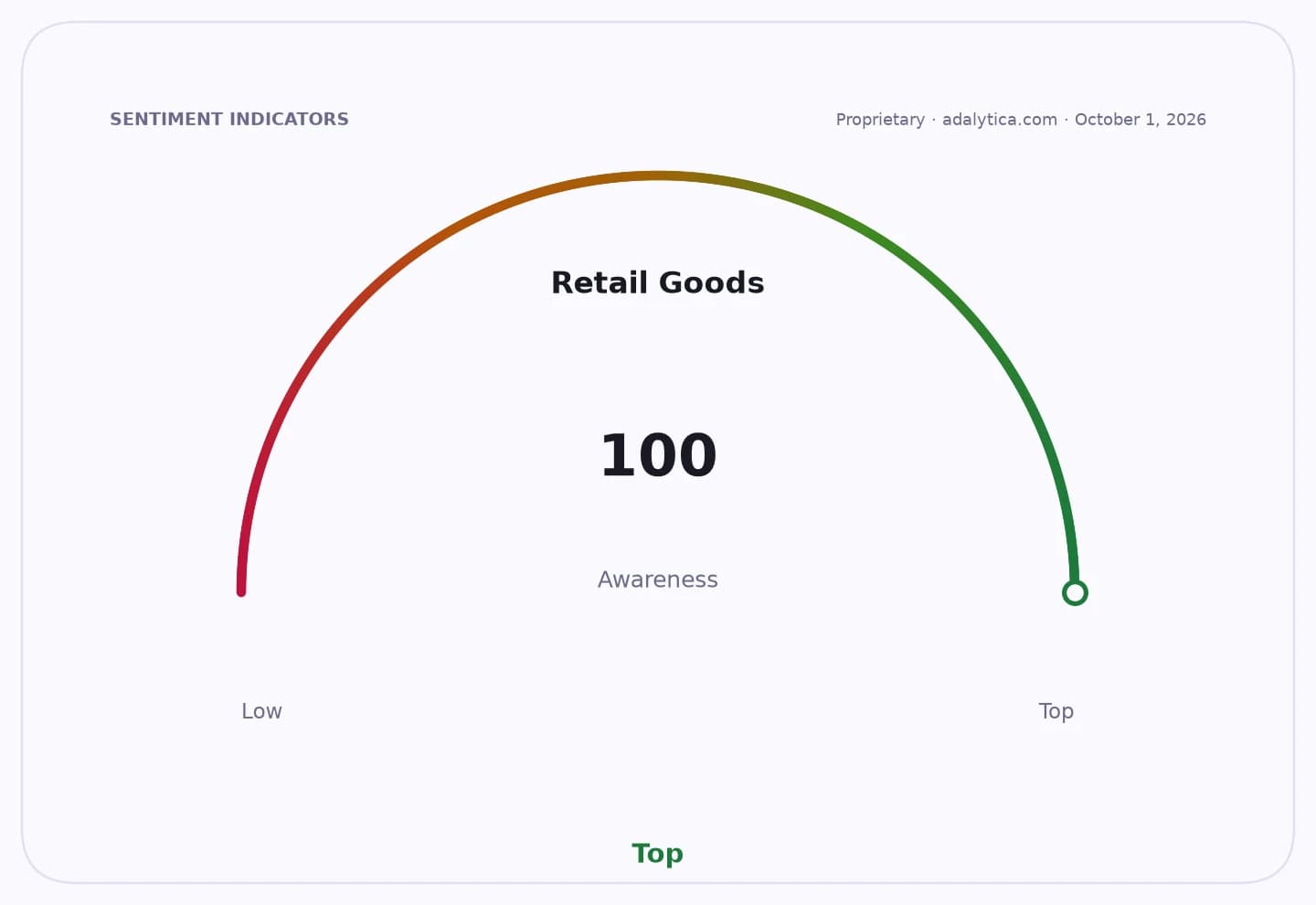
Sentiment IndicatorsⓘProprietary · adalytica.com · September 28, 2026
This is a snapshot — live sentiment, awareness and momentum for 130+ markets update continuously in the dashboard.Open AlphaPulse
The promotion matters because premium smartphones are increasingly sold less on sticker price and more on the effective price after discounts, financing and trade-ins. That is particularly relevant in India, where flagships from Apple, Samsung and Google compete in a tightly contested upper-end segment and where demand can be sensitive to monthly installments rather than outright list prices. A smaller effective price also broadens the addressable market for a device such as the Pixel 10, which is pitched on AI features, camera quality and software polish rather than raw hardware value alone.
For Google, the discounting highlights the challenge of sustaining premium positioning while trying to expand share in a market dominated by larger Android rivals and still led by Apple at the high end. The Pixel 10’s Tensor G5 chip, 120Hz display, 4,970mAh battery and triple-camera setup give it a clear flagship spec sheet, but the Amazon offer suggests retail partners are willing to sacrifice margin to stimulate demand. That is a common trade-off in smartphones when launch buzz fades and inventory needs to move.
The strategy can work in Google’s favor if it converts aspirational buyers who were waiting for a better entry point. But heavy promotions can also train consumers to delay purchases until discounts appear, pressuring pricing power across the premium tier. Investors tracking the broader smartphone complex should see the deal as another sign that even high-end devices are no longer immune to the consumer’s hunt for value.
For the sector, the bigger takeaway is that premium-phone growth increasingly depends on affordability engineering — not just product upgrades. If discounts deepen further, handset makers may protect units shipped at the expense of gross margins; if they hold pricing, they risk slower sell-through. The Pixel 10 offer shows how thin that balance has become.
| Entity | Gains | Losses |
|---|---|---|
| Amazon | ▲Higher traffic | ▼Lower handset margin |
| Google Pixel 10 buyers | ▲Lower effective price | ▼Wait-and-see buyers |
| ▲Wider adoption potential | ▼Pricing power | |
| Premium Android rivals | ▲Competitive pressure eases for shoppers | ▼Margin pressure if discounting spreads |