Google Tensor G6 Heads for TSMC 3nm
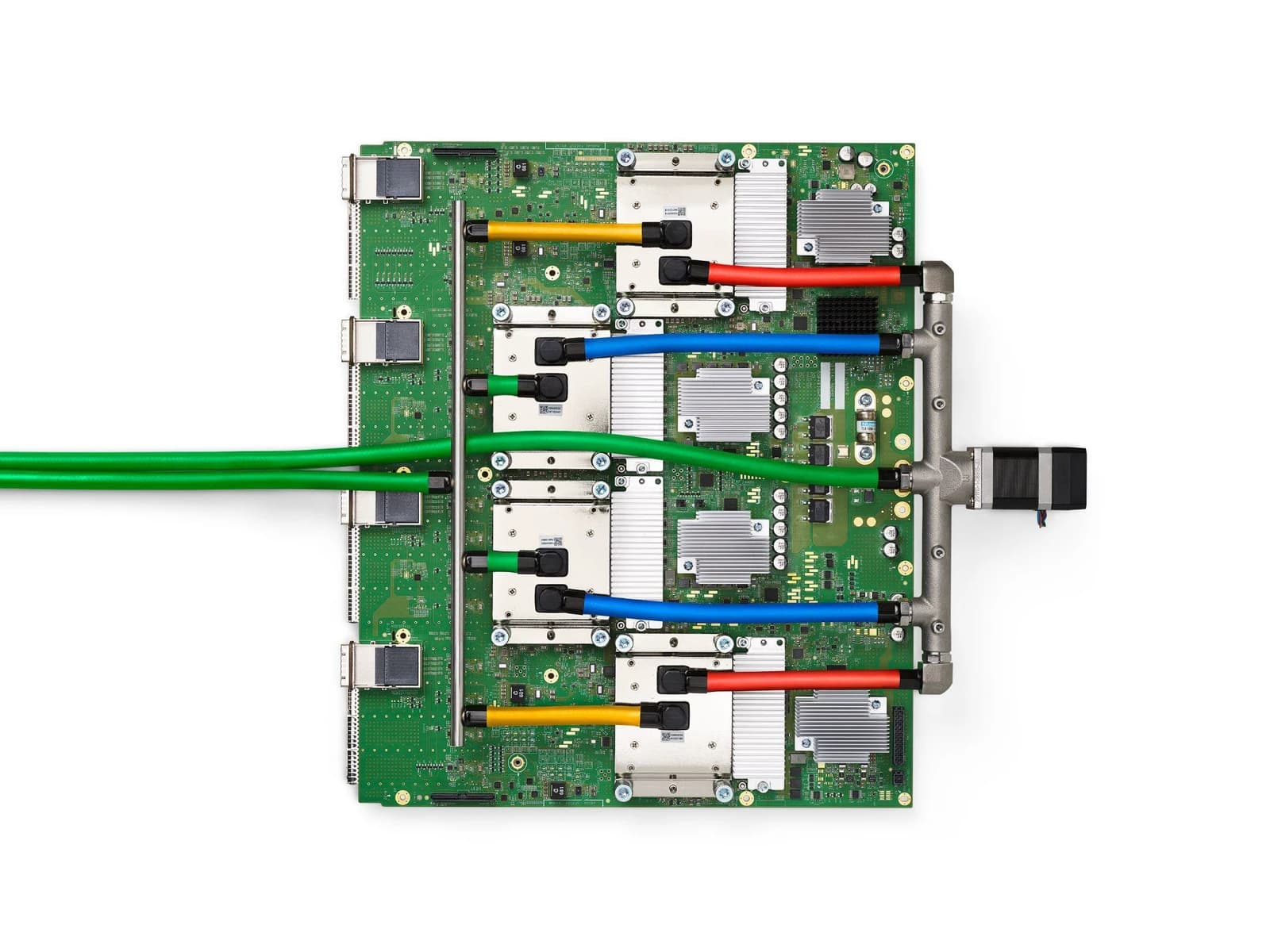
Google’s new Tensor G6 appears to be headed for TSMC’s 3nm manufacturing process rather than the more advanced 2nm node that rumors had suggested, a reminder that in semiconductors, execution and yield still matter more than marketing buzz.
For investors, that distinction matters because the move says as much about Google’s priorities as it does about TSMC’s business. A 3nm design can still deliver meaningful gains in performance and power efficiency for the Pixel line, while avoiding the higher costs, tighter supply constraints and manufacturing risk that come with bleeding-edge 2nm production. In other words, Google is choosing a practical path that can support product quality and margins instead of chasing the most headline-grabbing node.
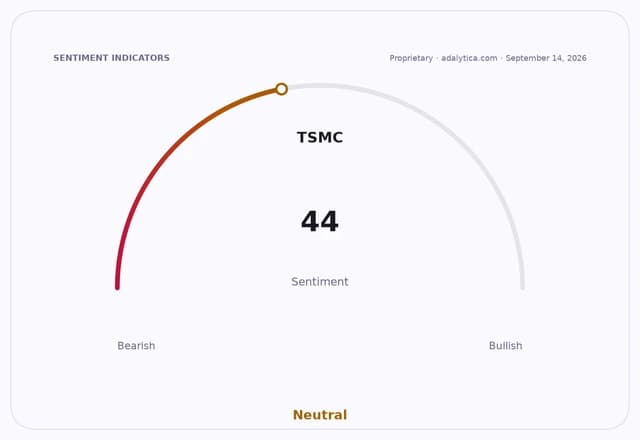
That is good news for TSMC, which remains the manufacturing backbone for the world’s most demanding chip designers. TSMC’s August revenue rose 10.1% from July to NT$514.81 billion, underscoring continued demand for advanced wafers even as the industry debates how quickly the market can absorb 2nm capacity. The company’s shares have also shown they remain highly sensitive to any sign of sustained demand for leading-edge logic, with the stock recently trading near NT$418.45 after a year that has seen sharp swings as investors reprice the AI and smartphone chip cycle.
For Google, the real story is not whether Tensor G6 is 2nm or 3nm, but whether it can keep improving Pixel hardware enough to strengthen the ecosystem. Alphabet has been steadily pushing on-device AI features, camera performance and custom silicon to reduce dependence on rivals and make Pixels more compelling to users who increasingly expect premium phones to do more on-device, faster and with less battery drain. If Tensor G6 delivers those gains on 3nm, that is a perfectly respectable outcome — and often the better one for a product line that needs consistency more than bragging rights.
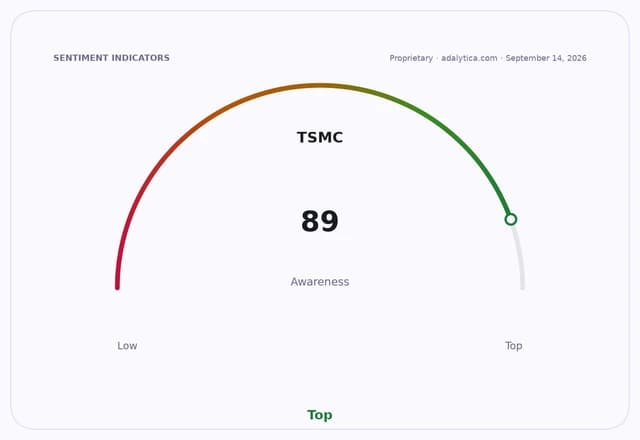
The broader lesson for investors is familiar: the semiconductor race is not just about “smallest node wins.” It is about who can convert advanced manufacturing into durable product advantages, healthy gross margins and recurring demand. TSMC benefits whenever leading chipmakers choose its advanced process technologies, while Google benefits if its custom silicon helps differentiate Pixel in a crowded market without blowing up costs.
Long term, that makes both names worth watching. TSMC remains one of the cleanest ways to own the global need for leading-edge chips, while Alphabet’s hardware strategy still has room to compound if it can turn custom silicon into a sticky ecosystem advantage. For investors with a multi-year horizon, the practical takeaway is simple: the Tensor G6 story is less about a missed 2nm milestone and more about a disciplined 3nm strategy that keeps Google in the advanced-chip race.
| Entity | Gains | Losses |
|---|---|---|
| TSMC | ▲Steady advanced-node demand | ▼Fewer 2nm bragging rights |
| ▲Better cost control, lower risk | ▼Some headline hype | |
| Pixel buyers | ▲Efficient, likely reliable phones | ▼Less cutting-edge marketing |
| Chip rivals | ▲Clearer benchmark to chase | ▼Pressure to match Google’s pace |