Greece air defense buy boosts Israel suppliers
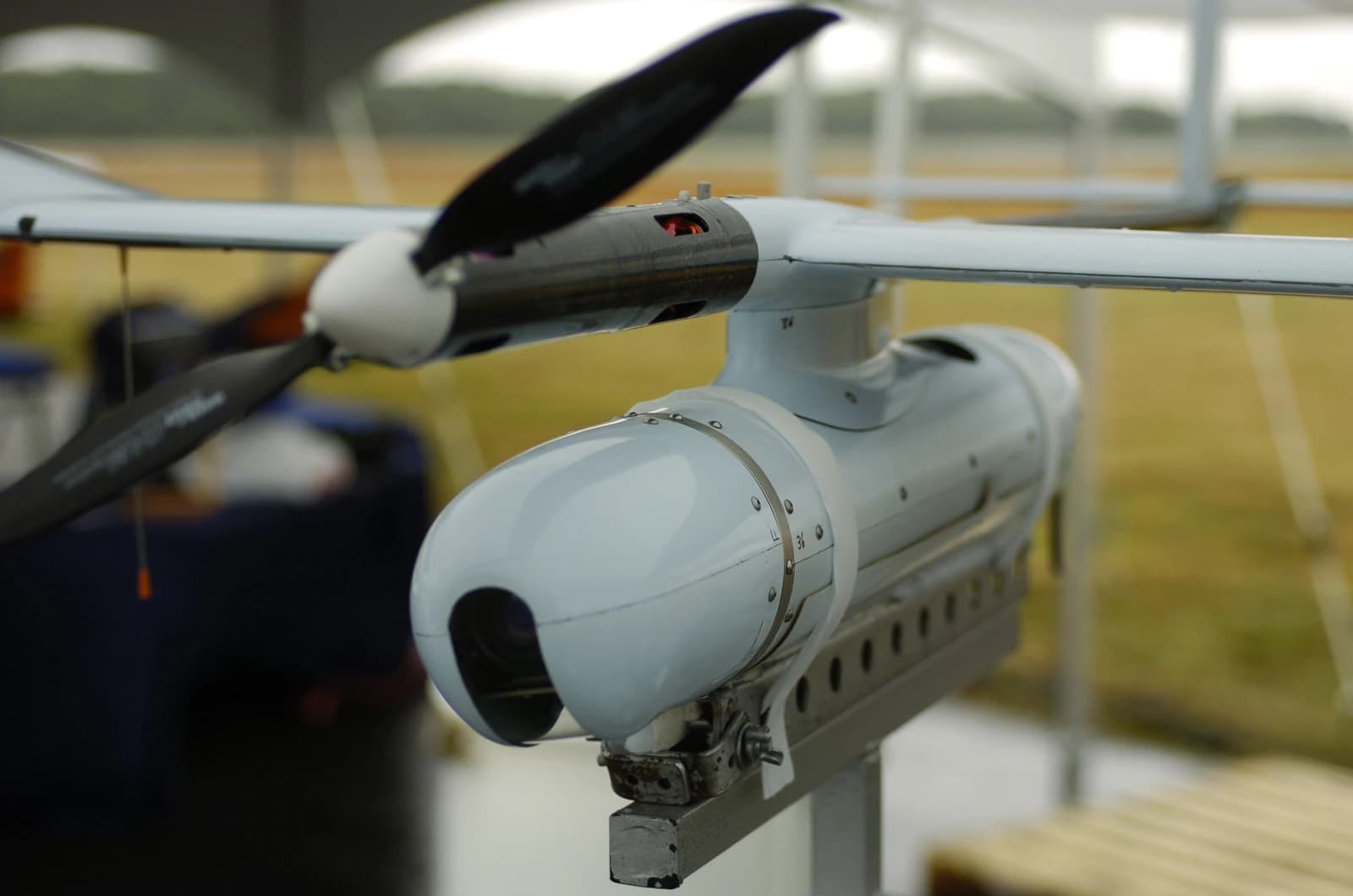
Greece’s push to buy Israeli battle-tested air-defense technology is changing the military balance in the Aegean and helping explain why Recep Tayyip Erdoğan is escalating his rhetoric over the islands now.
The most important development is not the familiar dispute over demilitarization. It is Athens’ move to build a layered, integrated shield around the “Achilles’ Shield” program, a roughly 3 billion euro deal that includes David’s Sling, SPYDER, BARAK MX, Drone Dome systems, radar and a unified command network. For investors, that matters because it turns Greece from a buyer of standalone weapons into a participant in a wider Israeli defense ecosystem that has already been proven under live missile attack conditions.
That shift has economic and strategic weight. A country that can absorb the cost of air defense, anti-ballistic systems, anti-drone protection and long-range precision fire is no longer just defending territory; it is raising the expected cost of any future coercion. That is precisely the kind of deterrence Athens says it wants. Defense Minister Nikos Dendias has framed the new shield as a way to free up F-35s, upgraded F-16s and new frigates for broader deterrent roles rather than point defense.
The broader rearmament cycle is large enough to matter to markets. Greece is pursuing about 28 billion euros of defense spending through 2036, with Israeli systems, F-35s, Rafale jets, Belharra frigates, drones and precision missile launchers all part of the mix. That is a multi-year procurement tailwind for suppliers, integrators and maintenance providers, and it deepens industrial and operational ties between Greece and Israel at a moment when regional security demand is rising.
For investors, the clearest beneficiaries are the defense primes and their supply chains. Kerosene prices may dominate headline risk in the Eastern Mediterranean, but the real trade is in the companies selling sensors, command-and-control, missile defense, unmanned systems and fleet upgrades. Kratos Defense & Security Solutions, RTX and Lockheed Martin all sit in the broader air-defense and aerospace upgrade complex, though the most direct commercial exposure remains with Israeli and European suppliers tied to the Greek procurement pipeline. The market often prices these regional deals as episodic; in reality, they can become durable revenue streams once training, interoperability, software updates and sustainment are included.
Erdoğan’s response makes sense in that context. Turkey is not reacting only to islands or troop counts. It is reacting to a Greece that is becoming more lethal, more networked and more interoperable with Israel at the exact moment the region has watched Israeli systems perform against ballistic and missile threats. That changes the psychology of deterrence in the Eastern Mediterranean and raises the risk premium on any escalation.
The investment takeaway is straightforward: the market underestimates the second-order winners of the Eastern Mediterranean rearmament cycle. The opportunity is not just in the headline names, but in the picks-and-shovels of air defense, drones, sensors, missile interception and command software. If Greece keeps executing on this roadmap, the defense buildout becomes a multi-year catalyst, not a one-off order.
| Entity | Gains | Losses |
|---|---|---|
| Israeli defense suppliers | ▲New export demand | ▼None on this deal |
| Greek defense contractors/integrators | ▲Multi-year procurement flow | ▼Dependence on foreign tech |
| RTX, LMT, KTOS | ▲Sector rerating from NATO rearmament | ▼Near-term volatility in broader risk-off trading |
| Turkey | ▲None from Greece’s buildup | ▼Deterrence leverage over the Aegean |