Greece Eases Permits for Rooftop and Balcony Solar
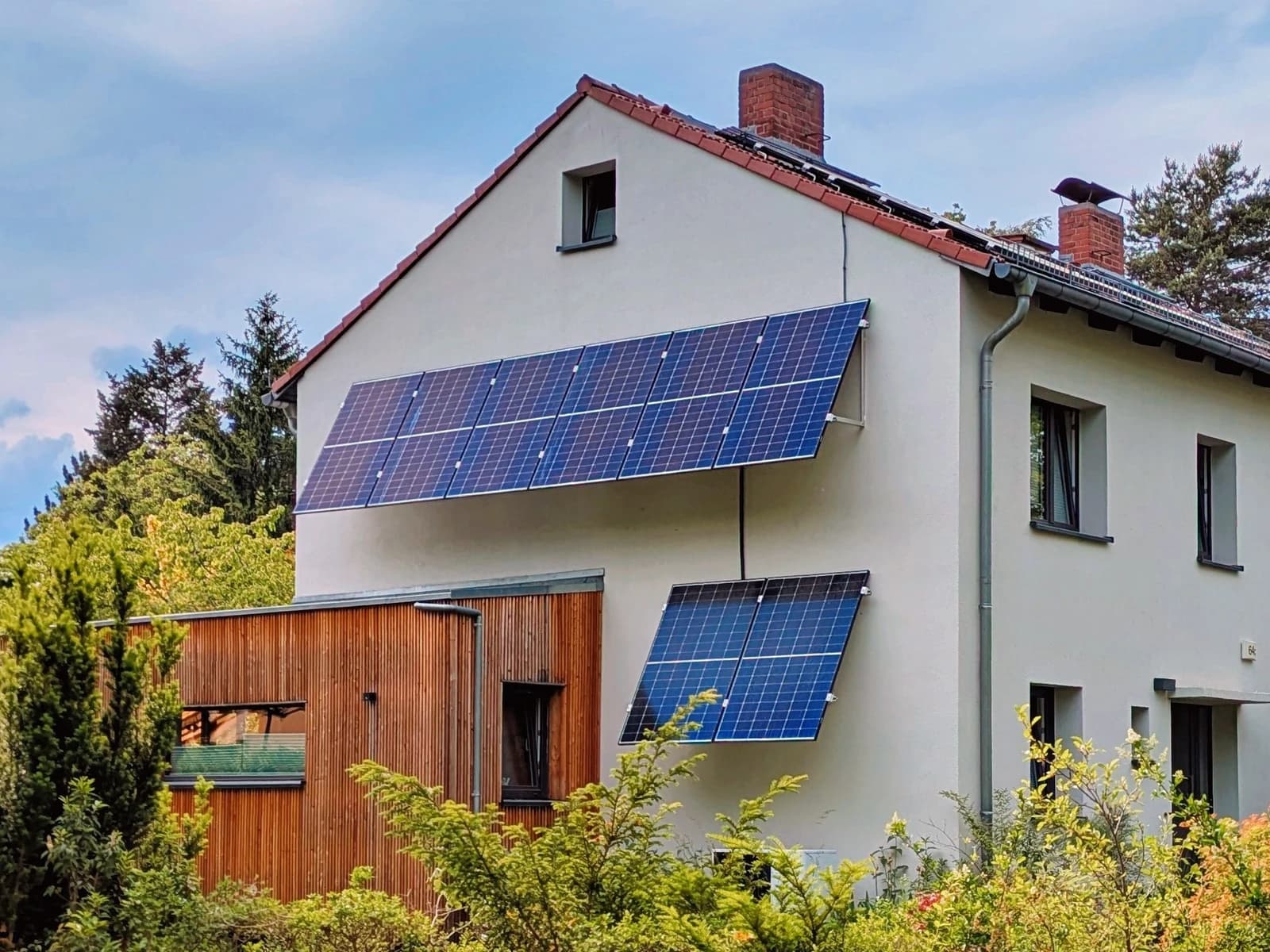
Greece has moved to remove a major bureaucratic hurdle to household solar, a shift that could speed rooftop and balcony installations and deepen the push toward self-consumption at a time when electricity costs remain politically and economically sensitive.
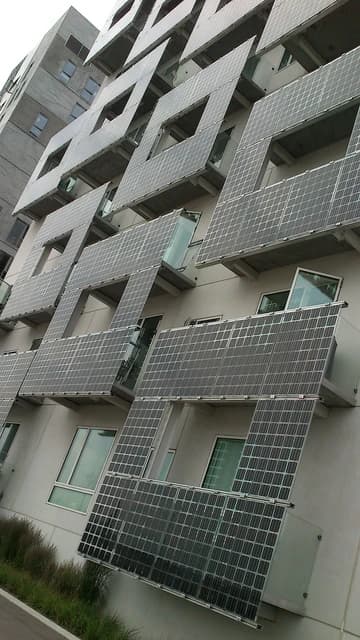
The new Energy Ministry decision simplifies and accelerates the permitting and operating process for small generators, with or without batteries, and creates an online notification route for “balcony solar” systems with plug-in connectors and up to 800 watts of maximum injection. For households, apartment blocks and some public bodies, that means the economics of solar are becoming less about navigating paperwork and more about how quickly users can offset power drawn from the grid.
That matters because the case for distributed solar is being reinforced by the wider European power market. Ember data cited in the Greek report showed solar generation across the European Union reached a record 52 terawatt hours in June, accounting for 25% of electricity output, while Greece’s own solar share reached 31.6% of domestic generation that month, rising to about 34% when non-interconnected islands are included. In the first half, solar covered 21% of Greek output, or 25.1% including islands. The backdrop is still high power costs linked to natural gas prices, which makes every kilowatt-hour self-generated at home or on a balcony a direct hedge against bills.
For investors, the policy is important less because of the size of any single installation than because it broadens the addressable market for residential solar, storage and related services. Greece is effectively shifting from a niche rooftop market toward a mass-market self-consumption regime, with clearer rules for netting, billing, surplus compensation and third-party participation. That could support volumes for local installers and improve demand visibility for equipment suppliers, while also potentially reducing the policy risk premium attached to residential solar adoption.
The decision also arrives as the solar sector globally remains highly sensitive to subsidy design, interconnection rules and the pace of permitting. U.S.-listed solar names have reflected that volatility. Enphase Energy has fallen to about $34.76 from a 2026 peak above $72, while SolarEdge has slipped to roughly $35.61 after trading above $78 in June. Sunrun, which is more exposed to financing and policy support for residential energy systems, has dropped to around $8.79 from above $20 earlier this year. Those moves underscore how quickly investor sentiment can shift when policy improves or deteriorates.
In Greece, the new framework lowers friction in several ways: it replaces some tripartite agreements with bilateral ones, clarifies that residential-use accounts can qualify regardless of whether the customer is a natural or legal person, extends collective self-consumption to housing complexes, and sets clearer settlement rules for excess generation. It also allows battery systems for self-consumption, including zero-feed-in setups, and provides for online registration of very small solar devices.
The bullish case is that easier rules will unlock latent demand from households facing stubborn power bills and from apartment dwellers who previously lacked a practical route into solar ownership. The bear case is that adoption still depends on upfront costs, grid connection timelines, and whether consumers fully understand the savings. The government will also need to keep enforcement and billing procedures smooth if the reform is to translate into installations rather than just legal clarity.
For investors, the key catalyst now is execution: how quickly the ministry, grid operators and suppliers turn a cleaner rulebook into visible deployment. If the process works as intended, Greece could become a template for how southern European markets use distributed solar to contain household electricity costs while supporting demand for inverters, batteries and installation services.
| Entity | Gains | Losses |
|---|---|---|
| Greek households | ▲Lower electricity bills | ▼Permitting friction |
| Balcony and rooftop solar installers | ▲Higher demand | ▼Slower sales without reform |
| Solar equipment suppliers | ▲Larger residential market | ▼Policy uncertainty |
| Grid utilities and incumbent suppliers | ▲More orderly rules | ▼Some power sales volume |