Greece Raises Eastern Mediterranean Security Risks
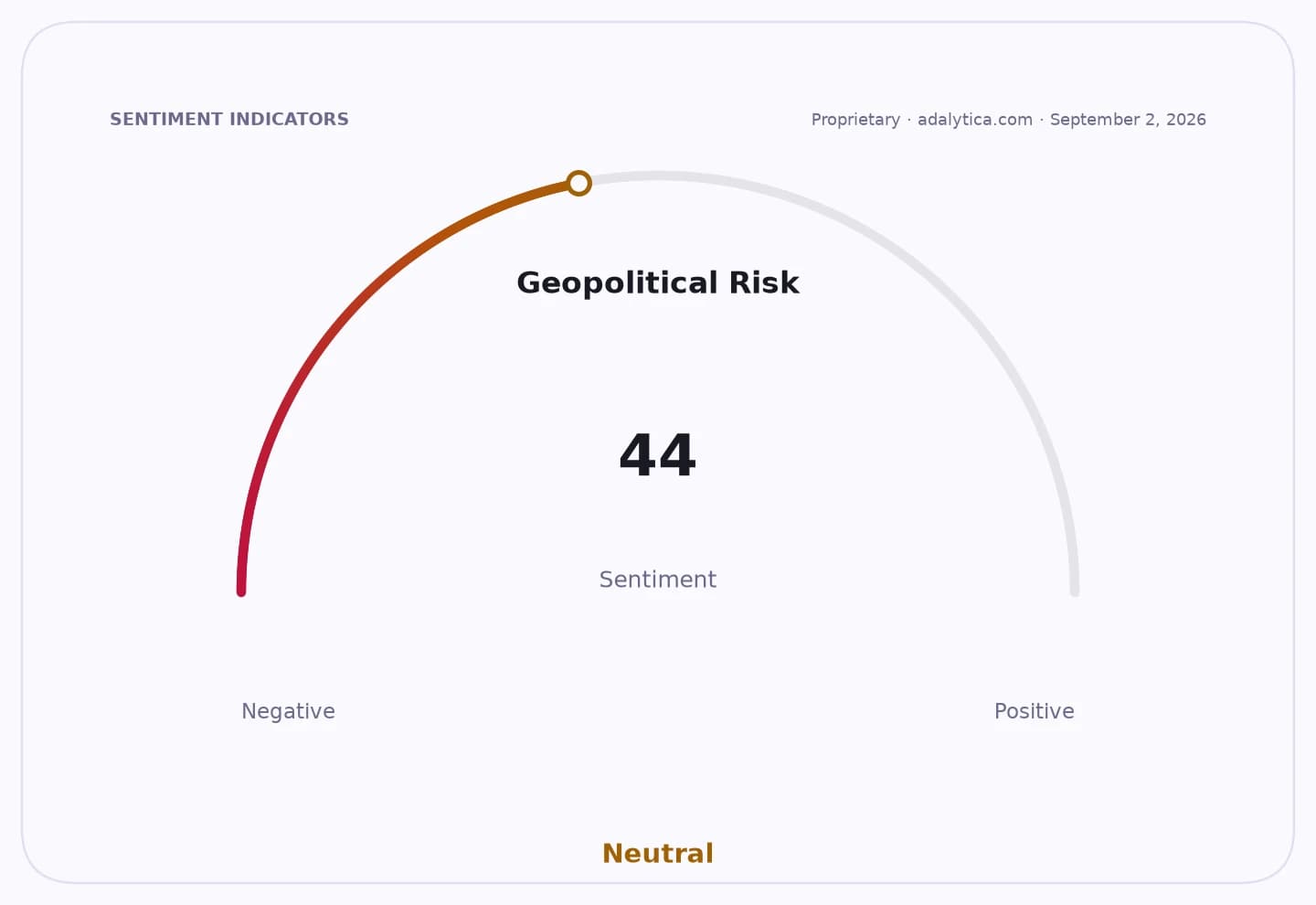
The immediate economic issue is not a market move but the risk premium: Athens is pushing the European Union to treat the Eastern Mediterranean and Aegean as a live security and energy corridor, where maritime incidents, border disputes and naval friction can still ripple into shipping costs, investment decisions and regional asset prices.
Greek Foreign Minister George Gerapetritis used the Gymnich meeting to update EU counterparts on developments in the Eastern Mediterranean and the Aegean, underscoring how closely diplomacy, defense and energy security are now intertwined. That matters because the area sits on a fault line linking Greece, Cyprus and Turkey, with spillovers into migration, maritime access, offshore exploration and the wider European effort to diversify supply routes away from more unstable regions.
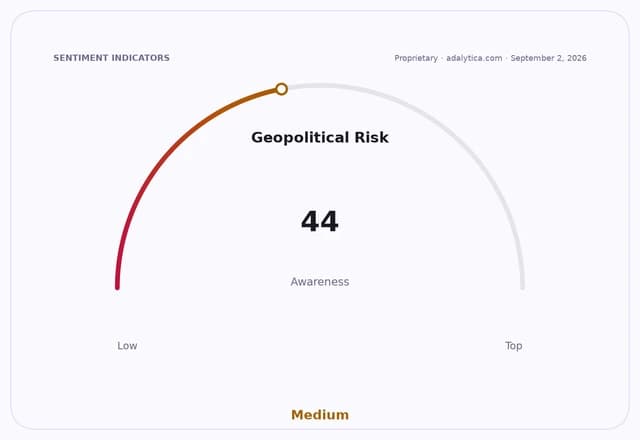
The geopolitical backdrop has become more sensitive rather than less. A ferry capsizing off Northern Cyprus recently highlighted how quickly incidents in the Mediterranean can sharpen tensions in an already contested maritime space. At the same time, TotalEnergies’ approval of the Cronos gas field in Cyprus to supply Europe with LNG shows that the region is not just a security concern but also a strategic energy basin. Any deterioration in relations around the Aegean or Cyprus can complicate permitting, raise insurance and logistics costs, and slow the commercialization of new gas infrastructure.
For investors, the message is that Eastern Mediterranean stability remains a prerequisite for monetizing regional energy and transport assets. That is relevant for European gas buyers, offshore contractors, shipping interests and companies with exposure to the wider Mediterranean corridor. The latest tone is also consistent with a market that is discounting some geopolitical stress but not eliminating it: EWW, the Mexico ETF, has been trading near recent highs, while broader risk sentiment has softened, suggesting capital is still selective about where it takes on geopolitical exposure. Energy-linked names with Mediterranean footprints, including major operators such as Chevron and Exxon Mobil, remain sensitive to any escalation that could affect project timelines or operating conditions.
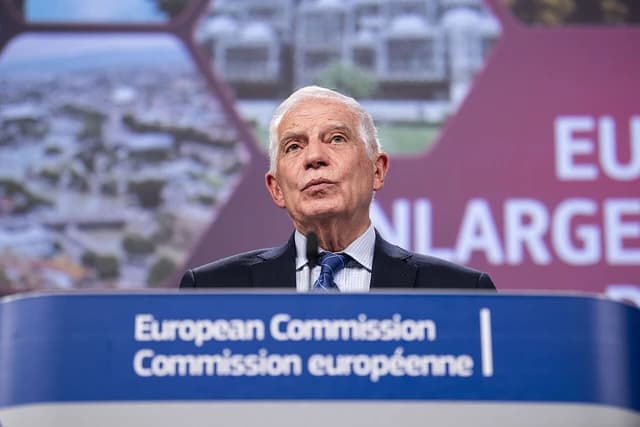
The bull case is that repeated EU engagement helps contain the risk and preserves the investment case for Cyprus-linked gas development and sea-lane commerce. The bear case is that unresolved sovereignty disputes, maritime incidents or a sharper deterioration in Greek-Turkish relations could force another repricing of the region’s geopolitical premium, with knock-on effects for LNG supply plans, defense spending and shipping routes.
For now, Gerapetritis’ message from Gymnich suggests Brussels is being asked to view the Eastern Mediterranean less as a peripheral diplomatic file than as a strategic piece of Europe’s energy and security architecture. That framing matters because the region’s assets only become more valuable if the political map around them stays manageable.
| Entity | Gains | Losses |
|---|---|---|
| Greece and Cyprus | ▲EU backing on maritime security | ▼Higher costs if tensions escalate |
| EU energy buyers | ▲Potential LNG diversification | ▼Supply delays from instability |
| Offshore developers | ▲Clarity on strategic projects | ▼Permitting risk from disputes |
| Turkey and regional hardliners | ▲— | ▼More EU scrutiny and pressure |