Greece inflation rises to 3.7% in August
Inflation in the euro area climbed again in August, with Greece posting one of the bloc’s sharpest readings, underscoring how energy and service costs are keeping price pressures alive even as food inflation stays contained.
The move matters because it complicates the European Central Bank’s path after a period of easing price momentum. A broad-based renewal of inflation, led by fuel, energy and travel-related services, can keep policy rates higher for longer and delay the point at which consumers and businesses feel relief in borrowing costs. For markets, that means renewed scrutiny of rate-cut expectations, bond yields and sector rotation across energy, travel, transport and consumer names.
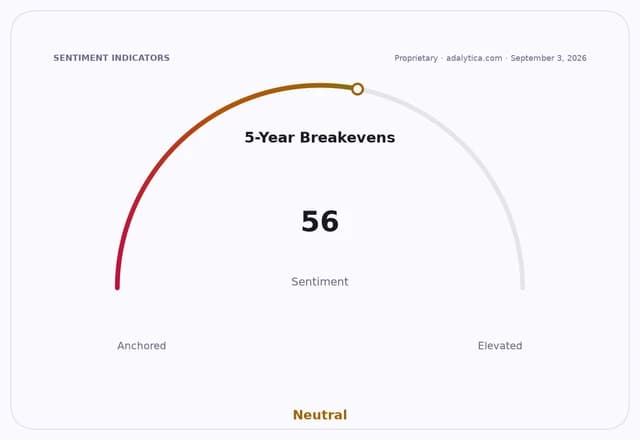
In Greece, harmonised consumer prices rose 3.7% from a year earlier in August, up from 2.7% in July, according to Eurostat estimates. On a monthly basis, prices increased 0.4%. The Greek reading was the sixth-highest in the euro area, where inflation accelerated to 3.3% from 2.9% in July.
Energy was the main driver. Prices of energy products in Greece jumped 15.3% year on year in August, despite subsidies, and rose 1.9% from July. Across the euro area, energy inflation reached 14.3% after 10.3% in July, reflecting how oil and fuel costs have re-entered the inflation debate after earlier easing. The move is particularly relevant for economies such as Greece, where tourism and transport make household budgets more sensitive to summer fuel and travel costs.
Services also added to the pressure. Greek services inflation accelerated to 4.6% from 3.1% in July, a rise linked to seasonal demand during the summer tourism peak. In the euro area, services inflation eased to 3% from 3.3%, but remains high enough to keep underlying inflation sticky. That gap matters for the ECB because services are typically more persistent than energy and often reflect wage and domestic-demand pressures.
Food prices were notably subdued. The food, alcohol and tobacco group rose just 0.2% in Greece from a year earlier and slipped 0.2% from July, suggesting the recent informal freeze on prices held through July and August and that a mild summer limited volatility in fruit and vegetable prices. Non-energy industrial goods rose 1% annually, a modest increase that points to contained goods inflation for now.
For investors, the key question is whether the August jump is a one-off energy shock or the start of a more durable rebound in headline inflation. Bullish energy investors may see support for oil-linked shares and commodity exposure if fuel costs stay elevated. Bond investors, by contrast, face the risk that sticky services inflation keeps real yields under pressure and narrows the scope for near-term easing. Consumer-sensitive sectors such as airlines, logistics and discretionary retail remain exposed if higher fuel and service costs begin to filter through to demand.
The next test will be whether September data confirm that inflation is broadening beyond energy or whether food and goods remain subdued enough to offset the summer spike. If energy prices stay elevated, the ECB may have to tolerate a longer period of above-target inflation even as growth remains uneven across the bloc.
| Entity | Gains | Losses |
|---|---|---|
| Energy producers | ▲Higher pricing power | ▼Consumers’ purchasing power |
| ECB hawks | ▲Stronger case for caution | ▼Rate-cut advocates |
| Oil-linked equities | ▲Support from higher crude prices | ▼Fuel-intensive industries |
| Households in Greece | ▲Stable food prices | ▼Higher transport and utility bills |