Greece Short-Term Rental Rules Face Supply Critique
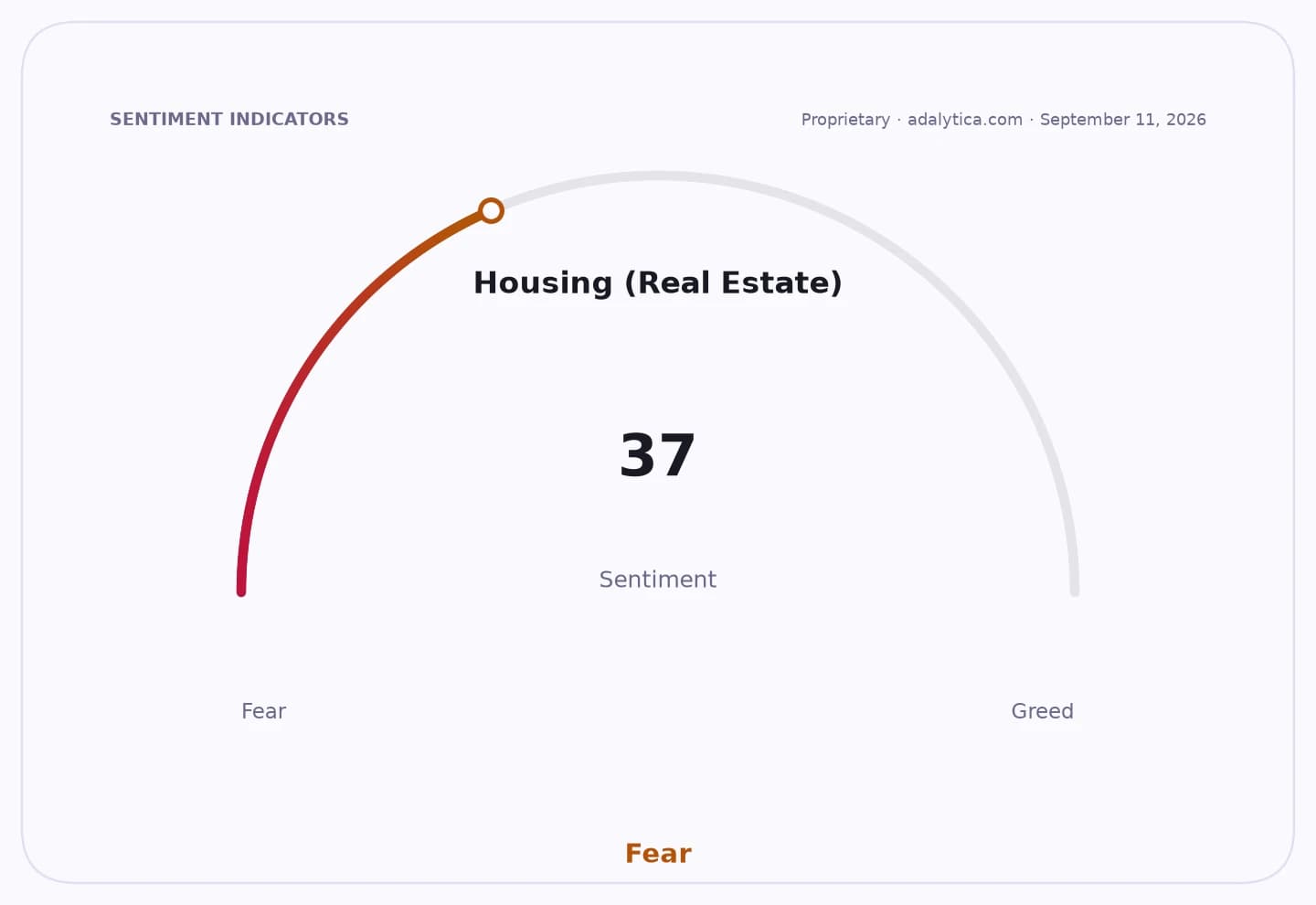
Greece’s push for tighter rules on short-term rentals may satisfy angry voters, but it is unlikely to deliver the thing policymakers want most: more homes that ordinary people can actually rent.
That is the core warning from STAMA Greece, the country’s short-term rental association, as Europe steps up its debate over affordable housing. The group’s argument matters because it goes to the heart of a policy fight investors across the housing market have been watching closely: whether blaming Airbnb-style rentals can meaningfully ease shortages, or whether it simply shifts economic pain onto owners, small businesses and local communities without expanding supply.
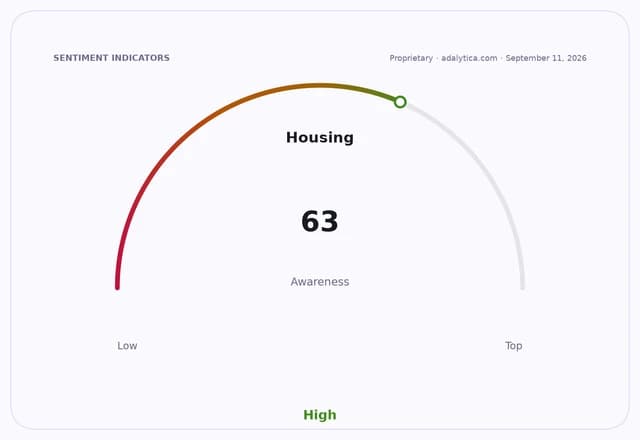
The bigger economic issue is supply, not just allocation. STAMA points to European Commission data showing housing prices in the EU have risen 60.5% since 2010, while rents are up 28.8%, and says the answer lies in putting more homes on the market through renovations, faster permitting, and new construction. That is a more expensive and slower fix than imposing caps on tourist lets, but it is also the one that addresses the actual bottleneck.
The association is making its case at an important moment. A new European Union rule on collecting and sharing short-term rental data took effect on May 20, 2026, but implementation is still incomplete and comparable data across the bloc is not yet available. STAMA wants those figures to be the basis for any further restrictions, arguing that governments should prove short-term rentals are materially worsening affordability in a specific area before moving ahead.
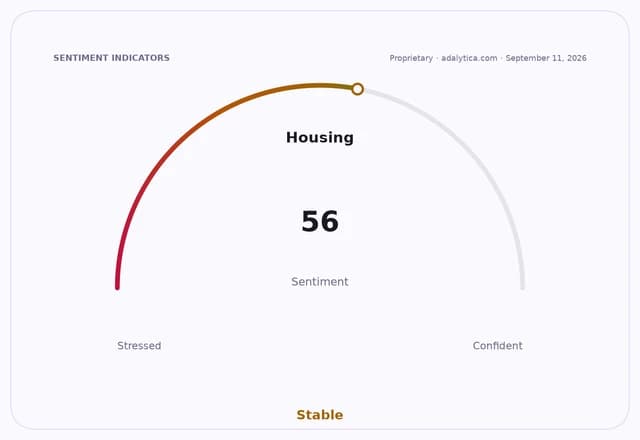
For investors, the distinction is crucial. If policymakers rely on blunt restrictions, the likely winners are long-term housing advocates and some local landlords with fewer short-let competitors. The losers could include hosts, small property managers, cleaning firms, maintenance businesses and tourism-dependent neighborhoods that have grown around the short-stay economy. STAMA says the sector represents only 1.2% of the EU’s conventional housing stock, much of it made up of primary homes rented occasionally or vacation properties that would not simply flow back into the long-term market.
The examples it cites are telling. In Barcelona, where new short-term rental licenses have been frozen since 2014, rents per square meter rose 72%, according to data the group cites from the European Holiday Home Association. In the French Basque Country, about 6,000 properties were removed from short-term rental use, but only 5% returned to the long-term market. That is the kind of evidence housing investors should care about: it suggests regulation can reduce inventory in one segment without solving the shortage in another.
There is also a broader macro cost. STAMA and the EHHA estimate that tighter rules could put 4,000 direct and indirect jobs at risk and wipe out 230.4 million euros in annual economic activity by 2026. Even if those figures prove high, they underline why housing policy has become an economic policy issue, not just a social one. Restrictions that fail to create new supply can still depress income, local spending and employment.
That is why the long-term investment takeaway is less about short-term rental legislation itself and more about the structural imbalance in housing. If Europe and Greece truly want lower rents, they need more empty homes converted into use, more renovations, faster approvals and more construction. Until that happens, curbing short-term rentals alone is likely to reshuffle demand rather than solve the shortage. For investors, that means watching policy closely, but still focusing on businesses with durable supply-side advantages and diversified exposure to housing demand over the next several years.
| Entity | Gains | Losses |
|---|---|---|
| Long-term tenants | ▲Potentially less competition | ▼Little relief if supply stays tight |
| Short-term rental hosts | ▲None | ▼Fewer listings and lower income |
| Local tourism businesses | ▲Stable visitor flow if rules are limited | ▼Less spending if rentals shrink |
| Property owners and managers | ▲Clearer rules if data-led | ▼Lower yields under blunt restrictions |