Greece supermarket prices fall 0.15% in August
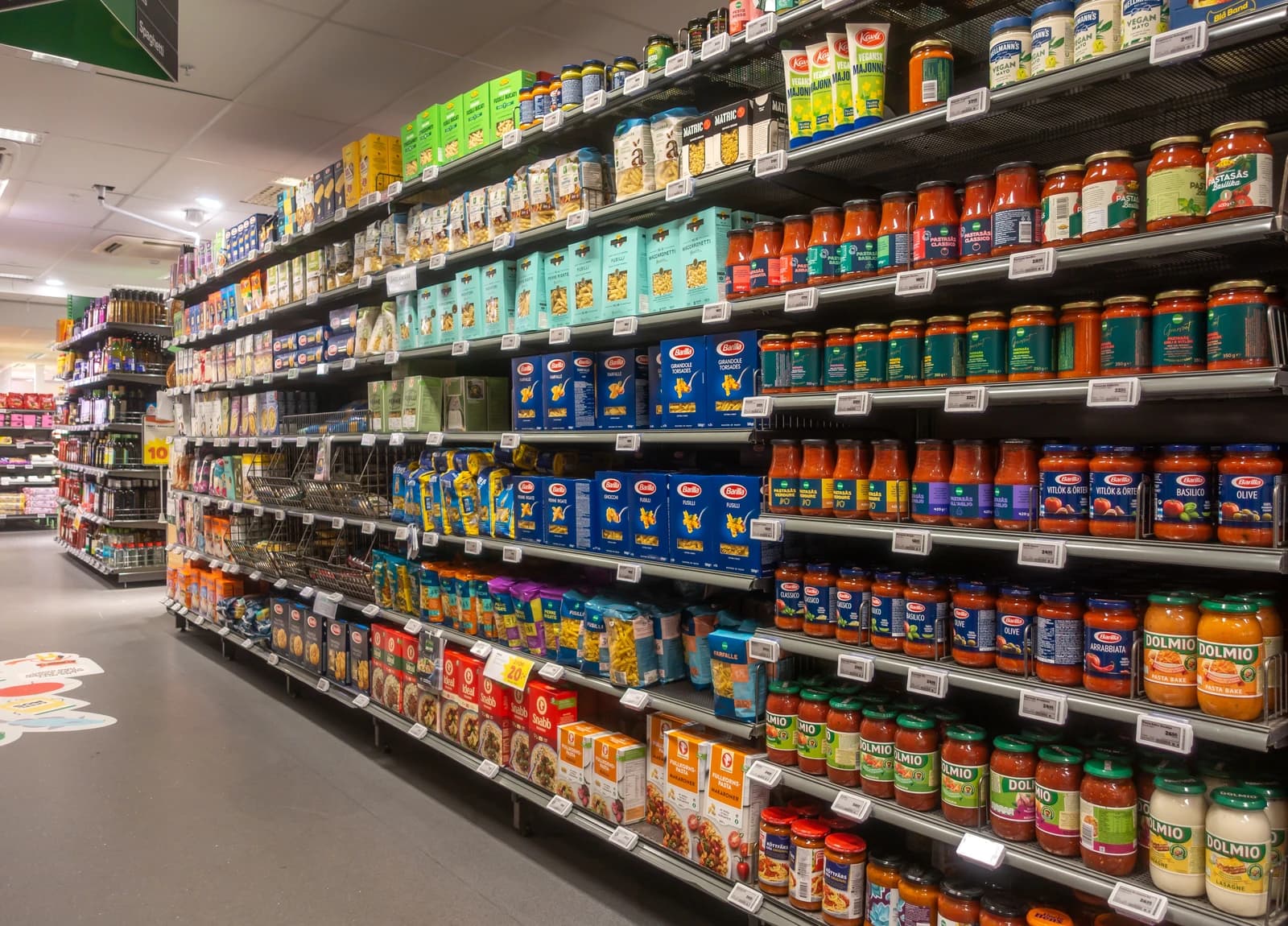
Supermarket prices in Greece slipped 0.15% in August from a year earlier, a small but important sign that food inflation is still being held in check even as households continue to face pressure from wages, energy and sticky prices in other parts of the economy.
The reading from the Hellenic Institute of Retail Consumer Goods Research, or IELKA, matters because groceries are one of the clearest gauges of day-to-day inflation for consumers. When supermarket chains are able to keep shelf prices broadly flat, it eases the squeeze on disposable income and can help preserve spending elsewhere in the economy. It also suggests that the battle against inflation is being won, at least for now, in the most visible part of the consumer basket.
The August decline followed a 0.28% increase from July, showing that prices are not falling in a straight line but are moving within a narrow band. Over the rolling 12 months through July, IELKA said supermarket prices were still up 1.22%, while the June-August summer quarter was marginally negative at minus 0.08%. That combination points to stability rather than a sharp deflationary turn.
The pressure points are uneven. Fresh fruit and vegetables posted the biggest annual drop, down 7.6%, helped by normalized market conditions and favorable weather. Fresh fish and seafood fell 1.07%, while meat prices eased as producer and import prices stabilized. At the same time, some packaged categories remained firm, including appetizers and deli items, cured meats, biscuits and chocolate, nuts, and water, soft drinks and juices, each rising more than 2% from a year earlier.
For investors, the message is not that food retailers are suddenly in a new growth cycle, but that margin discipline and mix management remain crucial. Large supermarket chains have been able to lean on scale, faster inventory turnover and private-label products to resist broad-based inflation. That is exactly the kind of operating leverage the market underestimates when it focuses only on headline price trends. In a low-inflation environment, the winners are the chains that can defend volume with promotions while keeping procurement, logistics and private-label execution tight.
That matters beyond Greece. Persistently soft grocery inflation supports consumer sentiment and can delay pressure for more aggressive policy action, while also favoring organized retail over fragmented local competitors. The next catalyst will be whether autumn demand, energy costs and agricultural pricing keep the current stability intact or start to re-accelerate selective categories. For now, IELKA’s data argues that the supermarket channel remains one of the economy’s strongest disinflation buffers — and that makes the best-positioned grocers worth owning.
| Entity | Gains | Losses |
|---|---|---|
| Greek consumers | ▲Lower grocery bills | ▼Less relief from other inflation |
| Large supermarket chains | ▲Stable volumes, scale advantage | ▼Pricing power in some categories |
| Private-label suppliers | ▲Higher shelf share | ▼Branded premium pricing |
| Smaller grocers | ▲Limited price flexibility | ▼Share to organized retail |