Greece SYRIZA-PS opposes Mitsotakis constitution push

SYRIZA-PS is drawing a harder line against Prime Minister Kyriakos Mitsotakis’ push to reshape Greece’s constitution, raising the political stakes around reforms that could affect public assets, regulation and the investment climate ahead of elections.
The opposition party’s parliamentary leader Rena Dourou said SYRIZA-PS “does not give a blank check to the government” after a debate in parliament on constitutional revision, accusing the ruling New Democracy party of using the process for campaign purposes and trying to “tailor” the constitution to conservative priorities.
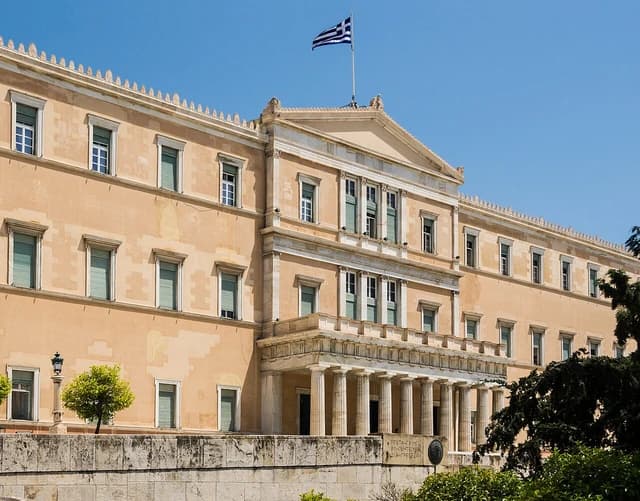
That matters economically because constitutional changes can influence how Greece treats public goods, state oversight and the legal limits on privatization or commercialization of services. Dourou said SYRIZA-PS and the left will fight in the next parliament for a constitution that acts as a barrier to the “commodification” of public goods, a message likely to resonate with voters wary of further market-oriented reforms.
For investors, the immediate issue is not a direct market event but policy durability. Greece has spent years rebuilding credibility after its debt crisis, and the current government has been widely associated with reform, fiscal discipline and a more business-friendly stance. A sharper confrontation over the constitution underscores that key institutional changes could become more contentious if the political balance shifts.

The remarks also highlight how the debate is being framed as a broader clash over the role of the state, the protection of public assets and the limits of executive power. That could matter for sectors tied to regulation, utilities, infrastructure and public services if constitutional language or follow-on legislation becomes a battleground in the next parliament.
The near-term catalyst is the political campaign itself, with the constitutional review now serving as an early test of whether Mitsotakis can keep momentum on reform or whether the opposition can turn institutional change into a referendum on privatization and governance.
| Entity | Gains | Losses |
|---|---|---|
| SYRIZA-PS | ▲Anti-privatization message | ▼Reform-friendly credibility |
| New Democracy government | ▲Agenda-setting on revision | ▼Political consensus |
| Public-sector defenders | ▲Stronger protections | ▼Commercialization push |
| Investors in regulated assets | ▲Clarity if reforms pass | ▼Policy uncertainty if stalled |