Greece VAT Cut Debate Over Prices and Inflation
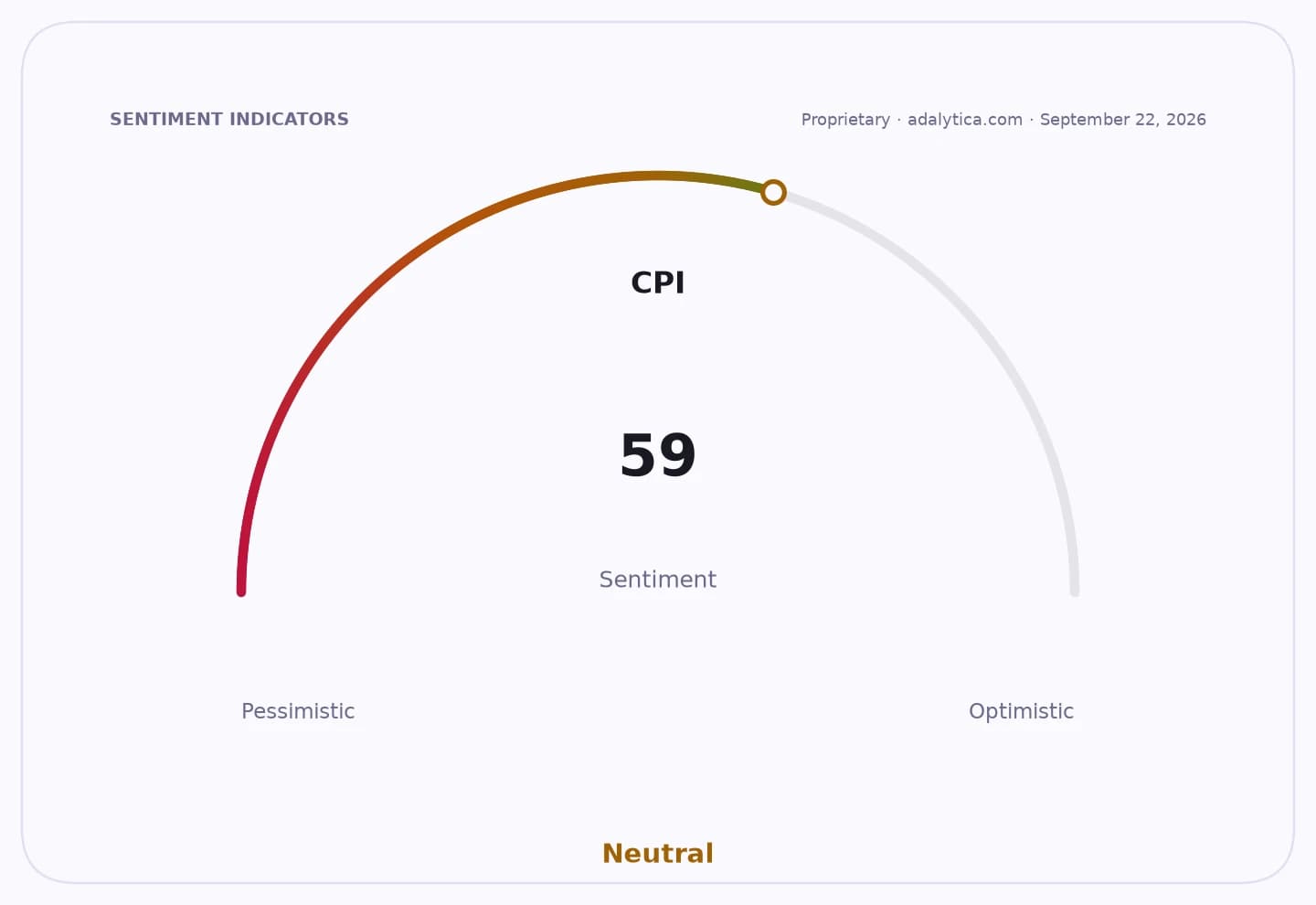
Inflation’s fresh acceleration in Greece is reviving a politically charged debate over whether cutting VAT on basic goods can actually lower prices at the shelf — and the answer matters not just for households, but for the state budget and retailers across the Mediterranean economy.
Consumer prices rose to 3.8% in August from 2.9% a year earlier, with sharper increases lurking behind the headline number in everyday staples: beef was up 13.5%, lamb and goat 11.3%, and salted fish 11.5%. At the same time, fuel, natural gas and electricity are again pushing up costs, threatening a new round of inflation in production and transport. That makes the VAT debate economically more urgent, because Greece is one of the euro area’s most consumption-tax-dependent economies and every extra price increase also lifts state VAT receipts.
The government is resisting calls to cut VAT on essentials, arguing that wage increases, direct tax cuts and targeted support are more effective. Prime Minister Kyriakos Mitsotakis said in Thessaloniki that even 20% of any VAT reduction may not reach final prices. But that line tells only part of the story. The Bank of Greece’s own research shows short-term pass-through from a temporary VAT cut of 19% to 25%, while the effect is closer to twice that when the cut is permanent and when it is paired with stronger competition and fewer market distortions.
That distinction is crucial for investors and policymakers. A VAT cut is not automatically wasted by retailers, as skeptics argue, but neither is it a free lunch. A product with a net value of 10 euros would fall from 11.30 euros at 13% VAT to 10.60 euros if a full cut to 6% were passed through. With only 25% pass-through, the consumer would see barely 18 cents off. In other words, the policy’s impact depends less on the headline rate than on enforcement, market structure and whether suppliers are forced to transmit the benefit.
Europe’s recent experience suggests the mechanism can work when it is designed properly. Spain’s 2023 zero-rate move on basic foods and lower VAT on pasta and cooking oil was backed by monitoring of about 10,000 products, and the Bank of Spain found near-full pass-through at the supermarket studied. Portugal also saw a 9.67% drop in its basket of 46 essentials after zero-rating selected foods, helped by a deal between government, producers and retailers. The common denominator was oversight, not just legislation.
Greece’s own island experiment is now the key test. Since Jan. 1, 2026, 24 islands in the northern Aegean, Dodecanese and Samothrace have been subject to reduced VAT rates of 17% and 9%, down from 24% and 13%. On paper, that should shave about 3.5% off the shelf price of a good taxed at 13%, and 5.6% off one taxed at 24%, if the cut is fully passed through. Nine months later, however, there is still no official assessment of how much reached consumers, and no published before-and-after basket to verify the effect.
That absence of hard evidence is why the debate is so investable. If the government eventually broadens the island model or moves toward targeted VAT relief on electricity, the beneficiaries would be households and domestic demand, but also supermarket chains and consumer-facing firms that can capture volume gains from lower ticket prices. The losers would be the treasury, which relies on indirect taxes for about 60% of revenue, and any retailers or wholesalers who have used inflation to preserve margins. The seven-month VAT take already reached 17.74 billion euros, underscoring how sticky the fiscal cost of relief would be.
For investors, the message is straightforward: watch for a policy shift toward VAT relief not as a macro curiosity, but as a margin-and-demand event. If Greece eventually proves, as Spain did, that tax cuts can pass through in a controlled setting, the market will have to reprice the probability of broader consumer support across Europe. If it cannot, the government will keep leaning on wages and direct transfers, which helps households more slowly but preserves fiscal room. Either way, inflation is forcing the state to choose between visible relief now and budget discipline later — and that is the real trade-off the islands are exposing.
| Entity | Gains | Losses |
|---|---|---|
| Greek households | ▲Lower shelf prices | ▼Less fiscal room |
| Greek treasury | ▲VAT revenue stability | ▼Budget pressure from cuts |
| Supermarkets/retailers | ▲Higher volumes if prices fall | ▼Margin squeeze if pass-through is enforced |
| Island economies | ▲Regional price relief | ▼Uncertainty without formal evaluation |