Greek retailers face weak autumn sales outlook
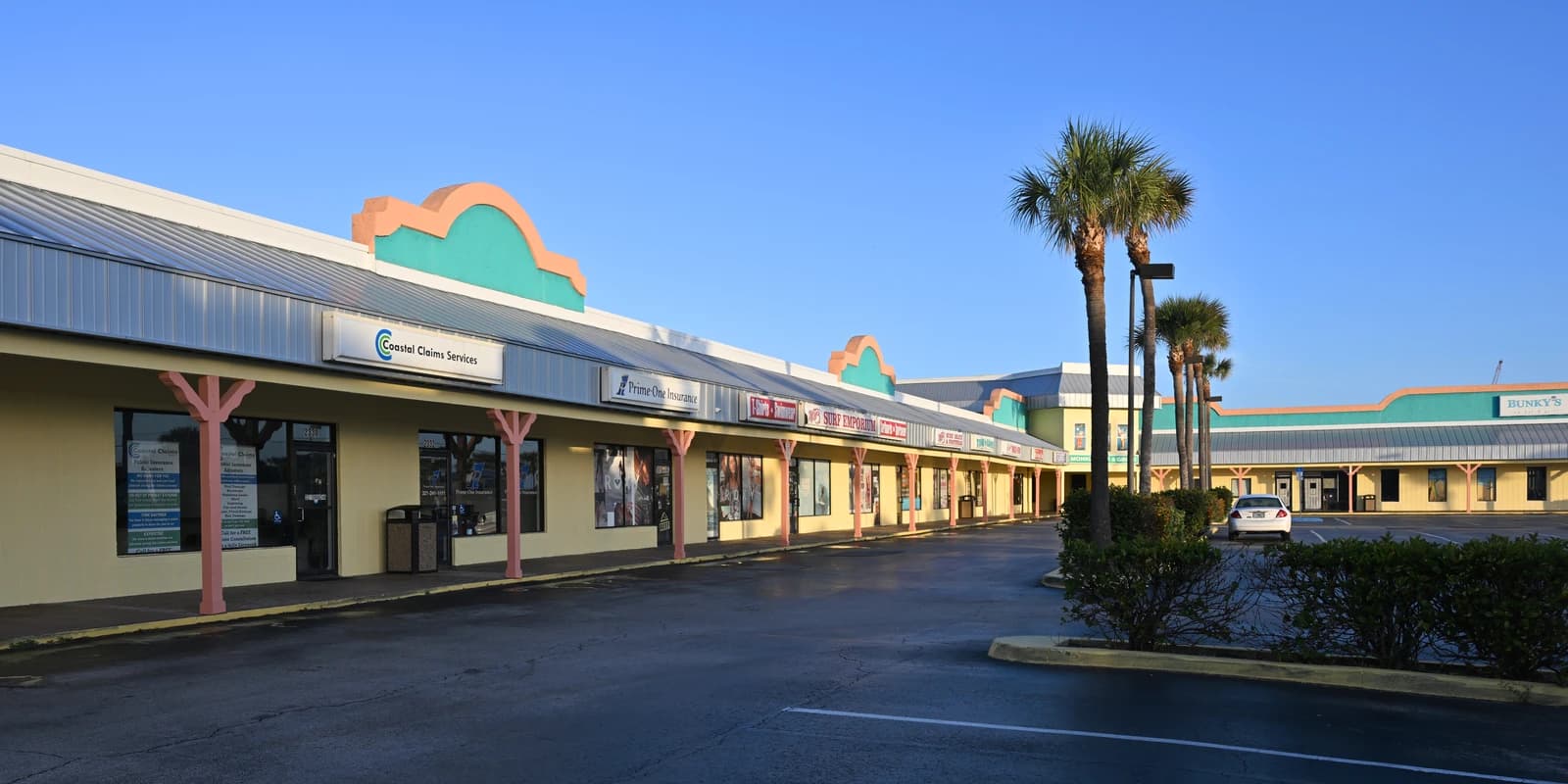
Retailers in Greece are heading into the autumn season with little sign of a consumer rebound after a weak summer sales period, as shoppers concentrated on essentials and discounts while small businesses reported sharply lower turnover.
That matters because retail demand is a read-through on household confidence, disposable income and the durability of domestic consumption, a key support for the economy. If spending stays subdued, the drag will extend beyond clothing and footwear into broader retail activity and pressure already thin margins across the sector.
Industry estimates put total turnover from the summer sales at about 7 billion euros ($8.1 billion), with a strong final day potentially lifting that to 7.1 billion euros. That is still below an earlier 7.4 billion euro estimate, underscoring how cautious consumers remained even after returning from August holidays.
The weakness is most severe among smaller merchants. In a survey by the Piraeus Traders Association, 55% of businesses said turnover was lower than a year earlier, while only 12% reported an increase. Some 73% blamed weak purchasing power, a sign that inflation fatigue and limited disposable income are still shaping spending decisions.
A separate survey by the Athens Traders Association found 71.3% of 409 small and medium-sized retailers reported lower turnover than last year. Retailers also said the seasonal discounts did little to revive traffic, even as 57.6% of businesses offered reductions of more than 30% and 41.5% cut prices across all merchandise.
For investors, the read-through is bearish for listed retailers and for any company dependent on Greek consumer demand. Continuous promotions may protect sales volumes, but they also squeeze gross margins and can make earnings more fragile heading into the slower months.
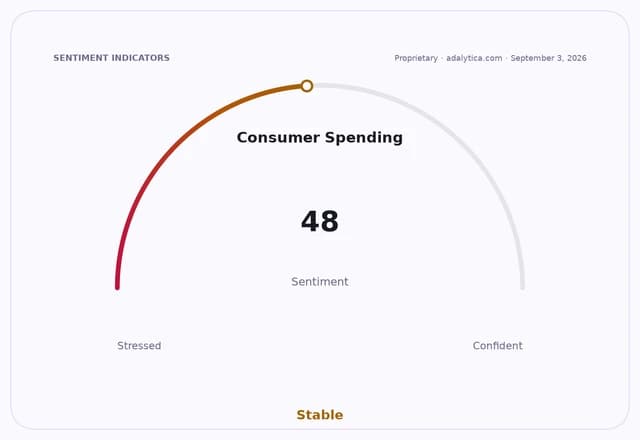
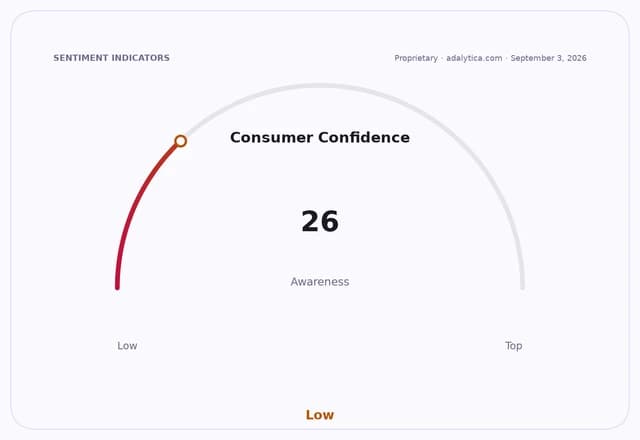
The broader macro picture remains mixed. Adalytica’s Consumer Spending Sentiment gauge was at 48, neutral, while its Consumer Confidence Recession Sentiment sat at 19, in fear territory, reflecting fragile demand conditions even as unemployment in the wider economy stays relatively contained.
Retailers are now betting on the autumn season for relief, but the key question is whether households start spending again or continue to delay non-essential purchases. A further deterioration would strengthen the case for more discounting, weaker profits and a prolonged squeeze on smaller stores.
| Entity | Gains | Losses |
|---|---|---|
| Bargain hunters | ▲Lower prices | ▼Retail margins |
| Large chains | ▲Traffic from discounts | ▼Smaller rivals’ share |
| Small retailers | ▲— | ▼Lower turnover |
| Greek consumers | ▲Essential goods affordability | ▼Discretionary purchases |