Green production boosts manufacturing productivity
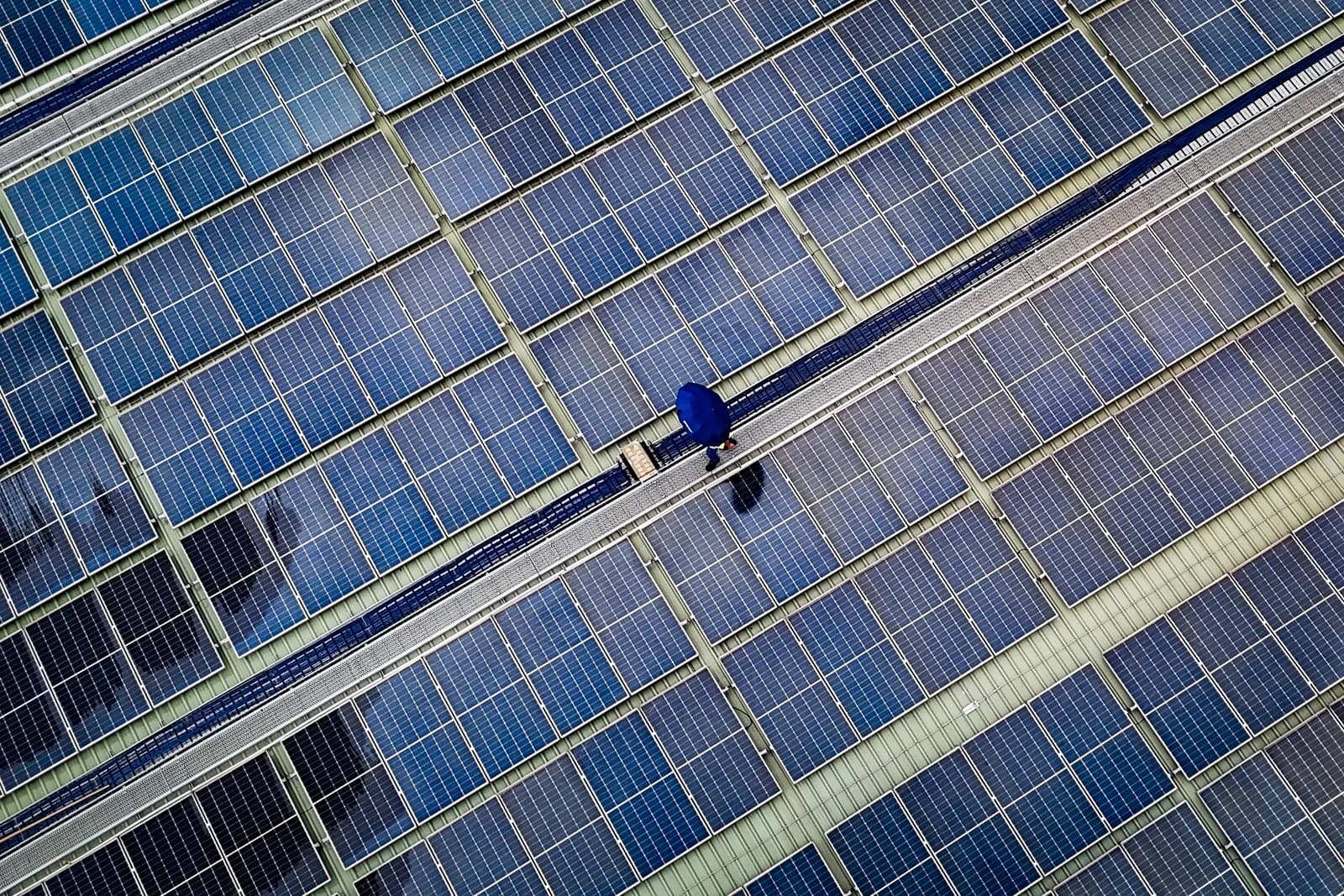
Cleaner production is increasingly being framed as a productivity strategy, not just an environmental one, as manufacturers from Vietnam to Europe and the U.S. face pressure to do more with less energy, fewer materials and tighter margins.
The Vietnamese policy message in the supplied material is clear: green transformation is meant to raise enterprise productivity by improving resource efficiency, speeding energy transition and building circular-economy supply chains. That matters because industrial productivity is now as much about cost control and resilience as it is about output growth. In a period of volatile energy prices, stricter carbon standards and fragile export demand, companies that lower input intensity can defend margins even if volume growth is modest.
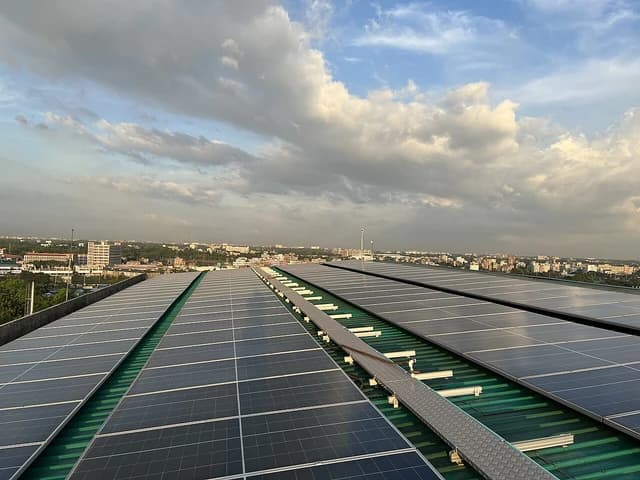
The logic is strongest in energy-intensive manufacturing. When firms reduce scrap, cut power use per unit and redesign products for reuse or recycling, they lower unit costs and dependence on imported fuel and raw materials. That can lift value added without requiring a proportionate increase in capex or labor. For export-oriented economies, the gain is doubly important: greener production can improve access to markets where supply-chain carbon rules are tightening, while also making firms more competitive on price.
That trade-off is already visible in industrial data from the region. Hungary’s latest figures showed industrial output rising 4.9% in manufacturing, led by vehicle production, up 18%, and computers and electronics, up 19.7%, while electrical equipment output fell 6%, underscoring how uneven factory performance remains. Turkey, by contrast, reported a 4.7% year-on-year drop in construction output in July, even as monthly activity improved, a reminder that higher costs and weak demand can still blunt investment-led growth. The broader point for investors is that the green transition is not a single-sector theme; it is a filter that is separating firms with efficient asset bases from those exposed to energy and material inflation.
For large multinationals, the same theme is showing up in corporate filings. Microsoft says its sustainability agenda is tied directly to its own business model, with goals to become carbon negative, water positive and zero waste by 2030. Apple has continued to lift research and development spending as it pushes product and supply-chain changes. Tesla’s latest filing said gross margin in energy generation and storage fell to 20.4% from 30.3% a year earlier, a reminder that clean-tech expansion does not automatically translate into pricing power. Investors are increasingly rewarding companies that can convert decarbonisation into operating leverage, rather than treating sustainability as a cost center.
That is why the investment case is shifting from “green” as a compliance story to “green” as a productivity story. The bull case is that firms that digitize energy management, automate production and design for circularity will preserve margins and gain market share. The bear case is that upfront investment, slower payback periods and uneven policy support can pressure free cash flow before efficiency gains appear.
Adalytica’s S&P 500 trade signals show extreme fear, while the U.S. dollar signal has moved into greed, reflecting a market still sensitive to growth, rates and policy uncertainty. In that environment, green productivity is attractive because it offers a rare combination of cost reduction and strategic resilience. The next test will be whether firms can prove, in earnings and capex returns, that cleaner production is translating into higher throughput, lower input intensity and stronger margins rather than just a better sustainability narrative.
| Entity | Gains | Losses |
|---|---|---|
| Efficient manufacturers | ▲Lower unit costs | ▼High energy intensity |
| Exporters with green supply chains | ▲Market access | ▼Carbon-border exposure |
| Long-term investors | ▲Margin resilience | ▼Capex-heavy laggards |
| Regulators and policymakers | ▲Productivity gains | ▼Slower transition adopters |