Grocery inflation drives value shopping at Walmart
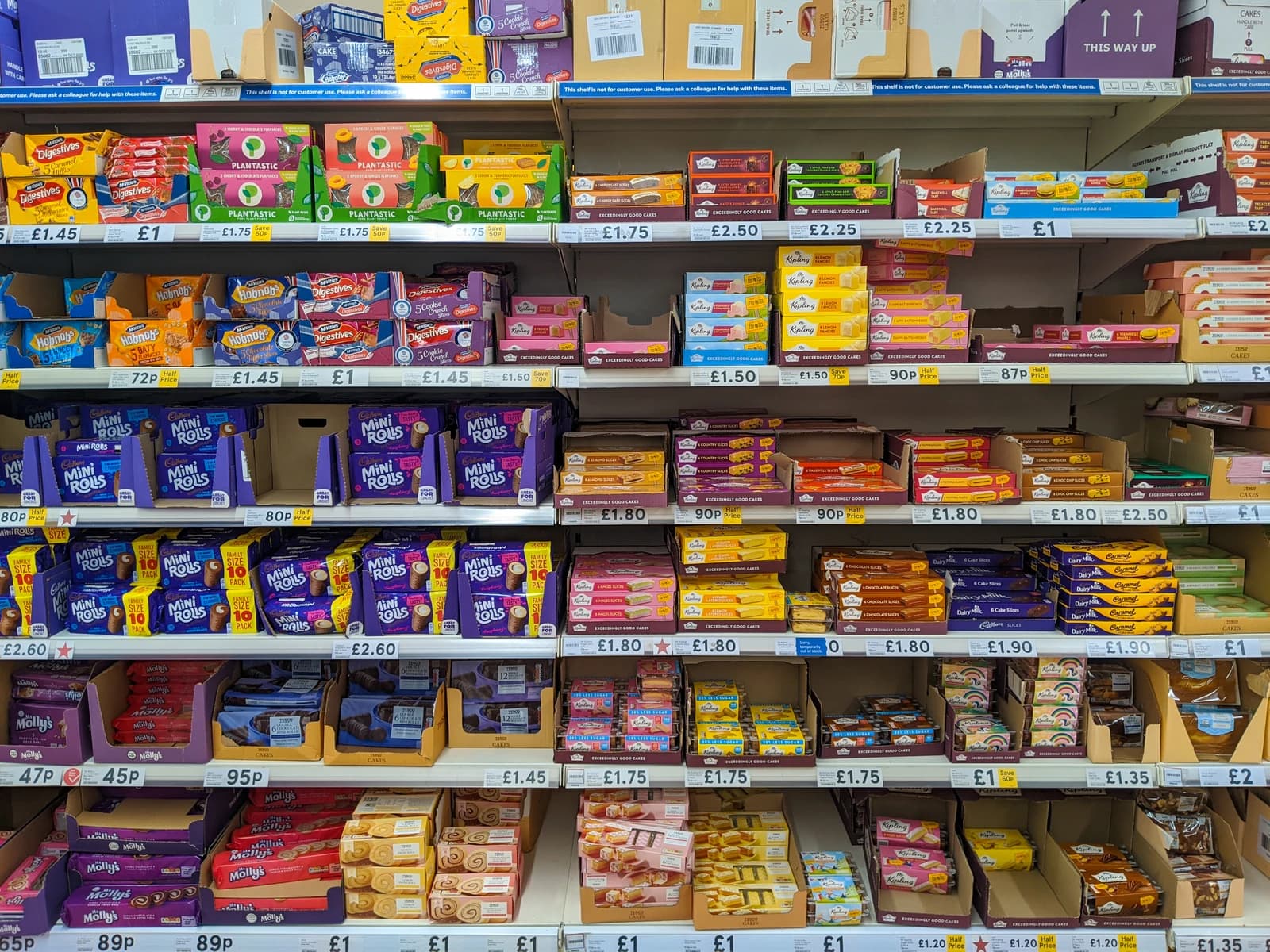
Households are still looking for ways to blunt grocery inflation, and that is keeping the fight over price, promotions and waste at the center of the food retail business.
The five “hacks” experts recommend — using store apps, buying marked-down perishables, leaning on frozen foods, comparing prices across aisles and stores, and cutting food waste — are less lifestyle advice than a map of how consumers are adapting to a higher-cost grocery market. Food prices remain a key pressure point in the inflation basket, with the latest CPI data showing broad consumer prices still running above their pre-pandemic baseline and food inflation continuing to shape spending decisions even as the pace of monthly increases cools.
That matters economically because groceries are a non-discretionary expense. When shoppers trade down to private label, frozen foods or manager’s specials, the savings ripple through the entire value chain: suppliers face more price sensitivity, grocers lean harder on loyalty apps and personalized coupons, and branded food companies may have to fund more promotions to defend shelf space. The result is a more defensive consumer, with demand increasingly driven by value rather than volume.
The store-app strategy is especially important because it reflects how retailers now steer traffic. Loyalty programs and digital coupons help chains target margin-sensitive shoppers while preserving pricing power on less elastic items. Markdowns tied to sell-by dates show how retailers manage shrink as much as they manage demand; a 20% to 50% discount on perishables can move product before spoilage, but it also reveals how much of grocery economics depends on inventory discipline.
Frozen food has emerged as a straightforward trade-down channel. Experts say frozen fish can be 10% to 30% cheaper than counter options, while frozen produce may run 20% to 30% less than fresh. That should be constructive for retailers with strong frozen aisles and private-label penetration, and tougher for premium fresh-food formats if consumers keep prioritizing value over perceived quality.
Price comparison inside the store is another sign of how fragmented grocery pricing has become. If a cheddar product can cost 40% more in the specialty case than the dairy case, the market is telling shoppers that convenience and presentation carry a steep premium. For investors, that supports the case for chains with sharper pricing architecture and better data on customer behavior, while pressuring operators that rely on assortment complexity to drive margin.
The final hack — buying less and wasting less — may be the most powerful. If roughly 40% of food in the U.S. is wasted, reducing overbuying and overcooking is an immediate household return on effort. But it also underscores that the grocery savings story is not just about deals; it is about tighter budgets and a consumer still trying to stretch every dollar.
For investors, that keeps focus on Walmart, Costco and Kroger, which tend to benefit when shoppers become more value-conscious, and on grocers such as Aldi that can win traffic with aggressive pricing. It also raises the bar for food manufacturers and higher-end grocers that depend on premiumization. If inflation stays sticky, the bargain-hunting behavior behind these five hacks is likely to remain a structural feature of the sector rather than a temporary response.
| Entity | Gains | Losses |
|---|---|---|
| Walmart, Costco, Kroger | ▲Value-driven traffic | ▼Premium pricing power |
| Aldi and discount grocers | ▲Share gains | ▼Higher-cost rivals |
| Grocery shoppers | ▲Lower checkout bills | ▼Less convenience |
| Branded food makers | ▲— | ▼More promo pressure |