Guardian Metal TUNGF rises on FTSE AIM 50 inclusion
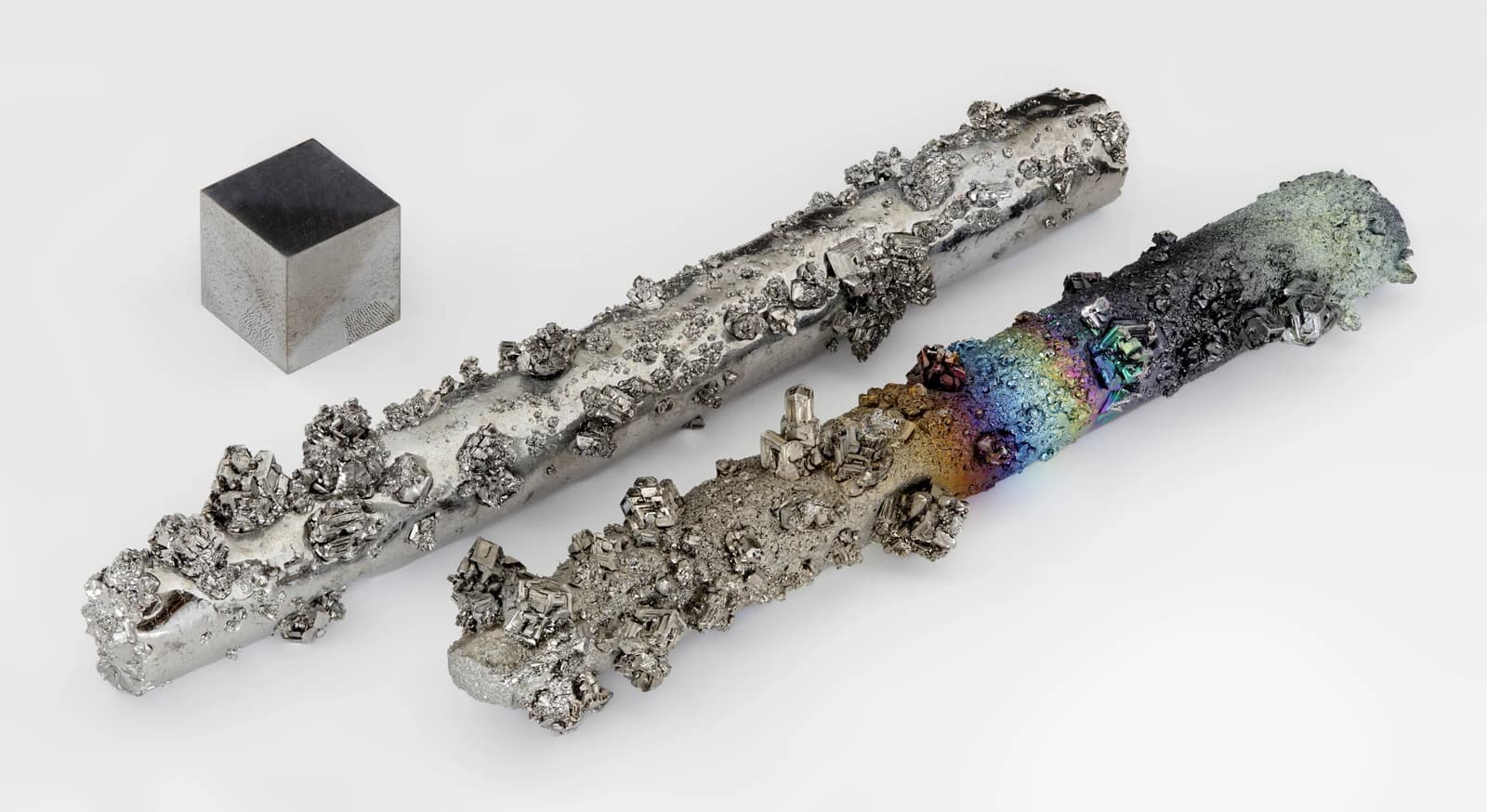
Guardian Metal’s recognition in the FTSE AIM 50 Index is putting the tungsten developer on the radar of more institutional investors at a time when the market is already rewarding the commodity theme, sending TUNGF shares to 1.51 and lifting trading volume.
For a small-cap miner, index inclusion matters because it can force benchmark-tracking funds and AIM-focused portfolios to buy the stock, improving liquidity and widening its shareholder base. That is especially important for a tungsten developer, where project financing, exploration spending and development milestones can depend on access to capital.
The stock has been volatile, reflecting both speculation and the thin liquidity typical of junior mining names. TUNGF closed at 1.51 in the latest session, up from 1.29 on Sept. 3 and 1.33 the next day, while volume on the most recent move remained well above the sub-200,000 level seen earlier in the month.
Technical indicators also show the rally has stretched the near-term picture. The 14-day RSI is at 70.5, a level that often indicates overbought conditions, while the shares are trading above the 50-day moving average of 1.19 but still below the 200-day average of 1.55.
The move comes as investors continue to favor critical-mineral names tied to supply-chain security and industrial demand, even though tungsten remains a niche market. For Guardian Metal, a place in the FTSE AIM 50 can help deepen market interest ahead of any project update, financing step or drilling result that could determine whether the current rerating sticks.
The next test is whether the stock can hold above recent support levels after the index-driven buying fades, or whether it needs fresh corporate catalysts to extend the gain.
| Entity | Gains | Losses |
|---|---|---|
| Guardian Metal / TUNGF | ▲Higher visibility, better liquidity | ▼Short sellers, if momentum holds |
| AIM index funds | ▲Exposure to a rising small-cap name | ▼Passive funds with limited rebalancing flexibility |
| Existing shareholders | ▲Potential rerating and broader ownership | ▼None if inclusion fades after rebalancing |
| Late buyers | ▲Momentum participation | ▼Buyers if the stock reverses on profit-taking |