Gulf inflation stays below 2% as oil rises
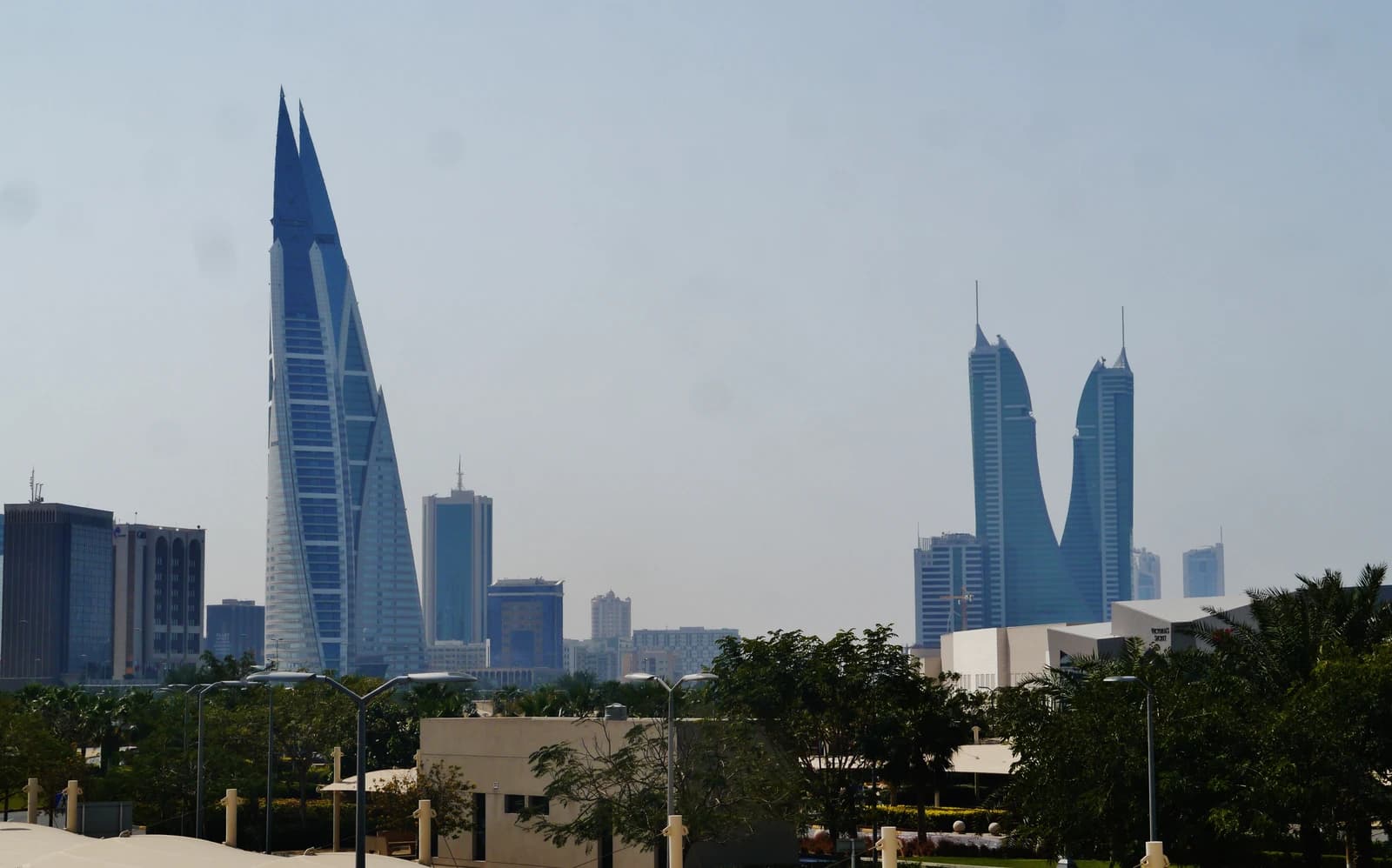
Gulf inflation is staying below 2%, a rare pocket of price stability that strengthens the region’s appeal just as higher oil prices and renewed global inflation fears are forcing other central banks back onto the defensive.
That matters because stable consumer prices give Gulf policymakers more room to support growth, preserve purchasing power and keep the region attractive to capital at a time when Europe is facing fresh inflation pressure and the U.S. is still wrestling with sticky interest-rate expectations. In a world where energy shocks are feeding through to transport, food and housing costs, the Gulf’s ability to keep inflation contained is becoming a competitive advantage, not just a macro footnote.
For investors, that means the Gulf remains one of the cleaner stories in emerging markets. Lower inflation reduces the odds of aggressive tightening, supports domestic demand and helps anchor valuations across banks, real estate, retail and infrastructure. It also reinforces the region’s status as a destination for foreign investment looking for growth without the same policy volatility now clouding other major economies.
The contrast with the broader global backdrop is stark. Oil has climbed above $90 a barrel amid conflict-related supply risks, and that kind of move tends to ripple through inflation expectations quickly. In Europe, those pressures are already showing up in price data and in markets pricing a more hawkish European Central Bank. The Gulf, by comparison, is holding its line, suggesting that local price controls, subsidy structures, currency pegs and still-managed domestic demand are cushioning the blow.
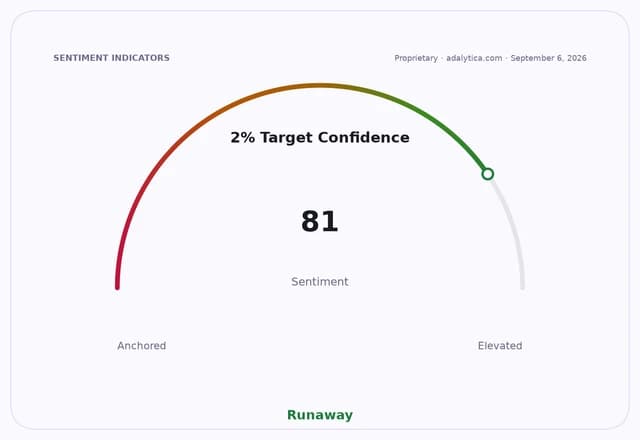
That stability is strategically important. Gulf states are competing for global capital, talent and supply-chain relevance at a time when investors are actively rotating toward regions with stronger fiscal buffers and less monetary stress. If inflation stays near or below 2%, the region can continue to position itself as a relative safe harbor while also funding large-scale transformation projects tied to tourism, logistics, technology and energy transition.
The opportunity here is not just in the headline inflation number. The market underestimates how much a low-inflation Gulf can compound over time by lowering financing costs, supporting credit growth and preserving policy flexibility while the rest of the world is forced to choose between growth and price stability. That is the kind of backdrop that can sustain long-duration investment themes and reward early positioning.
| Entity | Gains | Losses |
|---|---|---|
| Gulf policymakers | ▲Policy flexibility | ▼Inflation shock risk |
| Gulf banks and lenders | ▲Credit growth visibility | ▼Margin stress from tighter policy |
| Local consumers | ▲Purchasing power | ▼Imported price pressure |
| Global investors | ▲Stable entry point | ▼Less upside in inflation hedges |