Gas prices rise on Gulf LNG export bottlenecks
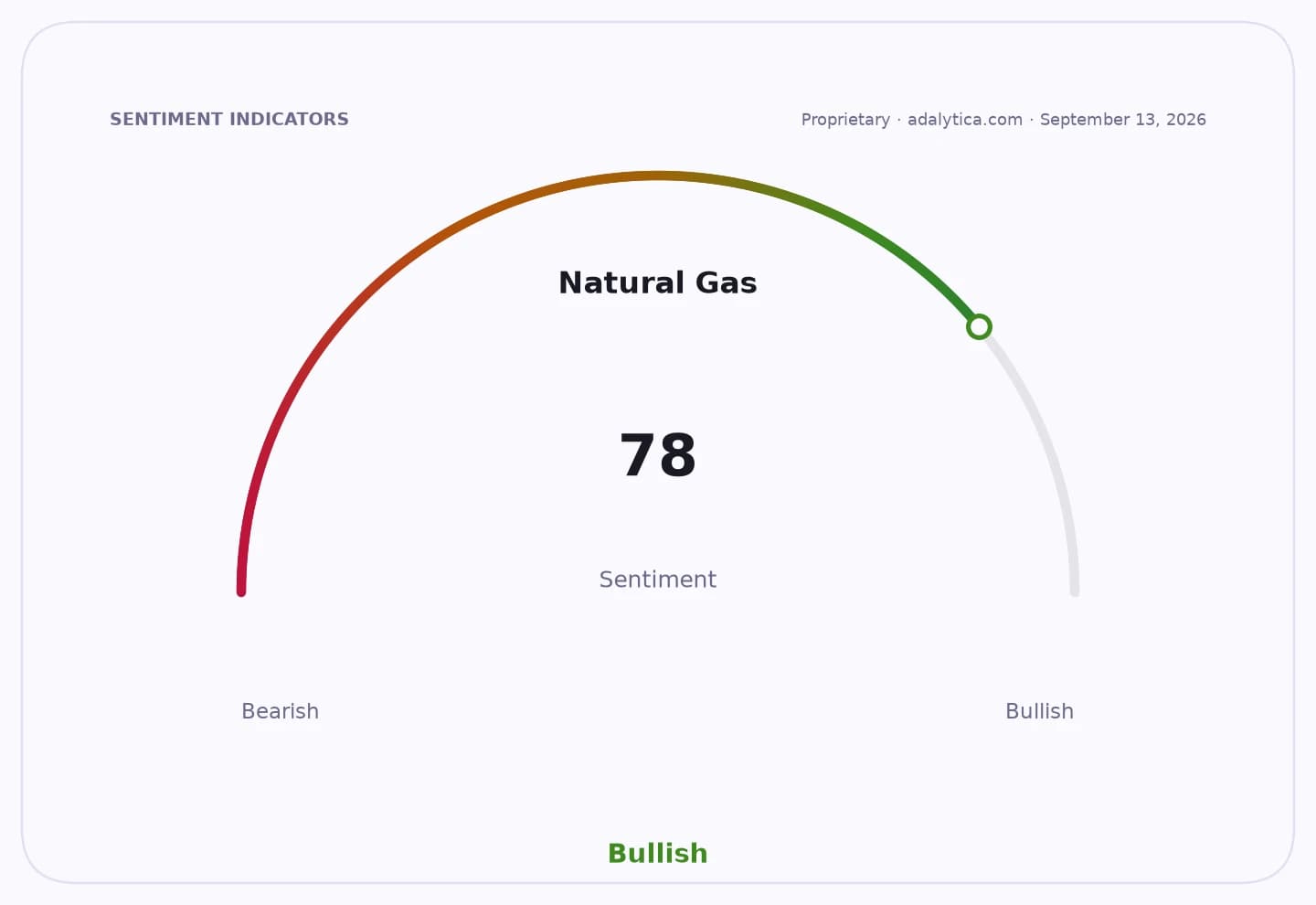
Natural gas traders and LNG investors are facing a simple but important problem: the Gulf is still not exporting enough gas to let Asian demand normalize, and that is keeping winter prices exposed to another sharp move higher.
Goldman Sachs says the bottleneck is the flow of liquefied natural gas through the Persian Gulf and the Strait of Hormuz, where exports have been running at just 15% to 25% of pre-war levels for about two months. That shortage has already pushed Europe’s benchmark TTF gas price from roughly 40 to 45 euros per megawatt hour in July to more than 80 euros in recent weeks, even as oil flows have recovered much faster. In other words, the gas market, not crude, is still absorbing the geopolitical shock.
That matters because Europe needs high prices to keep Asian buyers out of the market. Goldman argues the current “demand destruction” mechanism is doing its job: expensive gas in Europe helps suppress LNG demand in Asia, freeing cargoes to head west. But that balance is fragile. The bank pushed back its expected normalization of Gulf LNG flows to February 2027 from October 2026, and raised its fourth-quarter 2026 TTF forecast to 70 euros from 53 euros. It also lifted its JKM forecast, the Asian LNG benchmark, to $24.85 per million British thermal units from $18.90.
For investors, the near-term message is clear: winter gas prices carry more upside risk than downside risk. Goldman now expects Europe to enter the heating season with storage only 62% full by the end of October 2026, down from a prior estimate of 67%, and sees levels falling to just 19% by end-March 2027. That would leave the continent vulnerable if temperatures come in even modestly colder than normal. In a slower-recovery scenario for Gulf exports, Goldman sees TTF peaking near 105 euros and JKM approaching $35.
That is not a trivial setup for energy markets or for companies tied to LNG infrastructure and exports. U.S. producers and exporters such as Cheniere, Chevron and Exxon Mobil stand to benefit from sustained global pricing power, especially if Europe keeps paying up to pull cargoes away from Asia. The latest price action already reflects that tension: Cheniere’s stock has climbed to about $278, while Chevron is around $214 and Exxon is near $166, showing how investors continue to reward gas-linked cash flow as the market prices in supply tightness.
Still, Goldman’s longer-term view is much less bullish. Beyond 2027, the bank keeps its TTF forecast near 32 euros, but it cut its average 2030-2035 TTF estimate to 19 euros from 30 euros and lowered its JKM outlook to $7.15 from $10.60. The reason is straightforward: a wave of new U.S. LNG projects has reached final investment decision, and China’s gas demand has remained weak relative to GDP growth as renewable power expands. That combination points to a looser global LNG market later in the decade, even if the next winter stays tight.
For long-term investors, this is the kind of market that rewards patience and diversification. Short-term price spikes can improve earnings for exporters and infrastructure owners, but the bigger compounding story is the world’s continued shift toward globally traded LNG. The near-term trade is scarcity; the long-term theme is supply growth. That makes LNG names worth watching, but it also argues for a portfolio view rather than a one-stock bet.
| Entity | Gains | Losses |
|---|---|---|
| LNG exporters | ▲Higher spot prices | ▼Demand destruction risk |
| Europe | ▲Cargo access | ▼Heating-cost pressure |
| Asia buyers | ▲Potentially delayed imports | ▼Higher JKM prices |
| Cheniere, Chevron, Exxon | ▲Stronger LNG-linked cash flow | ▼Future oversupply risk |