Hang Seng Falls as U.S. Inflation Stays Hot
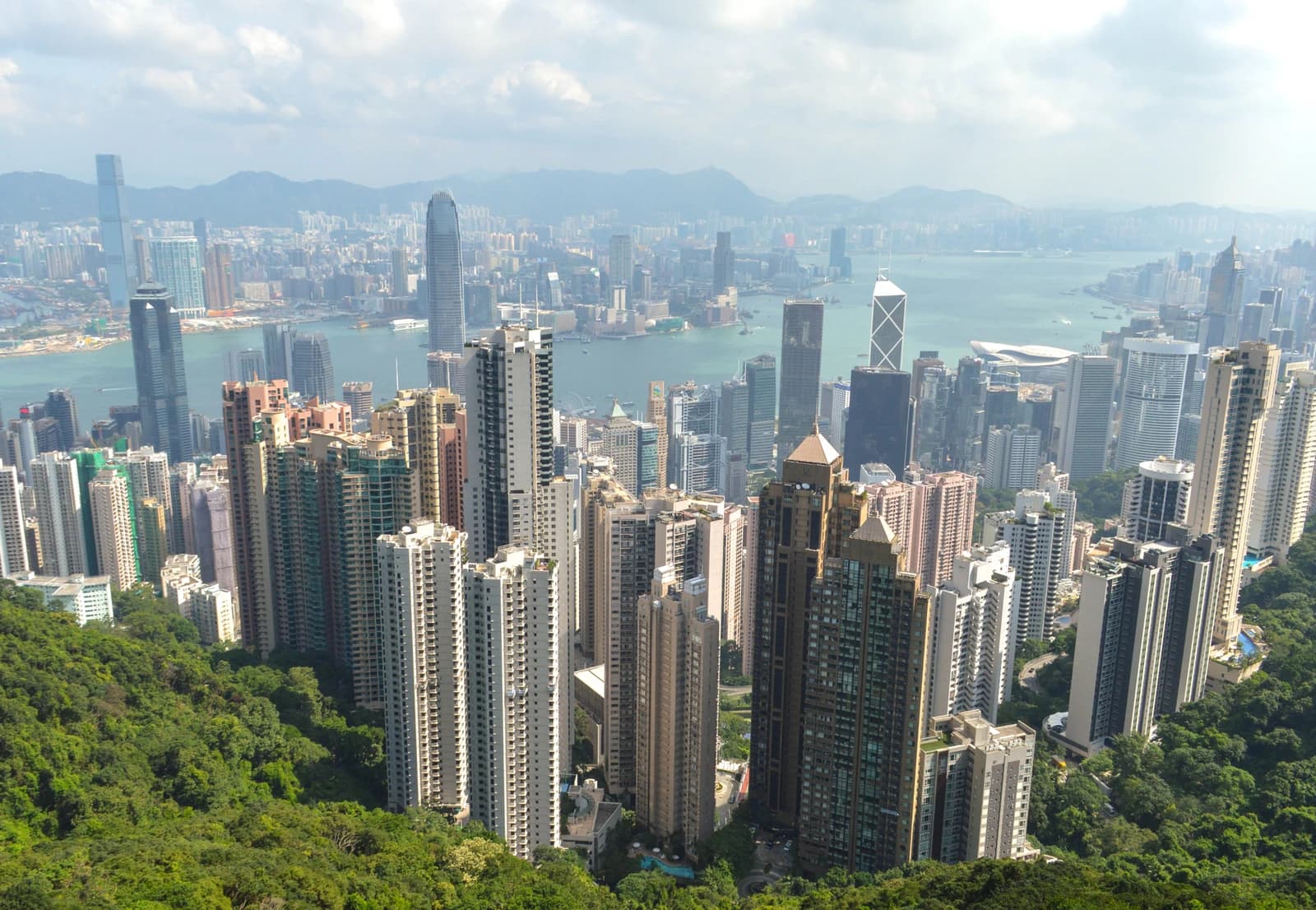
Hong Kong shares fell on Thursday as hotter-than-expected U.S. inflation data kept global investors wary that the Federal Reserve will be slower to cut rates, a reminder that the Hang Seng remains highly sensitive to American monetary policy even when local fundamentals look steadier.
The Hang Seng Index closed down 87.23 points, or about 0.3%, at 25,565.74, pulling back after a recent run that had left it near its 50-day moving average. The move was modest, but it matters because Hong Kong equities sit at the intersection of U.S. rates, China growth and offshore risk appetite. When inflation in the U.S. stays sticky, Treasury yields tend to stay elevated, the dollar stays supported and liquidity into Asian risk assets gets tighter.
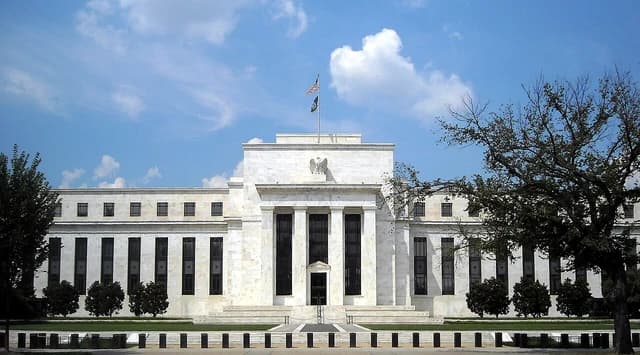
That is exactly the kind of backdrop that can cap valuation upside in Hong Kong. The U.S. 10-year Treasury yield was last around 4.64%-4.74%, while the 10-year minus 2-year spread remained mildly positive at about 0.47 percentage point, suggesting markets are still pricing a relatively restrictive policy environment rather than an aggressive easing cycle. For Hong Kong, where the currency peg ties local rates closely to the Federal Reserve, that translates into less room for a sustained re-rating in property, utilities and other rate-sensitive names.
Investors should care because Hong Kong is still one of the cleaner ways to express China exposure, but it is not a domestic story alone. The benchmark has recovered from a late-June low near 22,672, yet the latest pullback shows how quickly macro headlines from the U.S. can undo momentum. Technical readings also point to a market that is no longer stretched: the index’s RSI was near 48, basically neutral, after briefly overheating earlier in the summer. That leaves room for either a renewed advance or another leg lower, depending on whether U.S. inflation cools enough to revive rate-cut expectations.

The broader market message is that liquidity, not just earnings, is still driving Asia. Technology and growth shares remain exposed to every shift in the U.S. yield curve. Nvidia, a bellwether for global AI appetite, also eased from recent levels, underscoring that even the strongest secular themes can wobble when discount rates rise. In Hong Kong, that dynamic is especially important for mainland internet platforms, financials and developers, which need easier financial conditions to sustain a durable rally.
The near-term catalyst is the next run of U.S. inflation and labor data. If price pressures stay firm, Hong Kong stocks could struggle to extend gains despite improving trade flows and a stronger regional export backdrop. If inflation cools, the Hang Seng has room to recover quickly. For investors, the setup remains attractive, but the market is telling you to stay selective, favor cash-generative large caps and use weakness to build positions rather than chase rallies.
| Entity | Gains | Losses |
|---|---|---|
| U.S. dollar | ▲Yield support | ▼Rate-cut hopes |
| Hong Kong exporters | ▲Stronger external demand | ▼Higher funding costs |
| Hong Kong property shares | ▲Lower if U.S. yields fall | ▼Higher if rates stay firm |
| Hang Seng bulls | ▲Easier liquidity | ▼Sticky U.S. inflation |