Hanoi Redevelopment Could Lift Property Winners
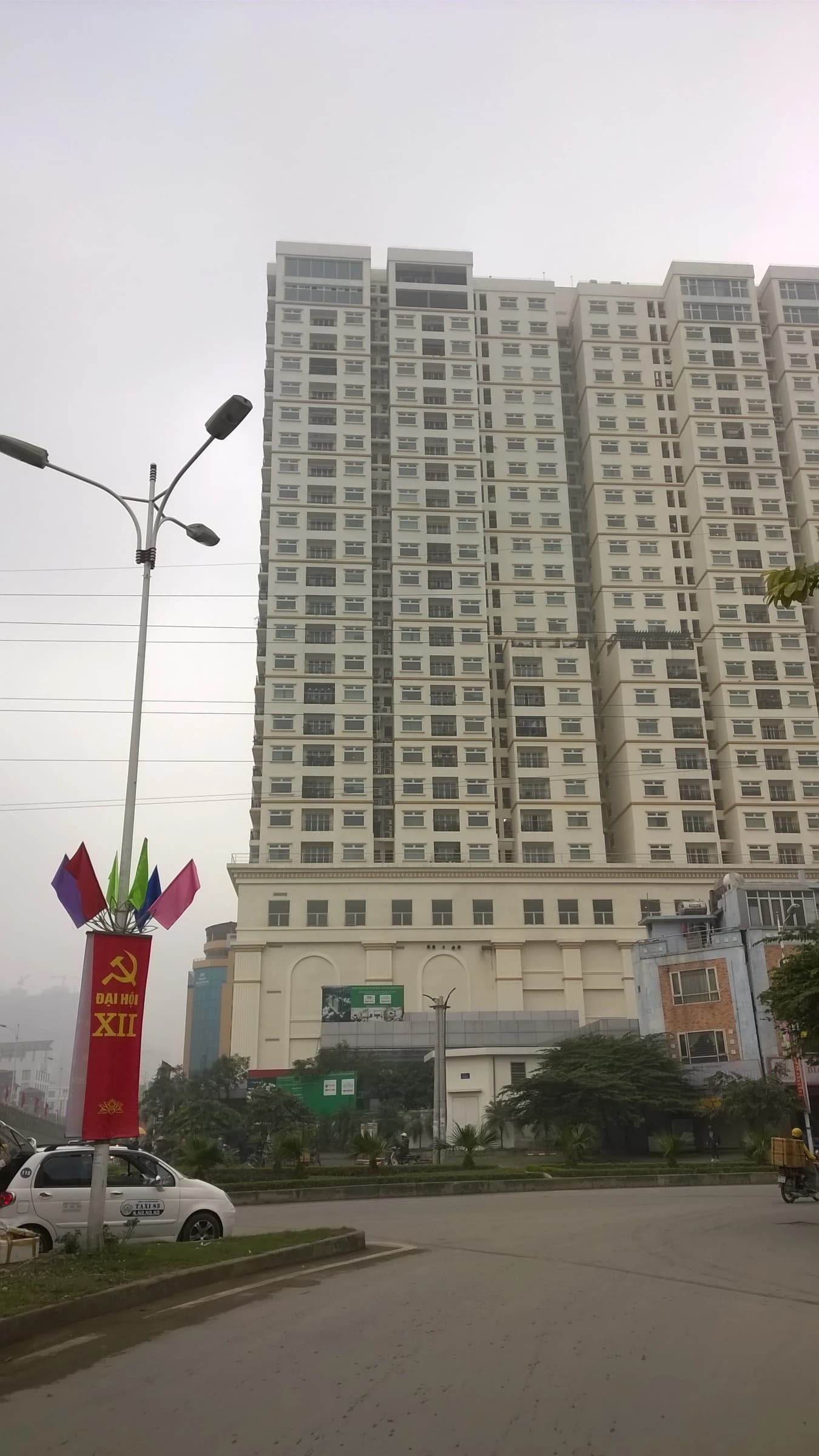
Shanghai’s property boom after a quarter-century of re-planning is a reminder that the biggest gains in Asian real estate often come not from the cycle, but from the city redesign itself.
That is the lens investors should use on Hanoi now. The market is underestimating how much value can be created when a capital city’s infrastructure, zoning, cultural assets and digital administration are all pushed through a coordinated upgrade. In Shanghai, that kind of long-duration urban surgery helped transform land scarcity, transport access and district quality into a multi-decade wealth engine. Hanoi is not Shanghai, but the investment logic is similar: when a city is remade, the winners are usually the developers, builders, materials suppliers and landholders positioned closest to the new corridors of growth.
The immediate market setup is already signaling something bigger than a short-term bounce. The VNQ real estate gauge has climbed to 99.48, with the fund trading above both its 50-day and 200-day moving averages, while the relative strength index remains elevated at 55.9 and the MACD is still positive. That suggests the sector has broken out of the weak-valuation phase and is trying to establish a new uptrend. By contrast, the broader U.S. market is flashing caution, with SPY’s proprietary Adalytica trade signals showing fear and fading awareness. In other words, capital is still selective, and that makes urban redevelopment themes more attractive: money is looking for visible, policy-backed growth rather than pure beta.
This matters economically because redevelopment is not just about prettier skylines. It is about unlocking land value, shifting population density, raising transaction prices and creating demand for roads, transit, utilities, retail, hospitality and office space. Hanoi’s push to align culture, tourism and digital modernization with broader socio-economic development adds another layer: that kind of state-led urban upgrading can improve district desirability faster than the market expects, especially where administrative reform accelerates planning approvals and infrastructure coordination.
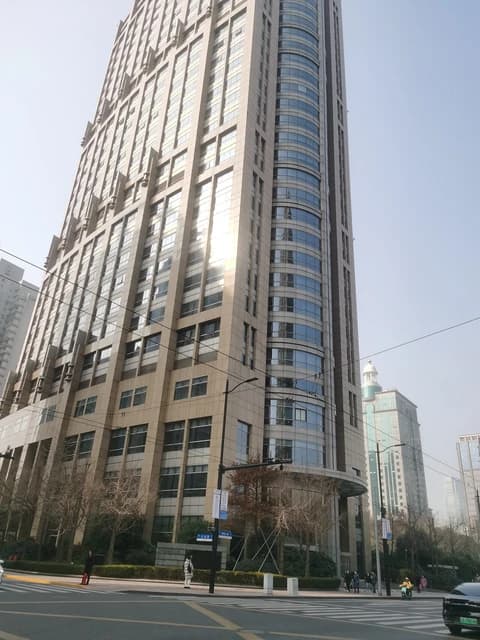
The Shanghai analogy is powerful because it shows how long time horizons can overwhelm initial skepticism. A 13-fold increase in house prices over 25 years did not come from speculation alone; it came from successive waves of planning, connectivity and neighborhood upgrading. For Hanoi, the question is not whether the city can copy Shanghai one-for-one. It cannot. The question is which assets benefit first when an urban “major surgery” starts changing how people live, work and move around the capital.
That is where the asymmetric opportunity sits. Developers with land banks near transit links, mixed-use districts and government-prioritized corridors can see the biggest valuation rerating. Construction and building-material names should also benefit as redevelopment moves from policy to capex. For investors who want cleaner exposure, real estate ETFs and regional property plays tied to infrastructure-heavy urbanization offer a way to own the second-order winners.
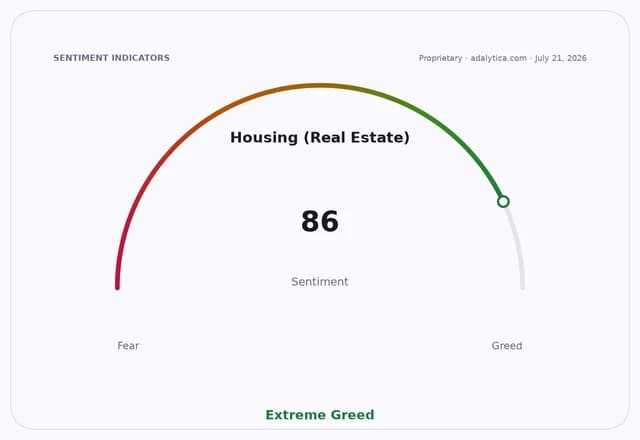
The risk, of course, is that the market tries to front-run the story too early. XHB’s sentiment reading is already in extreme greed, which argues for discipline rather than blind chase. But the underlying thesis remains intact: when a city is undergoing structural re-planning, the most important profits are made before the consensus fully believes in the transformation.
If Hanoi’s redevelopment cycle follows even part of Shanghai’s path, the opportunity is not just in owning property. It is in owning the toll roads around the property boom. Investors should focus on the land-rich, infrastructure-linked names that stand to benefit most as the capital’s next growth districts take shape.
| Entity | Gains | Losses |
|---|---|---|
| Hanoi developers with land banks | ▲Higher land values | ▼Legacy low-density assets |
| Construction and materials suppliers | ▲Infrastructure capex surge | ▼Idle capacity |
| Retail, hospitality and transport operators | ▲More foot traffic | ▼Peripheral locations |
| Late property buyers | ▲Asset repricing risk | ▼Affordability and entry cost |