Hanoi Student Housing Beds Remain Vacant
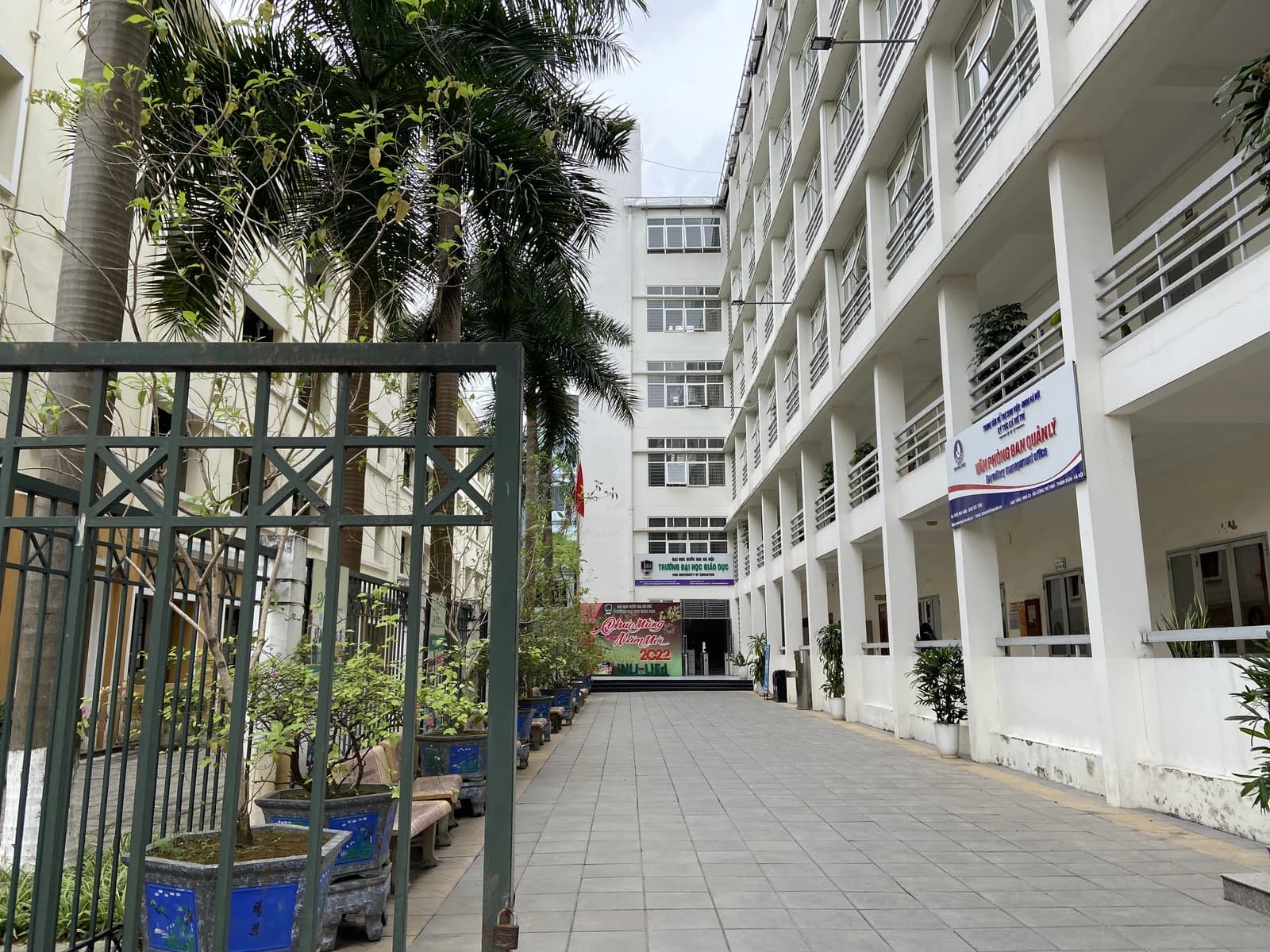
Hanoi still has 5,801 vacant student housing beds across two state-managed complexes, underscoring a mismatch between public housing supply and actual demand even as the city tries to make the units easier to access.
The biggest overhang sits at Mỹ Đình II and Pháp Vân - Tứ Hiệp, where 42% and nearly half of the available beds, respectively, remain unoccupied. The Hanoi Department of Construction disclosed the figures in August as part of a push to make vacant public housing inventory more transparent and help eligible renters find and register for available units.
The numbers matter because idle stock in a tight urban housing market limits the social and economic value of state-built accommodation. For students and low-income households, unused units represent supply that is already built, financed and managed but not generating occupancy or rent at full potential.
At Mỹ Đình II, the city says 3,089 of 7,368 beds are empty, equivalent to about 515 apartments under the project’s six-bed layout. Pháp Vân - Tứ Hiệp has 2,712 vacant beds out of 5,520, or roughly 339 apartments based on its eight-bed configuration.
By contrast, the CT19A Việt Hưng social housing block has only two vacant apartments out of 515, showing that the problem is concentrated in student housing rather than in all publicly managed residential stock. That contrast suggests the issue is less about a citywide oversupply and more about location, pricing, convenience and tenant demand for specific products.
For investors, the message is broader than Hanoi’s public housing pool. Vacancy in state-managed student housing highlights the fragility of demand in lower-end rental segments and the importance of access, transport links and unit design in determining absorption. In the wider housing complex, it reinforces the challenge for landlords and developers trying to match supply with households that can and will actually take units.
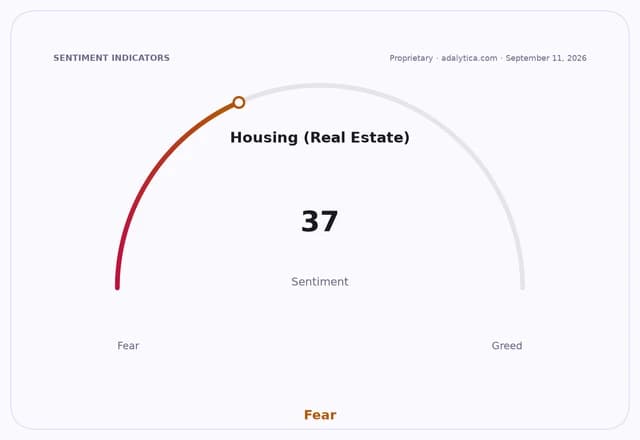
Adalytica’s Housing Fear & Greed Index shows neutral sentiment but elevated awareness, while broader U.S. housing trade signals remain under pressure, reflecting how quickly rental and occupancy expectations can shift when demand weakens. For Hanoi, the immediate catalyst is whether the city’s disclosure campaign can move the empty beds into use; if not, the vacancy problem may persist despite the available supply.
| Entity | Gains | Losses |
|---|---|---|
| Hanoi city housing authority | ▲Better transparency, faster allocation | ▼Ongoing vacancy burden |
| Eligible student renters | ▲Easier access to available beds | ▼Fewer options if demand stays weak |
| State-managed housing complexes | ▲Higher occupancy potential | ▼Low utilization and lost revenue |
| Competing private landlords | ▲Limited direct gain | ▼More pressure to justify rents and location |