Hanwha Ocean develops higher-pressure LNG fuel tank
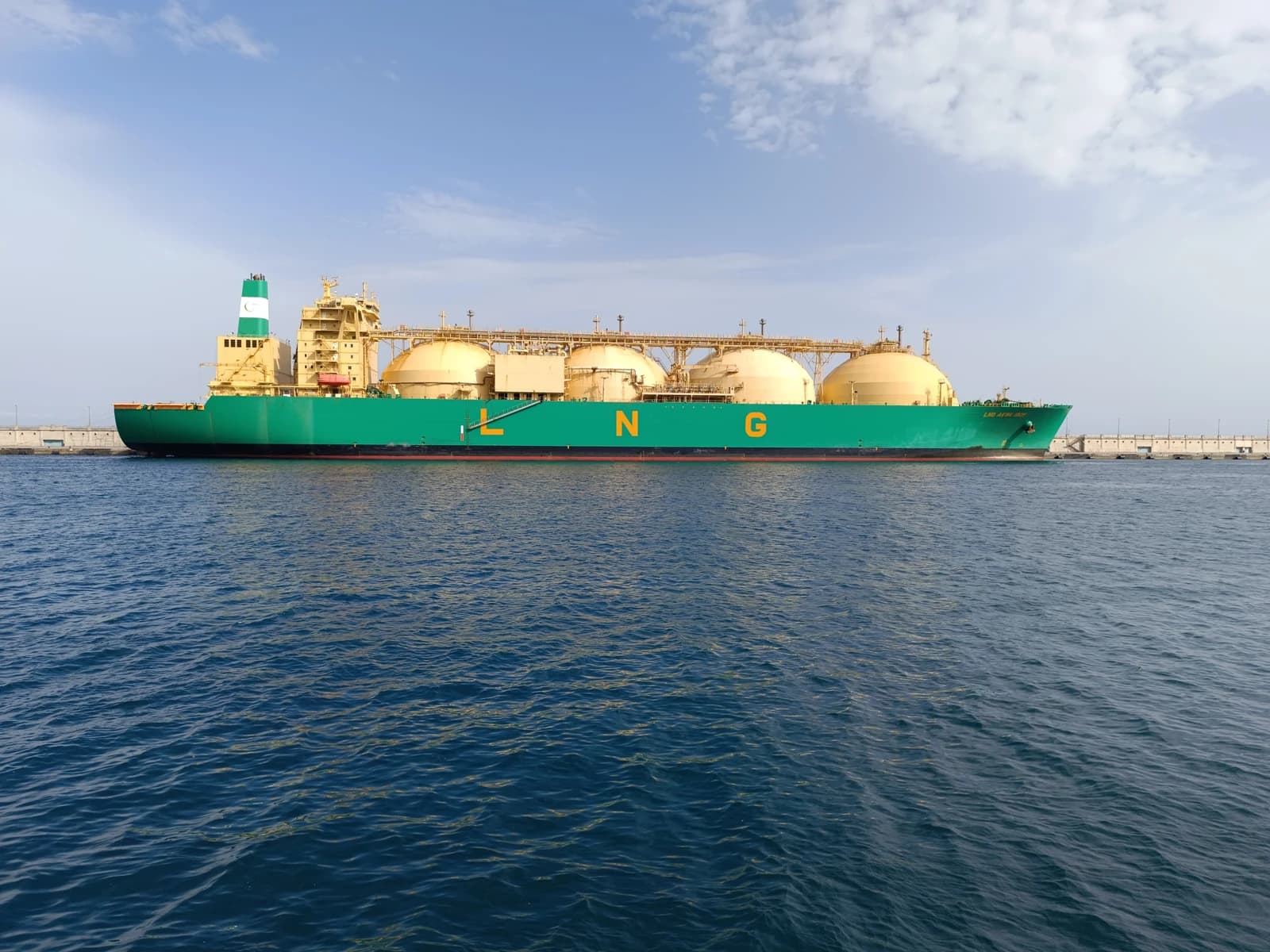
Hanwha Ocean says it has finished developing a new LNG fuel tank that can safely handle up to three times the current pressure limit, a step that could improve the operating flexibility and fuel efficiency of next-generation gas-fueled ships as demand for LNG carriers and bunkering vessels rises.
The South Korean shipbuilder made the announcement at Gastech in Bangkok, where it also secured approvals in principle for a floating LNG production unit design from ABS and DNV, underscoring its push to expand beyond conventional shipbuilding into higher-value gas-related systems. For investors, the bigger takeaway is that Hanwha is trying to lock in more of the LNG supply-chain buildout, from ship equipment to offshore production units and refueling infrastructure.
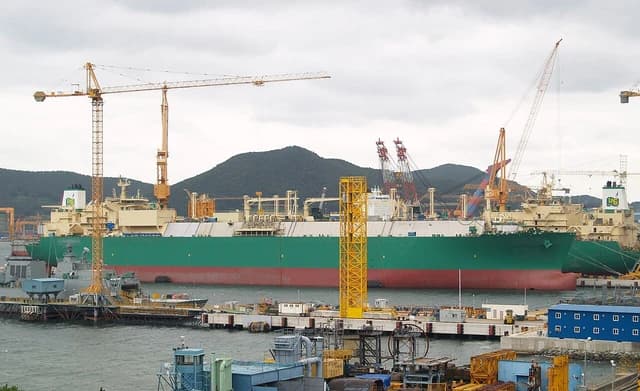
The new tank technology was developed with Norway’s DNV and raises the allowable pressure in Type-B LNG fuel tanks from 0.7 barg to as much as 2 barg, a threefold increase under the International Gas Carrier Code framework. Hanwha says the higher pressure can store boil-off gas longer, which should give vessels more routing flexibility and better fuel management.
That matters because tighter environmental rules are pushing more shipping toward LNG propulsion. DNV has projected that as many as 208 LNG-fueled vessels could be needed by 2030, creating an opening not just for carriers but also for bunkering ships that supply fuel at sea. Hanwha has signed an MOU with Korea Register to co-develop an 18,000-cubic-meter LNG bunkering vessel and says it plans to use a type-C independent tank and a high-manganese steel cargo containment concept it has already received approval for on an ethane carrier design.
Hanwha also agreed with Lloyd’s Register to jointly develop a longer internal inspection interval for LNG cargo tanks, aiming to extend the current five-year cycle to 7.5 years using condition-based monitoring and risk-based safety assessment. That could lower maintenance downtime and operating costs for shipowners if regulators accept the approach.
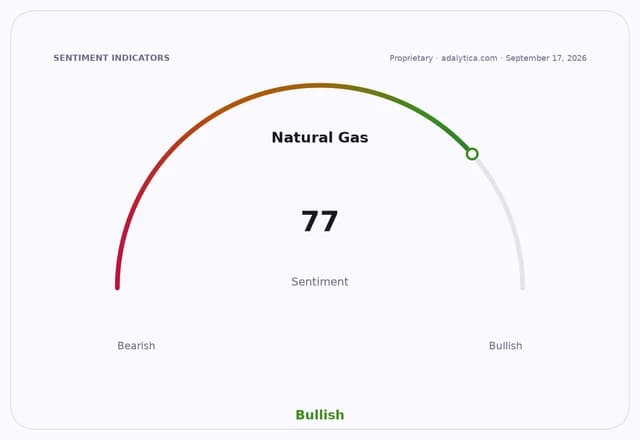
The moves come as the LNG market stays tight and shipping demand becomes more strategic, with buyers seeking vessels and infrastructure that can handle more volatile trade flows and stricter emissions standards. Hanwha’s progress in certified technologies gives it a pitch as a supplier of more efficient, higher-spec LNG hardware rather than just a builder of large ships.
The stock market has already been sensitive to Hanwha Ocean’s LNG-related execution, with the shares recovering sharply from earlier-year lows and trading near 48,750 won in recent sessions, still well below their 50-day average and 200-day average. For investors, the key question is whether these approvals and development projects translate into orders and margin uplift in the coming quarters.
| Entity | Gains | Losses |
|---|---|---|
| Hanwha Ocean | ▲Higher-value LNG orders | ▼Pure commodity shipbuilders |
| LNG shipowners | ▲More fuel efficiency | ▼Higher retrofit costs |
| LNG bunkering operators | ▲New vessel demand | ▼Conventional fuel suppliers |
| Regulators/insurers | ▲Better monitoring tools | ▼Operators with older tank systems |