Healthcare AI shifts to embedded hospital systems
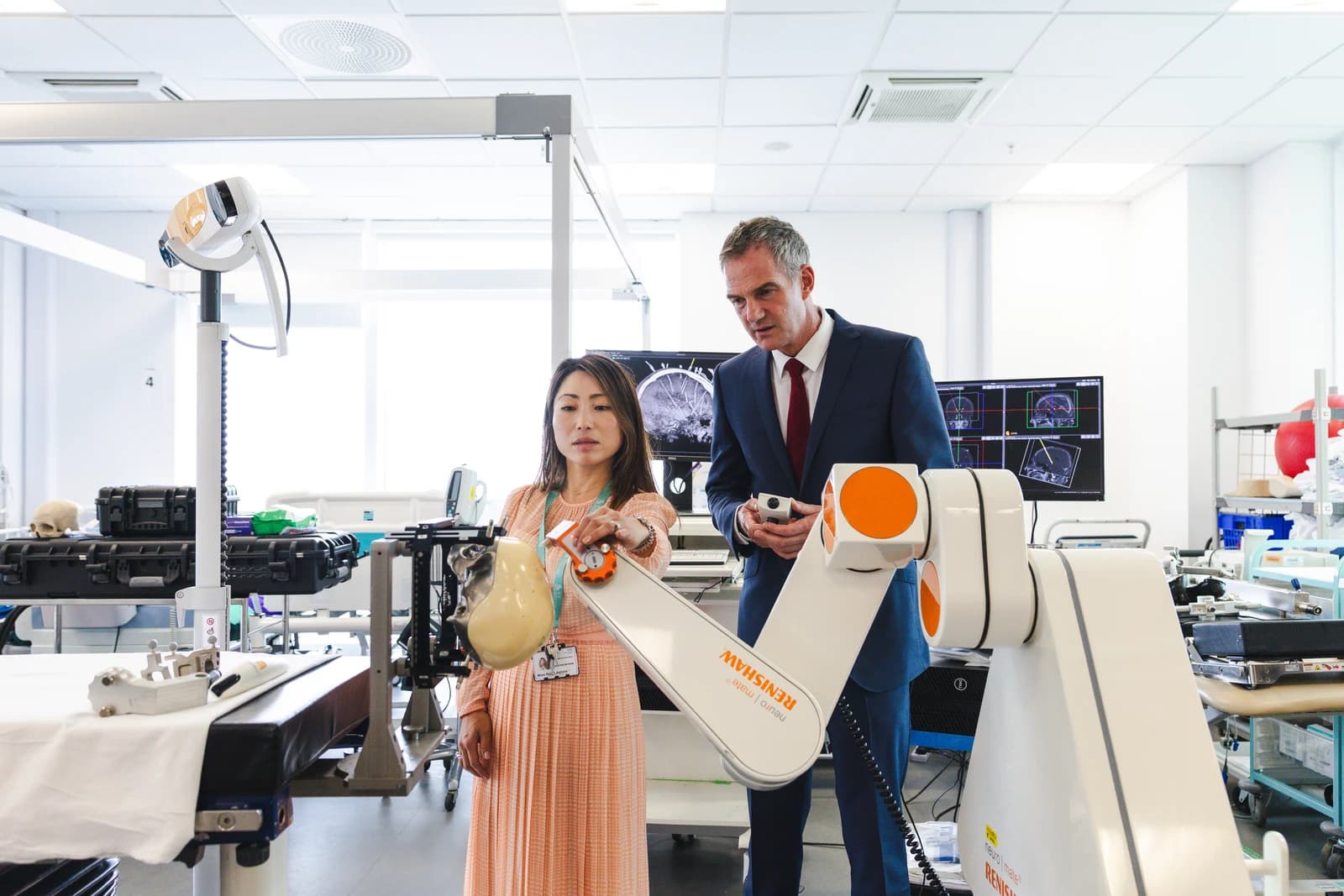
Hospitals are moving from experimental AI tools to embedded systems that can support surgery, documentation and clinical decision-making without handing over control to machines, a shift that could reshape care delivery, liability and spending across the $4 trillion US health sector.
That was the central message from tech&fest in Grenoble, where industry and health-tech leaders framed “caring without dependence” as the next phase of artificial intelligence in medicine. The question is no longer whether AI can help, but how health systems can adopt it safely enough to improve outcomes while keeping physicians, administrators and regulators in charge.
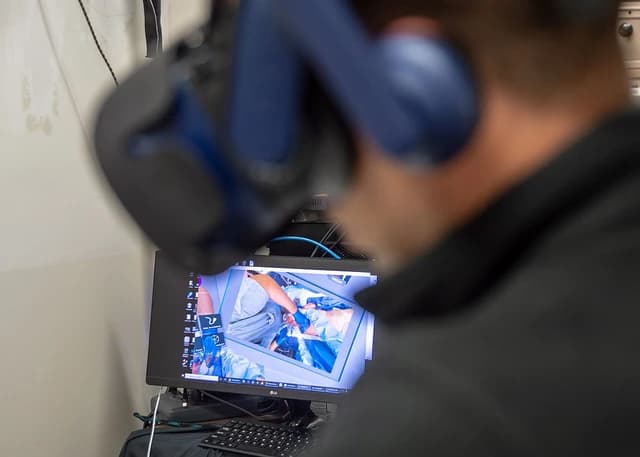
The economic stakes are large. Healthcare providers are under pressure to cut labor-intensive admin work, speed diagnoses and improve throughput in a system facing rising costs and staffing strain. Embedded AI — software built into devices, workflows and clinical platforms — offers a way to automate note-taking, image analysis and surgical support without forcing hospitals to replace their existing care model.
That balance matters because the biggest barrier to adoption is not only technology, but trust. Ochsner Health’s appointment of Dr. Alexander Fortenko as vice president of innovation underscores how large health systems are now building governance around responsible AI use, including the thorny issue of which AI-generated data should enter medical records. For providers, the wrong answer can create legal exposure; for vendors, it can slow procurement and lengthen sales cycles.
Investors are watching because healthcare AI is becoming a commercial test case for the broader “copilot” economy. Companies tied to surgical robotics, medical imaging, cloud infrastructure and enterprise software stand to benefit if hospitals standardize on tools that improve efficiency without triggering regulatory backlash. That includes firms such as Intuitive Surgical and Medtronic on the device side, and Microsoft and Nvidia across the software and compute stack.
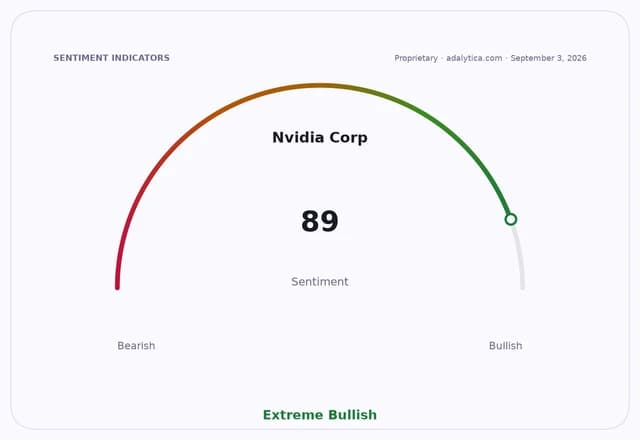
The market backdrop suggests both opportunity and caution. Nvidia shares have gained sharply, with the stock closing at $224.41 on Sept. 2, above its 50-day moving average of $209.28 and 200-day average of $196.11, while Adalytica’s Nvidia earnings sentiment reads at 89, or “Extreme Greed.” Microsoft, by contrast, has seen sentiment sink to 15, or “Extreme Fear,” even as the shares remain near $496.82. That split reflects investor enthusiasm for AI infrastructure alongside concern that monetization in enterprise software and regulated sectors like healthcare will take longer.
For hospitals, the narrative is autonomy, not replacement: use AI to reduce friction, not to surrender judgment. For investors, that likely means the winners will be companies that can prove their systems are auditable, clinically useful and safe enough to pass through health-system procurement and regulatory review. The next catalysts are likely to come from new hospital deployments, surgical AI rollouts and any fresh guidance from regulators on how AI-generated clinical data should be recorded and governed.
| Entity | Gains | Losses |
|---|---|---|
| Hospitals adopting embedded AI | ▲Higher efficiency | ▼Higher governance burden |
| AI medical-device vendors | ▲Faster deployment | ▼More compliance scrutiny |
| Physicians and care teams | ▲Less admin work | ▼Less workflow flexibility |
| Microsoft/Nvidia ecosystem | ▲More healthcare demand | ▼Slower monetization if trust lags |