Healthcare Liquidity Risks Rise as Rates Stay High
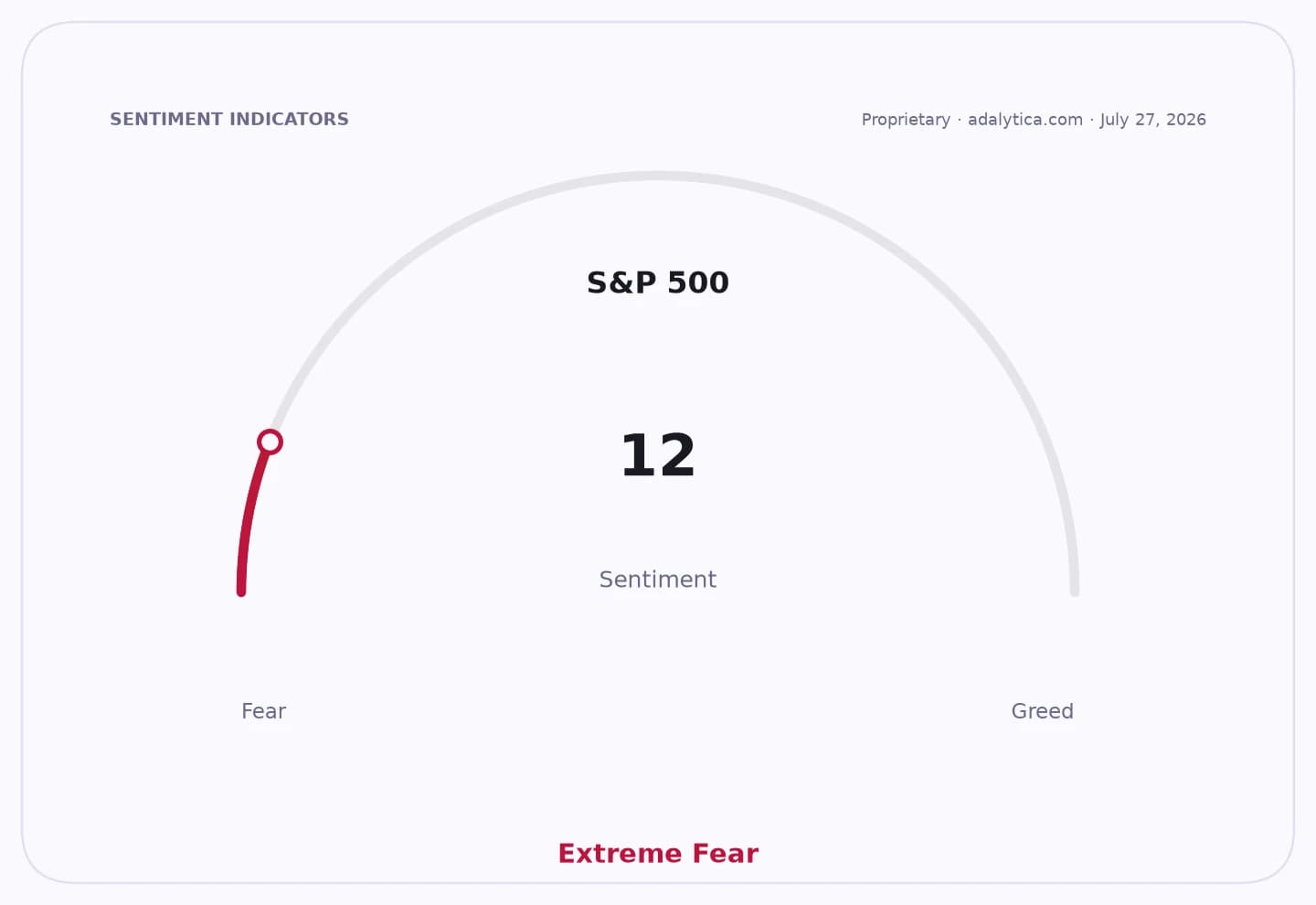
Healthcare providers are being squeezed by a mix of elevated interest rates, tighter credit conditions and uneven operating cash flow, making liquidity the sector’s most immediate financial risk even as policymakers push digital upgrades and broader access.
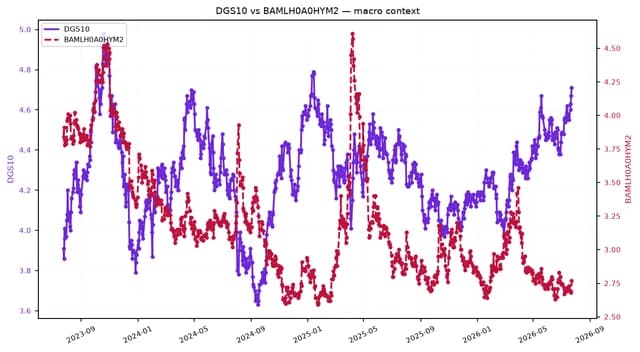
The pressure matters because hospitals and managed-care operators are capital-intensive businesses that rely on steady funding to cover payroll, medical claims, debt service and technology investment. With the 10-year Treasury yield holding around 4.71% and forecast to rise to 4.749% on July 24, refinancing stays expensive just as high-yield credit stress remains sticky, with the Bloomberg high-yield spread measure near 2.77 percentage points.
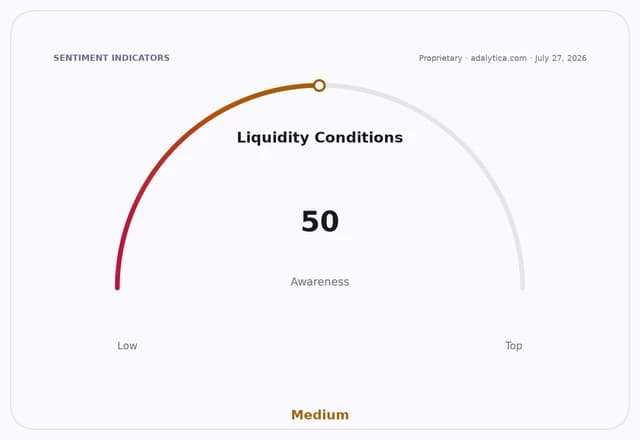
That backdrop leaves little room for error. Health-care names that need to refinance or draw on credit facilities face a higher cost of capital, while weaker reimbursement, delayed collections or rising labor and consulting costs can quickly turn a manageable balance sheet into a liquidity problem. In recent SEC filings, Tenet Healthcare said it may need additional capital markets, bank credit or other financing depending on its needs, and warned liquidity could be hurt by a deterioration in operating results.
Investors are already repricing that risk unevenly across the group. Tenet Healthcare has rallied sharply to $242.64 from $183.69 on July 14, but the move has been accompanied by technical momentum rather than a clean shift in fundamentals, with its 50-day moving average still well below the stock’s recent price and RSI readings in the high 60s. HCA Healthcare has been steadier, though its shares remain below the 200-day moving average and RSI sits in the mid-30s, suggesting the market is not yet convinced the liquidity strain is fully behind the sector.
UnitedHealth Services, meanwhile, reflects how quickly sentiment can swing when financing headlines hit. The stock jumped to $158.98 on July 27 after trading as low as $144.23 on July 14, while its 10-Q and recent debt disclosures show the company is still actively managing leverage and funding needs. For lenders and bondholders, that makes covenant strength and access to revolving credit lines just as important as earnings growth.
The broader economic story is that healthcare demand is defensive, but healthcare balance sheets are not. If rates stay near current levels and credit spreads widen again, operators with heavy debt loads or weak operating leverage could be forced to slow expansion, cut discretionary spending or tap capital markets on less favorable terms. The next catalyst is likely to be earnings, updated guidance and any fresh commentary on refinancing needs or debt issuance.
| Entity | Gains | Losses |
|---|---|---|
| Lenders/banks | ▲Higher interest income | ▼Greater default risk |
| Stronger operators | ▲Better relative funding access | ▼Limited margin for error |
| Levered hospital chains | ▲Defensive demand tailwind | ▼Rising refinancing costs |
| Bondholders/shorts | ▲Wider spread potential | ▼Equity upside if liquidity improves |