Healthcare staffing crunch keeps wage pressure high
US healthcare providers and policymakers are moving to ease a persistent staffing crunch with proposals centered on higher pay, stronger management and less bureaucracy, a shift that could help hospitals and care operators stabilize labor costs but also keep wage pressure elevated for the sector.
The labor squeeze matters because healthcare remains one of the economy’s largest employers and one of the hardest-hit industries for recruitment and retention. Even as demand for care stays resilient, providers have been forced to raise salaries, lean on overtime and spend more to attract nurses, support staff and managers, squeezing margins across hospitals, home health and long-term care.
For investors, the issue is a mixed bag. Higher wages can protect staffing levels and reduce service disruptions, but they also limit the room for margin recovery at operators already contending with inflation, reimbursement pressure and heavy personnel costs. HCA Healthcare, for example, has flagged personnel-related capacity constraints, rising wages and the challenge of retaining qualified nurses and physicians in its filings.
The market has already shown how sensitive healthcare names are to labor and reimbursement headlines. HCA shares are up sharply from April lows but remain below their 200-day moving average, while UnitedHealth has recovered part of this year’s selloff after a deep drawdown tied to funding and care-cost concerns. CVS has also bounced from earlier weakness, underscoring how quickly sentiment can swing when cost and policy risks shift.
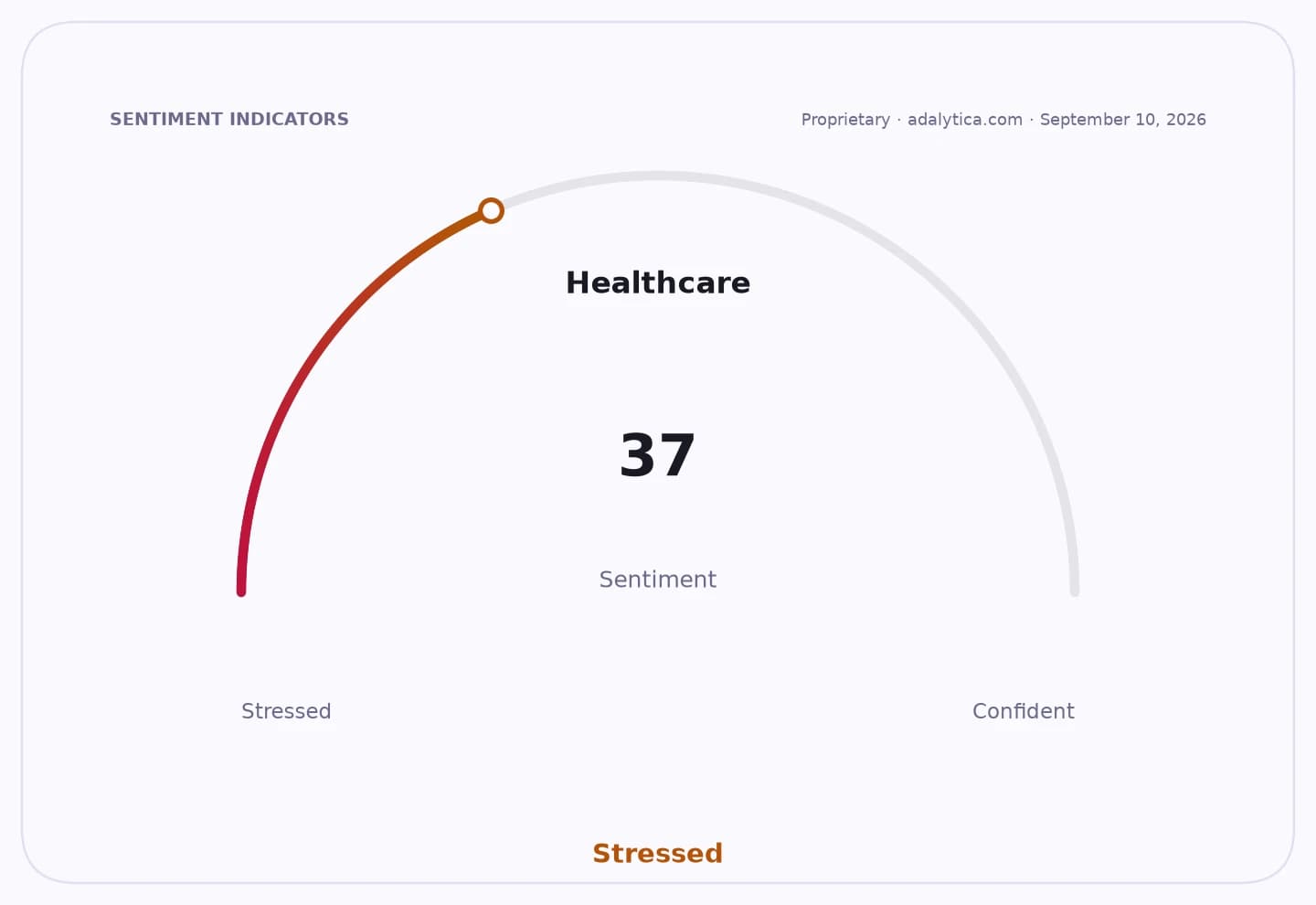
Adalytica’s healthcare spending gauge currently sits at neutral, while its wage inflation sentiment reading has jumped, reflecting the market’s focus on labor costs rather than top-line growth. That leaves the sector caught between the need to hire enough staff to meet patient demand and the pressure to keep payroll from outrunning reimbursement.
The bigger narrative is that healthcare reform is now being framed less around headline coverage changes and more around operating efficiency: pay workers more, reduce admin friction and improve leadership to keep staff in place. The test for investors will be whether those fixes can improve throughput and service quality without embedding a higher cost base into an already margin-sensitive industry.
| Entity | Gains | Losses |
|---|---|---|
| Healthcare workers | ▲Higher pay, better retention | ▼Less leverage if reform stalls |
| Hospitals and operators | ▲Easier hiring, lower turnover | ▼Higher payroll costs |
| Patients | ▲Better staffing, shorter delays | ▼Risk of higher care costs |
| Insurers/payers | ▲More stable provider networks | ▼Pressure from higher reimbursement demands |