Heat waves raise costs for healthcare and outdoor labor
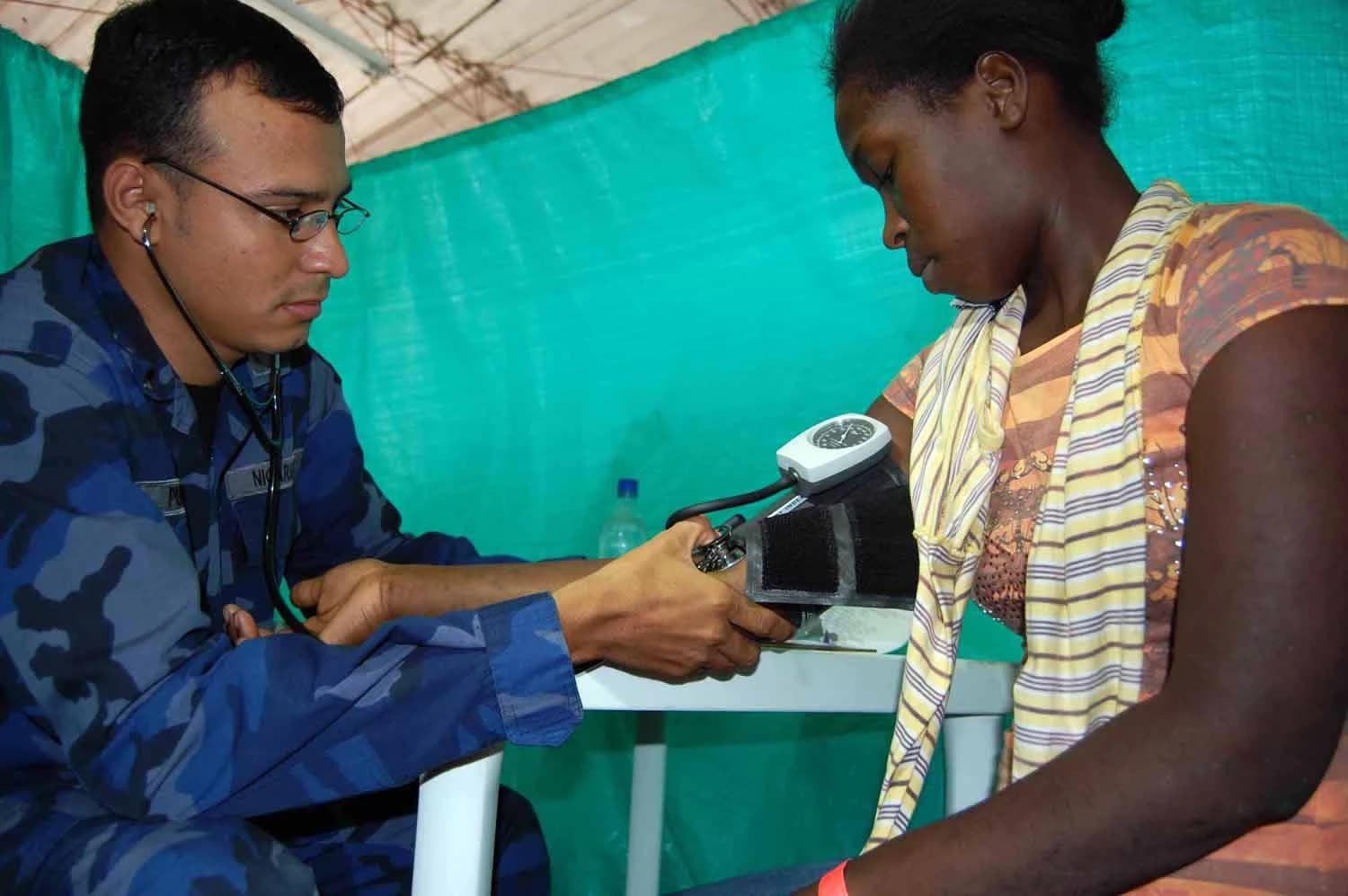
Staying outside in prolonged heat can raise blood pressure and strain the heart, a warning that matters economically because extreme temperatures are now a recurring public-health shock with real costs for healthcare systems, workers and consumers.
The clinical message is simple: heat exposure is not just uncomfortable, it can alter the body’s cardiovascular balance. Dehydration and heat stress make it harder to maintain stable blood pressure, increasing the risk of complications for older adults, people with heart disease and anyone exposed for long periods without adequate fluid intake. As heat waves intensify across more regions, the warning lands at a time when public-health officials and employers are increasingly focused on avoiding preventable hospitalizations and lost productivity.
That has broader macro implications. Hotter weather can reduce labor output in outdoor and physically demanding jobs, lift emergency-room visits and increase demand for cooling, water and medical services. For households, it can also change discretionary spending patterns as people shift away from outdoor activities and toward utilities, hydration products and indoor recreation. Adalytica’s consumer spending sentiment snapshot shows sentiment at 50, neutral, while awareness is at an extreme-greed reading of 100, suggesting the public remains highly attentive to spending conditions even as confidence has cooled in some areas. Retail-goods sentiment, by contrast, sits at 18, in fear territory, underscoring how uneven consumer behavior can become when weather and price pressures collide.
Investors should care because heat risk is not confined to healthcare. It can ripple through insurers, hospitals, utilities, consumer staples and leisure operators, while creating temporary demand spikes in categories tied to hydration, cooling and home comfort. At the same time, persistent heat can pressure margins for businesses with outdoor workforces or supply chains exposed to weather disruptions. That makes summer temperature trends a factor in earnings estimates, not just a public-health headline.
The market backdrop is still broadly constructive, with the S&P 500 trade-signal snapshot at 86, in extreme-greed territory, but the health and weather overlay is a reminder that macro calm can be punctured by localized shocks. The bullish case is that such events are transient and support sales of essential goods and services. The bearish case is that repeated heat waves become another drag on labor, healthcare and consumer resilience just as investors are pricing in smooth demand.
For now, the practical takeaway is that hotter days are not only a medical issue. They are a demand, cost and productivity story that investors may need to watch more closely as climate-driven extremes become more frequent.
| Entity | Gains | Losses |
|---|---|---|
| Healthcare providers | ▲More patient demand | ▼Higher strain on capacity |
| Hydration and cooling brands | ▲Higher seasonal sales | ▼Price-sensitive consumers |
| Outdoor workers | ▲Heat-safety focus | ▼Productivity loss |
| Employers and insurers | ▲Risk planning incentives | ▼Higher claims and absenteeism |