Helium Ban Highlights Supply-Chain Risk
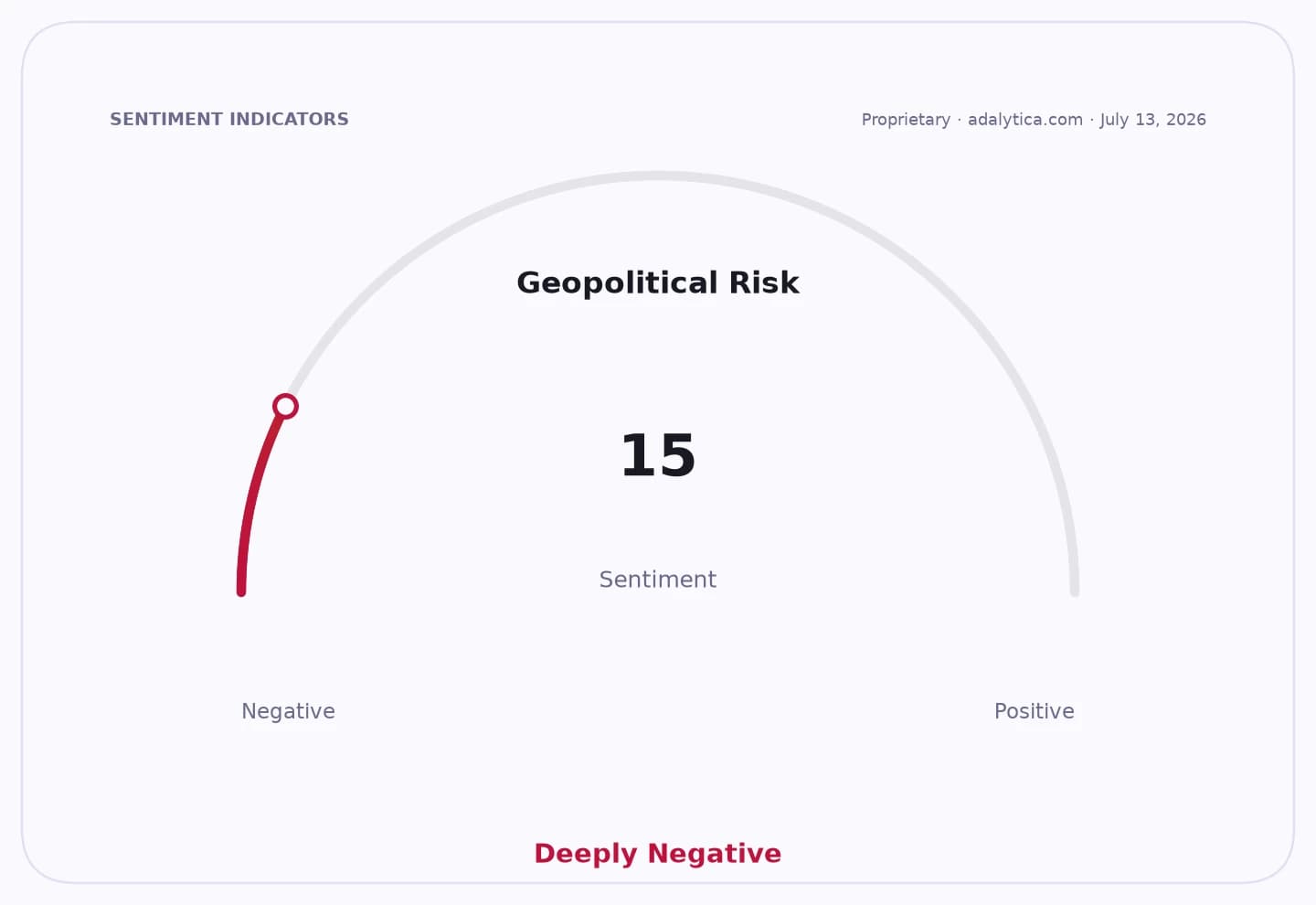
China’s abrupt ban on helium exports is a reminder that the next trade-war shock may come from a niche industrial input, not a headline-grabbing tariff.
For investors, that matters because helium is not a commodity with deep slack in the system. It is essential in semiconductors, medical imaging, research, fiber optics and some advanced manufacturing, which means even a temporary disruption can ripple through supply chains and nudge costs higher in the very sectors that rely on precision, clean-room processing and high-end technology.
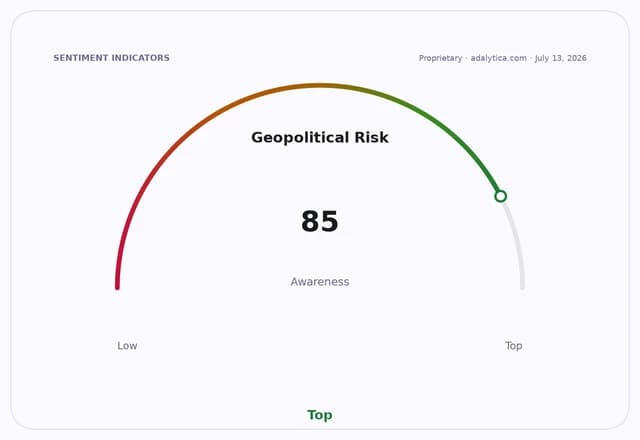
The economic logic is straightforward. Beijing is tightening control over strategic materials as domestic demand rises and geopolitical tensions stay elevated. In the near term, that likely means a tighter global helium market, firmer prices and more bargaining power for producers outside China. It also reinforces a broader lesson from the trade war era: resource security is becoming policy, and policy is becoming a market risk.
The reaction in China-linked assets shows how quickly investors are recalibrating. FXI, the large-cap China ETF, has slipped to about $33.48 from above $40 earlier in the year, while Alibaba and JD.com have also lost ground from their recent highs. Those moves reflect more than one export restriction, but they underline the point that investors are still willing to price in a heavier geopolitical discount when Beijing tightens the screws on trade.
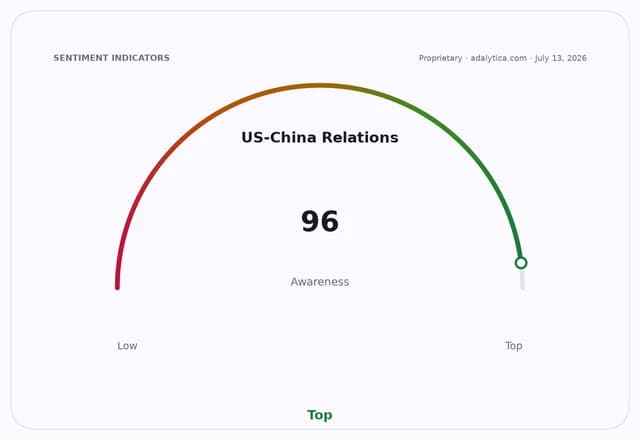
At the same time, credit and rates markets are signaling that the macro backdrop is not one of panic. The U.S. 10-year Treasury yield sits around 4.58%, while high-yield credit spreads are near 2.68 percentage points, suggesting investors are cautious but not running for the exits. That’s important because supply shocks like this can lift costs without immediately triggering a broader financial stress event, which makes them especially hard to trade and easy to underestimate.
The long-term investment takeaway is that China’s export controls are becoming part of the operating environment, not an exception to it. That should favor companies with diversified supply chains, strong pricing power and less dependence on single-source inputs. It also argues for patience and diversification rather than chasing every headline in China stocks or commodity plays.
For buy-and-hold investors, the helium ban is worth watching because it may be less about helium itself than about the next phase of the U.S.-China economic rivalry: more strategic restrictions, more supply-chain friction and more opportunities for firms that can adapt faster than their competitors.
| Entity | Gains | Losses |
|---|---|---|
| Non-China helium suppliers | ▲Higher prices | ▼None |
| Helium users in healthcare and tech | ▲Supply alternatives over time | ▼Higher input costs |
| Chinese policymakers | ▲More resource leverage | ▼Short-term export revenue |
| China-linked equities | ▲Selective rerating if policy steadies | ▼Geopolitical discount |