Helsinki ethnic grocery growth and retail demand
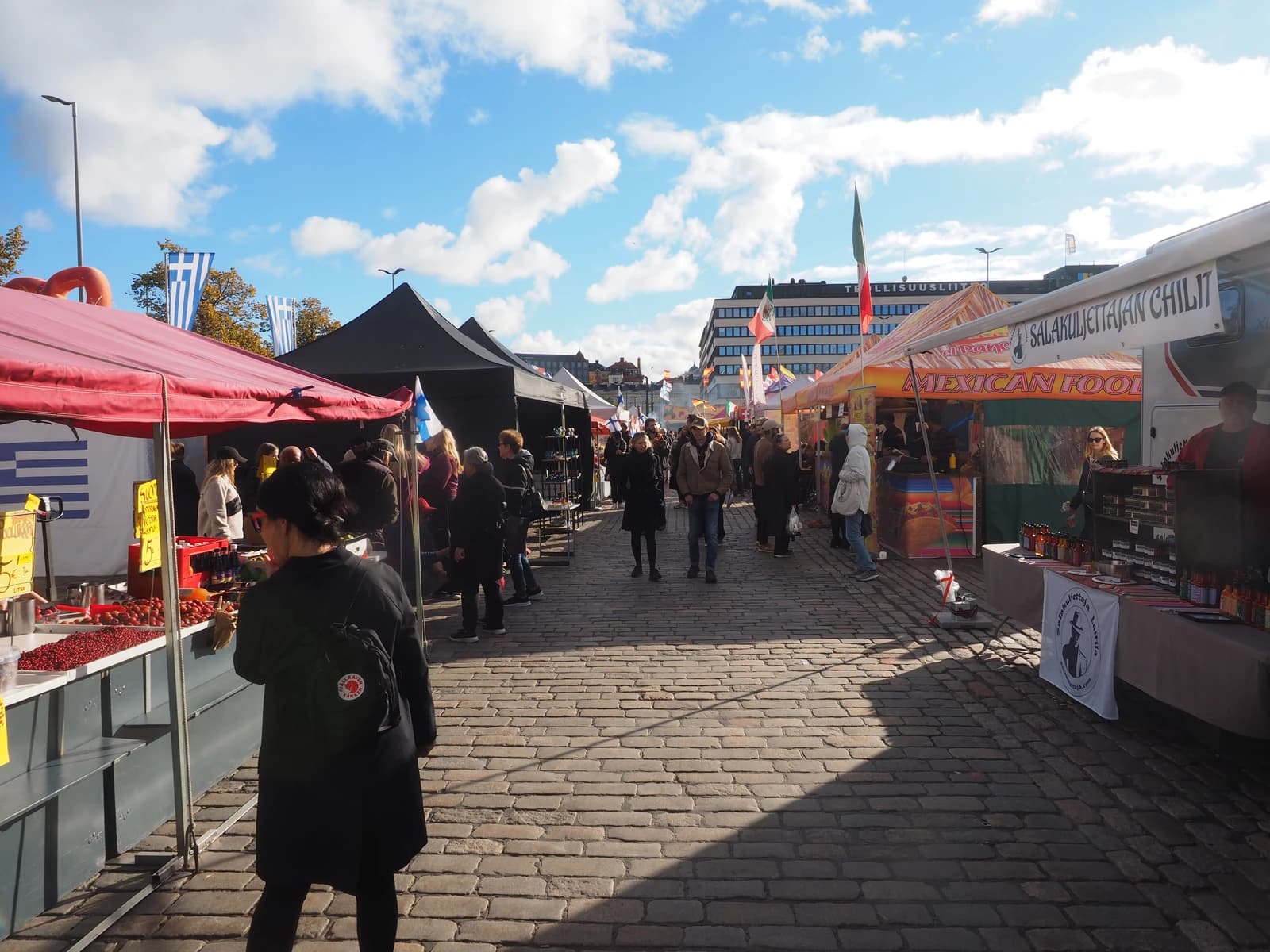
Helsinki’s fast-growing ethnic grocery scene is becoming a real business opportunity, and investors should pay attention because it points to a durable shift in how Europe’s consumers shop. As immigration broadens the city’s food culture, demand is moving away from a single “mainstream” basket and toward specialty stores that serve diaspora communities, adventurous local shoppers and price-conscious households looking for value.
That matters economically because grocery retail is usually a low-margin, high-volume business where small changes in customer habits can make a big difference. When a neighborhood can support more ethnic grocers, it usually means population mix is changing, spending patterns are diversifying and landlords are willing to back retailers with proven foot traffic. In other words, this is not just a cultural story — it is a sign of where everyday consumer money is flowing.
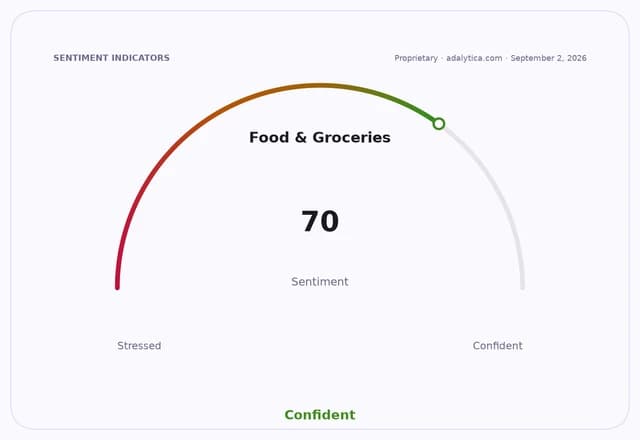
The pattern also fits a broader regional backdrop. Europe’s consumer landscape has been under pressure from inflation, but ethnic grocers often benefit when shoppers trade down from more expensive mainstream chains or look for fresher, more specialized products at better prices. That makes the segment resilient even when broader consumer sentiment wobbles. Adalytica’s Food and Grocery Spending Sentiment is currently neutral, while its awareness reading sits in “Extreme Fear,” a combination that can be uncomfortable for the market but often favorable for value-oriented food retailers that know how to serve practical demand.
For public investors, the key takeaway is that grocery growth does not always come from flashy innovation. Sometimes it comes from demographics, migration and the simple fact that communities want stores that reflect how they actually eat. Companies with strong local positioning, disciplined inventory and the ability to serve multiple customer groups can compound steadily over time. That is the kind of business long-term investors should respect, especially in a sector where scale and repeat purchasing matter more than headlines.
The opportunity is not without risk. Competition can intensify quickly, margins stay thin and consumer spending can soften if the economy cools. But the underlying theme is powerful: as Helsinki changes, so does its retail map. For investors looking years ahead, ethnic grocery expansion is worth watching as part of a larger Europe consumer reallocation story.
| Entity | Gains | Losses |
|---|---|---|
| Ethnic grocers | ▲More foot traffic | ▼None immediately |
| Mainstream supermarket chains | ▲Specialty spillover traffic | ▼Basket share |
| Immigrant communities | ▲Better product access | ▼Less choice in small towns |
| Landlords in growth neighborhoods | ▲Higher lease demand | ▼Vacant retail space |