Hidroelectrica to Raise Household Power Bills 7%
Hidroelectrica is set to make electricity more expensive for its more than 1.2 million household customers in Romania, lifting the final bill by about 7% from October as drought, weak hydro output and costly power purchases squeeze the country’s biggest generator and supplier.
The move matters because Hidroelectrica has been the benchmark low-cost supplier for Romanian households. Even after the increase, it remains among the cheapest options on the market, but the repricing shows how quickly a weather shock can flow through to consumer inflation and household budgets. In a market where utilities are often viewed as defensive, the company is now passing on higher replacement costs rather than absorbing them.
Under the new contracts, the active energy price will rise 13%, to 0.515 lei per kWh from 0.45 lei, before network tariffs and taxes. That translates into final billed prices ranging from 1.19 lei per kWh in the Rețele Electrice zone to 1.27 lei in Delgaz Grid, up from 1.11 lei and 1.19 lei respectively. Hidroelectrica has already started notifying customers whose agreements are nearing expiry.
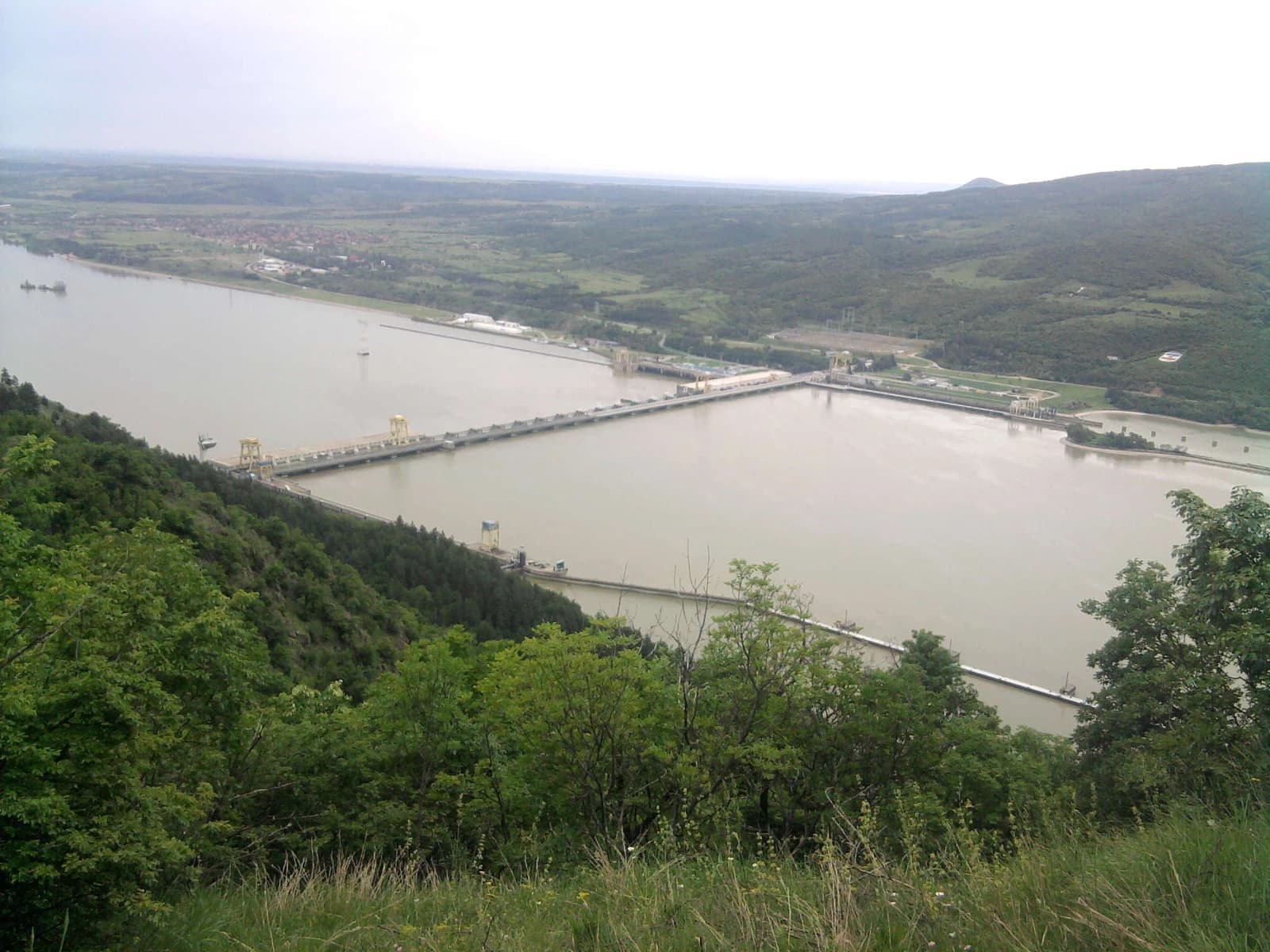
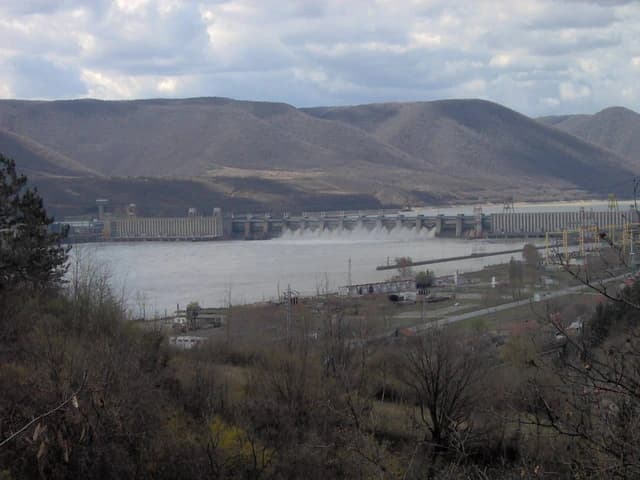
The timing reflects a broader squeeze in Romania’s power system. Low water levels on the Danube have reduced output at major hydro assets such as the Iron Gates complex, while supply constraints have even forced temporary shutdowns at the Cernavodă nuclear plant. As renewable output eases into the colder months, Hidroelectrica has been buying electricity on the forward market at prices reported to be around 900 lei per MWh, far above the levels it has traditionally been able to rely on from its own generation.
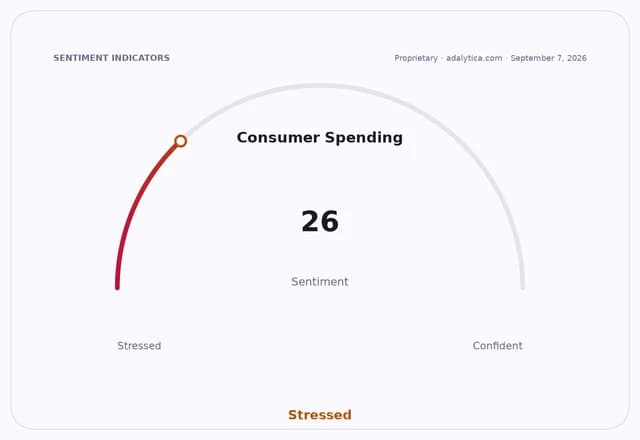
For consumers, the increase is still manageable in relative terms, but it adds another layer of pressure at a time when household sentiment is already weak and savings buffers are thinning. For Romania’s broader economy, higher regulated-and-market-linked utility costs feed directly into inflation and erode real disposable income, especially for lower-income households with a higher share of spending on energy.
For investors, the story cuts both ways. The price hike supports Hidroelectrica’s revenue and margin defense in the short term, helping protect a company that reported a 62% rise in first-half net profit to 2.57 billion lei. But it also underscores the vulnerability of earnings to hydrology and power-market volatility. If dry conditions persist, the company may continue to face a difficult tradeoff between preserving market share and protecting profitability.
The key question now is whether October’s higher tariffs prove to be a one-off adjustment or the start of a more persistent repricing cycle across Romania’s electricity market. Much will depend on rainfall, river flows, wholesale power costs and the extent to which the winter season forces utilities to keep leaning on expensive market purchases.
| Entity | Gains | Losses |
|---|---|---|
| Hidroelectrica | ▲protects margins | ▼risks customer backlash |
| Households | ▲retain access to low-cost supplier | ▼face higher bills |
| Competing utilities | ▲may narrow price gap | ▼lose low-price advantage |
| Romania’s inflation outlook | ▲none | ▼gets fresh upward pressure |