High Rates Stall NYC Office Conversions
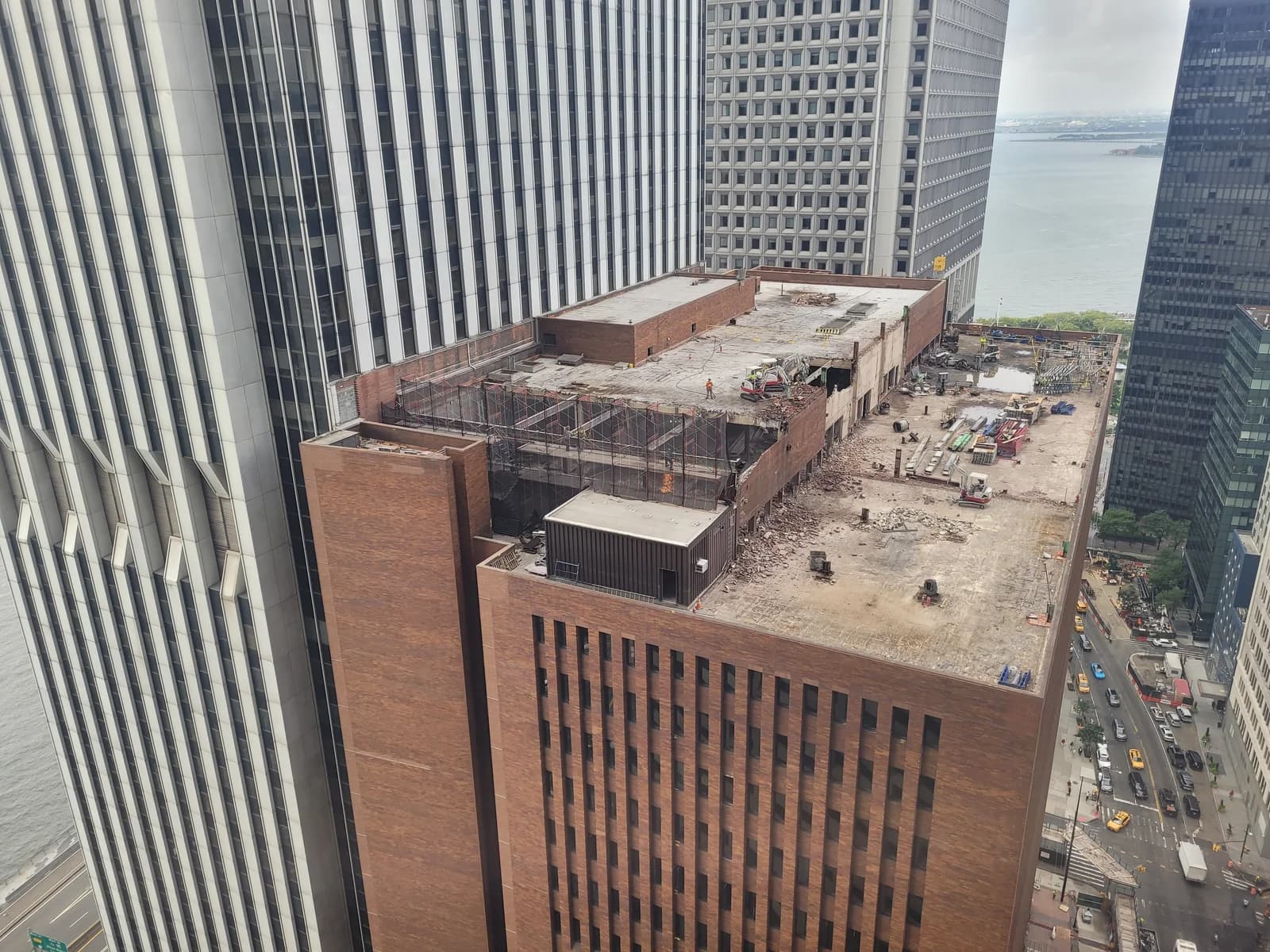
Elevated borrowing costs are undermining the economics of New York City office-to-residential conversions, turning a politically popular fix for empty towers and scarce housing into a harder sell for developers and lenders.
The warning from a New York City real estate executive cuts to the central problem facing Manhattan landlords: obsolete office space may need to be repurposed, but conversion projects require large upfront capital at a time when financing remains expensive and property values are still adjusting. The 10-year Treasury yield was 4.56% on July 8 and is forecast at 4.578% for July 9, while the effective federal funds rate held around 3.63% in June, keeping pressure on construction loans, refinancing costs and required returns.
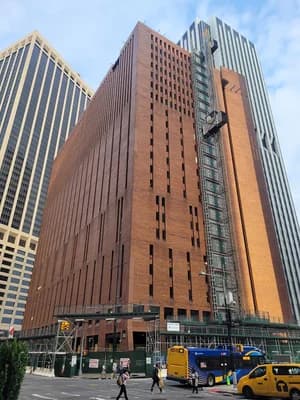
That matters economically because conversions sit at the intersection of two of New York’s biggest post-pandemic imbalances: excess office supply and constrained housing supply. Turning offices into apartments could help stabilize commercial districts, support the city’s tax base and add rental units in a market where national home prices are still rising. The S&P CoreLogic Case-Shiller U.S. National Home Price Index climbed to 332.678 in April, up 0.77% from March, underscoring persistent housing-cost pressure.
The gap between need and feasibility is showing up in public-company disclosures. SL Green Realty, one of New York’s largest office landlords, cited the effect of general economic, geopolitical, business and financial conditions on the New York City real estate market in its latest quarterly filing. The company also disclosed expected development or redevelopment expenditures of $22.5 million on existing consolidated properties, with only $2.8 million to be funded by construction financing facilities or loan reserves.
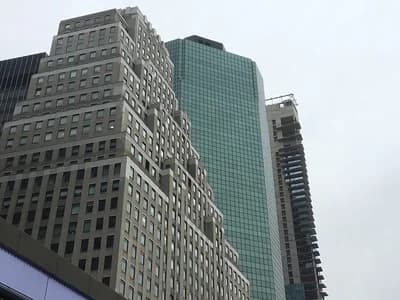
Empire State Realty Trust said the real estate sector is navigating uncertainty around inflation, interest rates, tariffs, economic growth and geopolitical unrest, and pointed to concerns over refinancing existing liabilities. Vornado Realty Trust said it is evaluating development and redevelopment opportunities in Manhattan, including the PENN District, while cautioning there can be no assurance such projects proceed.
For investors, the conversion debate is less about urban planning than balance-sheet math. If financing costs stay high, landlords may have to choose between holding underused office assets, selling at discounted values or committing capital to complex projects with uncertain payback periods. That uncertainty helps explain why New York office REIT shares remain sensitive to rate moves and redevelopment signals.
SL Green closed at $48.33 on July 9, down from $53.42 on July 2, though still above its 50-day and 200-day moving averages, conventional technical indicators watched by market participants. Vornado closed at $38.09, above both its 50-day and 200-day moving averages, while Empire State Realty Trust ended at $5.39, below its 200-day moving average. Proprietary Adalytica.com gauges show commercial REIT sentiment at a neutral 61, while awareness remains in “fear,” a sign investors are still wary of the sector despite periodic rallies.
The market is more constructive on housing and rent inflation, where Adalytica.com sentiment stands at 74, labeled “greed.” That split captures the investment dilemma: residential demand may be strong enough to justify more supply, but office landlords still need lower capital costs, tax incentives or cheaper asset bases to make many conversions pencil out.
The next test will be whether New York can narrow that funding gap through policy changes, zoning relief or public incentives before higher-for-longer rates force more office owners to delay projects, restructure debt or accept lower valuations.
| Entity | Gains | Losses |
|---|---|---|
| Apartment renters | ▲More potential supply | ▼Delayed relief if projects stall |
| Office landlords | ▲Optionality from conversions | ▼High funding and redevelopment costs |
| Lenders | ▲Stronger collateral if projects work | ▼Refinancing and execution risk |
| NYC tax base | ▲Revived buildings and districts | ▼Prolonged office vacancies |