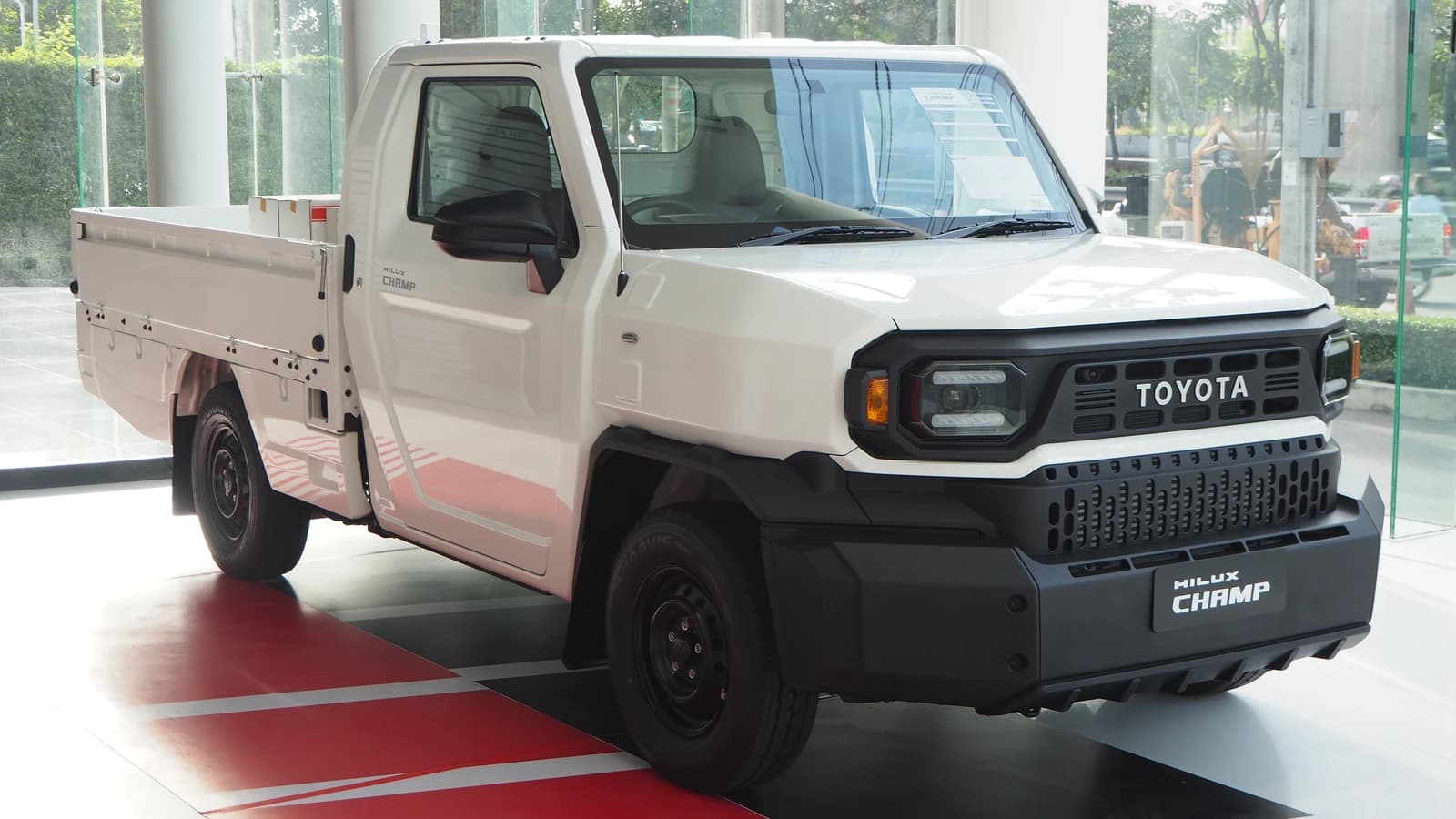
Toyota Hilux overtook Ford Ranger to become Vietnam’s best-selling pickup model in June 2026, a small headline with a bigger message: buyers in one of Southeast Asia’s fastest-growing markets are still spending, but they are also proving selective about value, durability and brand trust.
Hilux Tops Ranger in Vietnam Pickup Market
That matters economically because pickups sit at the intersection of consumer demand, small-business activity and trade-driven logistics. In Vietnam, where import flows from the United States jumped 26.7% in the first half of 2026 and two-way trade topped $97 billion, the pickup segment is a useful real-time gauge of confidence. When a model changes hands at the top, it is usually not just about badges and bragging rights. It often reflects who is offering the right mix of price, product freshness, financing and resale appeal at the moment buyers are ready to commit.
For Toyota, the rebound reinforces a familiar investment theme: the company’s most durable advantage is not flashy design, but breadth of appeal. The Hilux is a workhorse, and in markets like Vietnam that can be enough to win over fleet buyers, contractors and families who want one vehicle that can do a little of everything. For Ford, the Ranger losing its lead does not amount to a thesis change by itself, but it does show how competitive the pickup market has become. Even strong brands can be nudged aside when rivals sharpen incentives, launch newer trims or better align supply with local demand.
The broader backdrop helps explain why this contest matters to long-term investors. Vietnam is still expanding its infrastructure and trade capacity, which supports demand for commercial vehicles and private transport alike. At the same time, rising shipping costs and a more expensive logistics chain are reminding manufacturers that growth does not come free. Companies with local scale, efficient distribution and pricing power will be better positioned than those forced to chase volume at the expense of margin.
Ford’s stock has reflected that tug-of-war. Recent technical readings show the shares trying to stabilize after a weak stretch, with the stock trading around its 50-day moving average and momentum indicators improving from oversold levels. Toyota’s U.S.-listed shares, meanwhile, have been range-bound and have also recovered from a sharper pullback earlier in the year, underscoring that both automakers are navigating a market that still rewards operational discipline more than excitement.
For investors, the lesson is not to overreact to a single month’s sales table. It is to watch which automakers keep winning in high-growth markets where vehicle ownership is still developing and brand loyalty can compound over time. If Toyota can keep the Hilux ahead in Vietnam, it strengthens the case that its global lineup remains resilient even in contested segments. If Ford can win the Ranger back, it would signal that the brand’s truck franchise still has room to expand internationally. Either way, this is the kind of incremental competitive shift long-term investors should add to a watchlist, not a trading screen.
| Entity | Gains | Losses |
|---|---|---|
| Toyota | ▲Pickup share in Vietnam | ▼Ford Ranger rivalry momentum |
| Ford | ▲Push to refresh the Ranger | ▼Best-selling pickup status |
| Vietnamese buyers | ▲More model competition | ▼None clear |
| Investors in global auto makers | ▲Clarity on market share trends | ▼Surprise from margin pressure |