Hollywood October Films on Zuckerberg, Musk, Altman
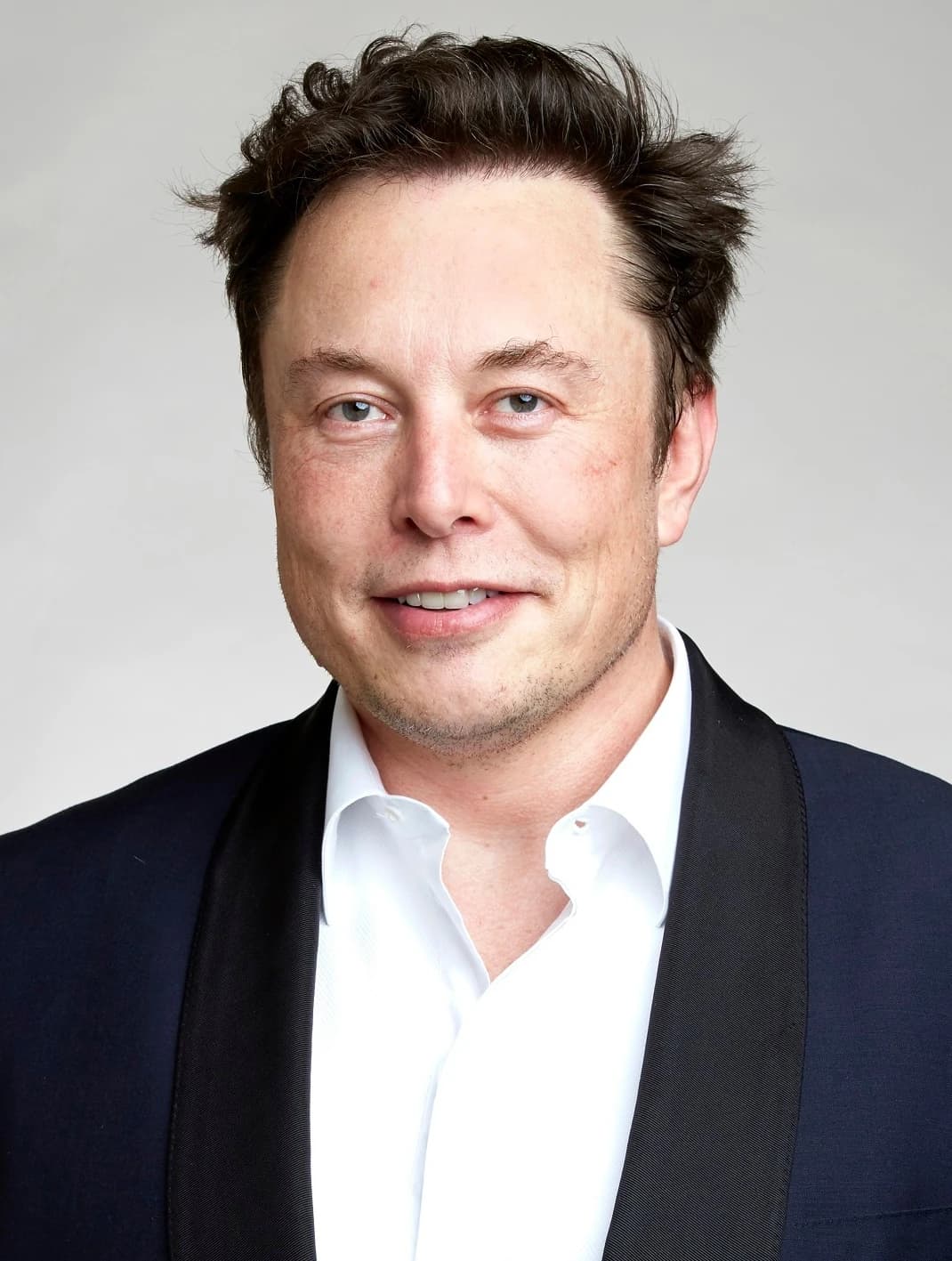
Hollywood’s rare October cluster of films about Mark Zuckerberg, Sam Altman, Elon Musk and Elizabeth Holmes is turning Silicon Valley’s most controversial founders into a commercial and cultural event.
The significance goes beyond a few prestige releases. Four projects arriving within days of each other turn tech-industry leadership into a single, highly marketable narrative at a moment when public suspicion of Big Tech, AI power concentration and founder worship remains elevated. That gives the films a ready-made audience, but it also makes them a test of whether Silicon Valley’s most famous figures have become durable box-office villains.
The most immediate commercial stakes are concentrated in the theatrical market. Aaron Sorkin’s “The Social Reckoning,” a follow-up to “The Social Network,” opens wide on Oct. 9 with Jeremy Strong as Zuckerberg. Luca Guadagnino’s “Artificial,” featuring Andrew Garfield as Altman, bows at the New York Film Festival on Oct. 5 before a limited Dec. 25 release. Alex Gibney’s nearly four-hour “Musk” lands in select theaters on Oct. 16 after Venice, while Nathan Fielder and Lance Oppenheim’s “You Can See Everything” arrives the same day on Elizabeth Holmes. A November Netflix series on FTX founder Sam Bankman-Fried extends the theme into streaming.
For investors, the pileup matters because it shows how entertainment is monetizing the backlash against the tech elite. Silicon Valley executives remain central to capital markets, AI infrastructure spending and the broader growth trade, but in Hollywood they are increasingly being packaged as cautionary figures whose ambition outruns ethics. That duality helps explain why the subject keeps returning: tech continues to dominate the economy, while the cultural response increasingly frames its leaders as overreaching, reckless or self-mythologizing.
The timing is also notable for studios and distributors. Three teaser trailers landed within 48 hours, helping create a rare burst of awareness around projects that otherwise might have been viewed as niche prestige fare. Two of the documentaries have already screened at festivals and both are sitting at 100% on Rotten Tomatoes, giving them early critical momentum. By contrast, the scripted projects have yet to screen publicly and have already drawn skepticism, including concerns that “The Social Reckoning” will struggle to match the appeal of its predecessor and that “Artificial” may have run into distribution resistance because of its subject matter.
That mix suggests a split market. The documentary titles could benefit from their festival heat, meme-ready marketing and the enduring public appetite for real-world corporate scandal. The scripted films need stronger narrative execution to overcome sequel comparisons and skepticism around whether audiences want another dramatization of billionaire-founder dysfunction. Either way, the release cluster underscores that tech founders have become one of Hollywood’s most reliable shorthand antagonists, especially when the stories involve secrecy, scale, hubris and collapse.
For the studios, the upside is cultural relevance and built-in search demand around Zuckerberg, Musk, Altman and Holmes. For the tech names themselves, the downside is reputational: these films reinforce a public narrative that the people shaping AI, social media and venture capital operate with extraordinary power and thin accountability. If the October run lands with audiences, expect more founder-focused projects to follow. If it flops, it will suggest that even Silicon Valley’s most notorious figures have a limited shelf life as movie villains.
| Entity | Gains | Losses |
|---|---|---|
| Film studios/distributors | ▲Prestige buzz; built-in audience | ▼Box-office risk |
| Documentary projects | ▲Festival heat; viral marketing | ▼Long runtimes |
| Silicon Valley critics | ▲Cultural validation | ▼Tech founder reputation |
| Tech moguls portrayed | ▲Public attention | ▼Flattering portrayal |