Home Depot widens food-vendor program at stores
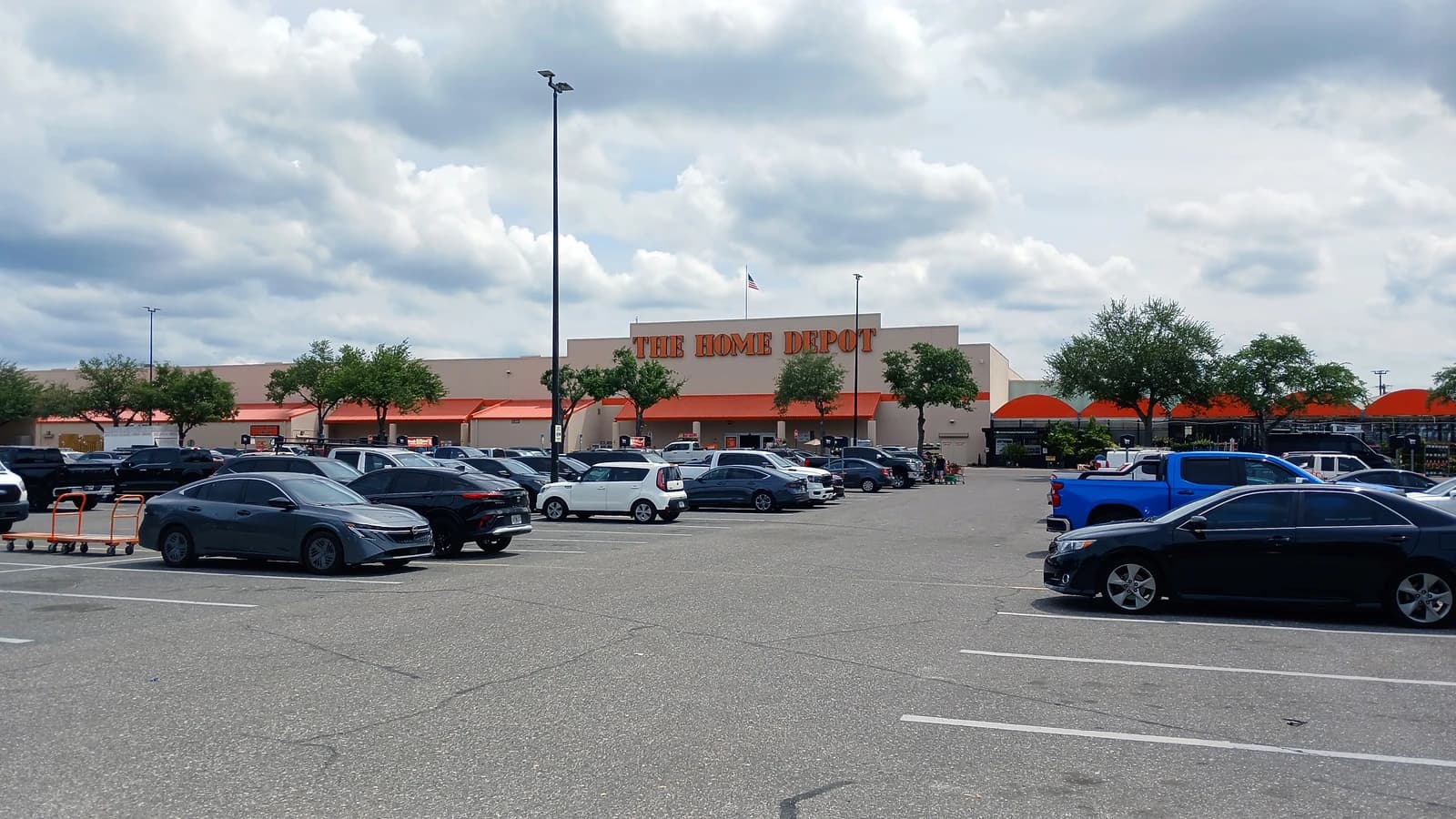
Home Depot is widening its food-vendor program in an effort to make store trips feel less transactional and more like a destination, borrowing a page from Costco’s long-running food court formula.
The move matters because Home Depot is trying to add a low-cost convenience perk that can keep contractors and DIY shoppers on-site longer, increase basket size and strengthen customer loyalty at a time when the home-improvement market remains uneven. Unlike Costco’s standardized food courts, Home Depot is leaning on local and regional food trucks outside stores, a cheaper and more flexible way to improve the shopping experience without taking on the operating burden of a full cafeteria model.
The strategy also fits the way Home Depot sells. Renovation customers often spend hours picking up materials, then discover they need another item or another run to the store. Food vendors can soften that friction, especially around busy weekend traffic, while also giving the company a more community-oriented image.
For investors, the pitch is less about food itself than about traffic and attachment rates. Home Depot has been trying to protect sales as consumer spending on big-ticket projects cools, and any initiative that nudges more visits or longer dwell time can help. Home Depot shares were last at $308.74, below their 50-day moving average of $333.65 and the 200-day moving average of $338.28, with a relative strength index of 24.5, underscoring the recent pressure on the stock.
The contrast with Costco is also deliberate. Costco’s $1.50 hot dog-and-soda combo and broader food court have become part of its membership pitch, reinforcing value and repeat visits. Costco is still expanding aggressively, with more than a dozen warehouse openings planned across the US and Canada before year-end, highlighting how powerful the loyalty model has been for the warehouse club.
Home Depot is not trying to become Costco. But by using food trucks and local vendors, it is signaling that even in a slower housing cycle, retailers are looking for small operational tweaks that can deepen engagement and keep customers spending on premises. The key question for Wall Street is whether the perk translates into more traffic and higher spend per visit as Home Depot heads into the next stretch of demand data and earnings updates.
| Entity | Gains | Losses |
|---|---|---|
| Home Depot | ▲More store dwell time | ▼Higher operational complexity |
| Costco | ▲Validation of loyalty model | ▼Perk differentiation narrows |
| Customers | ▲Food convenience on-site | ▼Fewer unique reasons to visit Costco |
| Food vendors | ▲Access to store traffic | ▼Reliance on local demand swings |