Home goods discounts deepen at Pottery Barn and Macy's
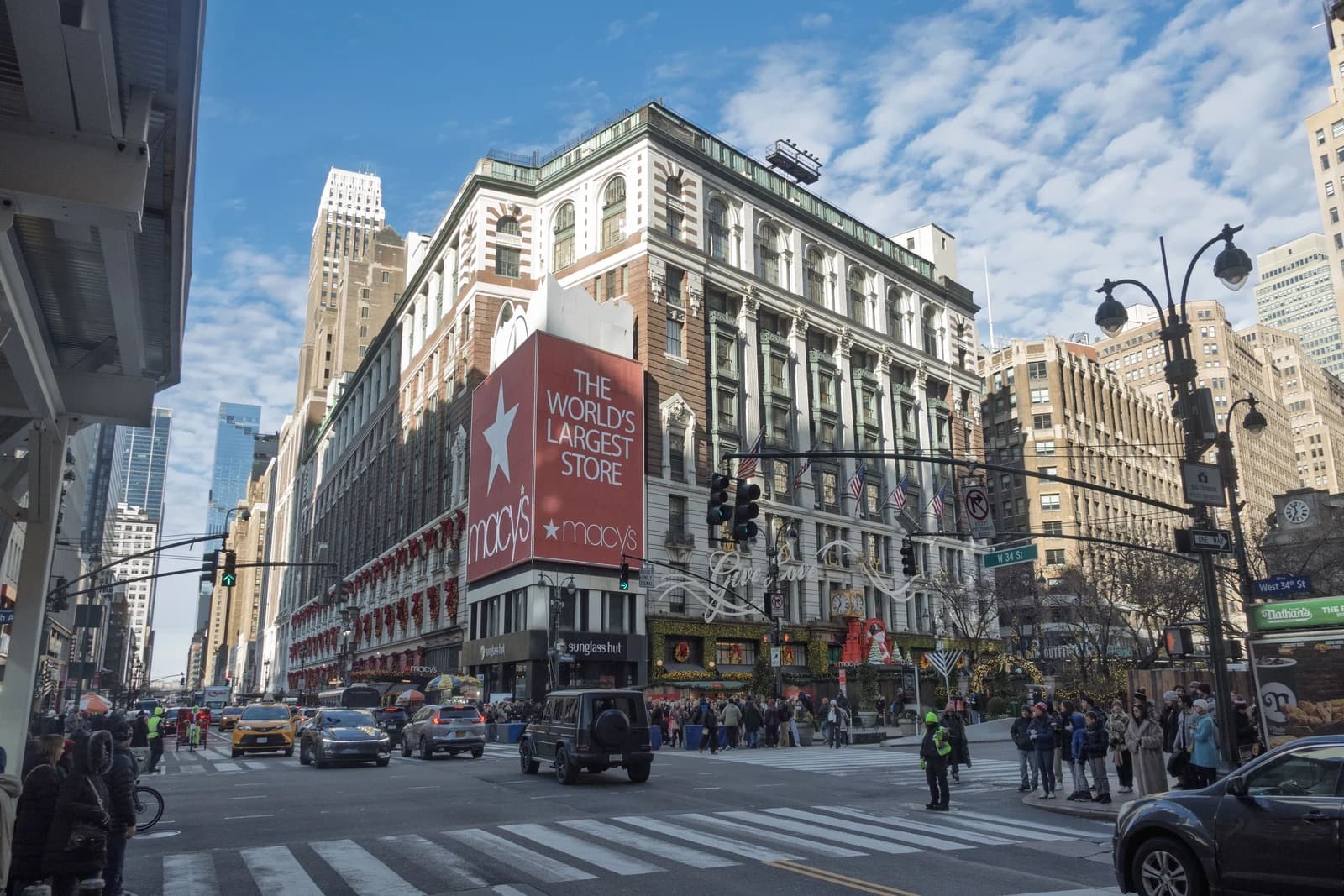
Home goods discounts are deepening just as the sector’s underlying demand looks uneven, with major retailers leaning on promotions to clear inventory and protect traffic in a softer housing and spending environment.
The shopping event anchored by Pottery Barn, West Elm, Macy’s and other chains highlights a basic tension in home retail: consumers are still buying, but they are increasingly price-sensitive, forcing brands to offer discounts of up to 80% to move product. That matters because home furnishings are a discretionary category tied closely to housing turnover, renovation cycles and household confidence. When sellers have to lean this hard on markdowns, it usually points to slower full-price demand and tighter margin pressure.
The backdrop is not uniformly negative, but it is weak enough to keep promotional intensity elevated. Adalytica’s housing and rent inflation gauge shows extreme fear at 4, suggesting affordability strain remains a drag on home-related purchases. At the same time, the broader consumer environment is not collapsing: Adalytica’s CPI sentiment sits at 97, or extreme greed, indicating inflation remains a live issue for households and retailers alike. For shoppers, that combination favors bargain hunting over discretionary splurges. For merchants, it means home sale events become less of a seasonal tactic and more of a structural tool to preserve sell-through.
That dynamic shows up across the named retailers. Williams-Sonoma, whose brands include West Elm and Pottery Barn, has been working to broaden assortment and reduce redundancy, according to its latest filing, a sign management is trying to sharpen merchandising as demand normalizes. Macy’s has also been reworking its store base and product mix, while off-price players such as TJX are positioned to capture trade-down demand as shoppers look for lower prices on home fashions. TJX’s HomeGoods segment posted 9% comparable sales growth in its latest quarter, a reminder that bargain channels are often the main beneficiary when the promotional cycle intensifies.
For investors, the immediate question is not whether discount events will draw clicks — they usually do — but whether those clicks convert into profitable sales. Heavy markdowns can support revenue and inventory turnover, yet they also compress gross margin and raise the risk that the sector is competing on price rather than product. Bullish investors will point out that promotions can stabilize traffic, keep warehouses moving and limit inventory overhang. The bearish view is that persistent discounting in a category tied to housing points to a longer stretch of margin pressure, especially if mortgage rates, rents and cautious consumer behavior keep delaying furniture and decor purchases.
The stock reaction tells a similar story. Macy’s shares have been volatile around the low-$20s after a strong run earlier in the period, while Williams-Sonoma has held up far better, reflecting investor confidence in its premium positioning despite some recent cooling in momentum. TJX has continued to benefit from the trade-down narrative, with off-price seen as a relative winner whenever consumers become more selective.
The next catalyst for the sector is whether these promotions are clearing a temporary glut or becoming the new normal. If housing demand stabilizes and discretionary spending firms, home goods retailers could shift back toward fuller-price selling. If not, the current slate of steep markdowns suggests the industry will remain dependent on sales events to drive volume, with off-price chains and value-oriented merchants best placed to capture the traffic.
| Entity | Gains | Losses |
|---|---|---|
| Shoppers | ▲Lower prices | ▼Less premium choice |
| TJX / HomeGoods | ▲Trade-down demand | ▼Premium chains’ traffic |
| Pottery Barn / West Elm / Macy’s | ▲Inventory turnover | ▼Gross margin |
| Home goods sellers | ▲Higher sell-through | ▼Pricing power |