Homeplus has won court approval for its rehabilitation plan, but the retailer’s liquidity crunch is still far from over, leaving the success of its restructuring dependent on whether it can sell assets and its store business at prices high enough to fund repayments.
Homeplus Rehabilitation Plan Approved by Court
The stakes are economic as much as corporate. Homeplus is trying to turn a court-led workout into a cash-generating restructuring, yet it is already dealing with unpaid utility bills and delayed wages, signs that operational strain is feeding back into the recovery plan. That raises the risk that the process becomes less about restoring the business and more about carving up assets to satisfy creditors.
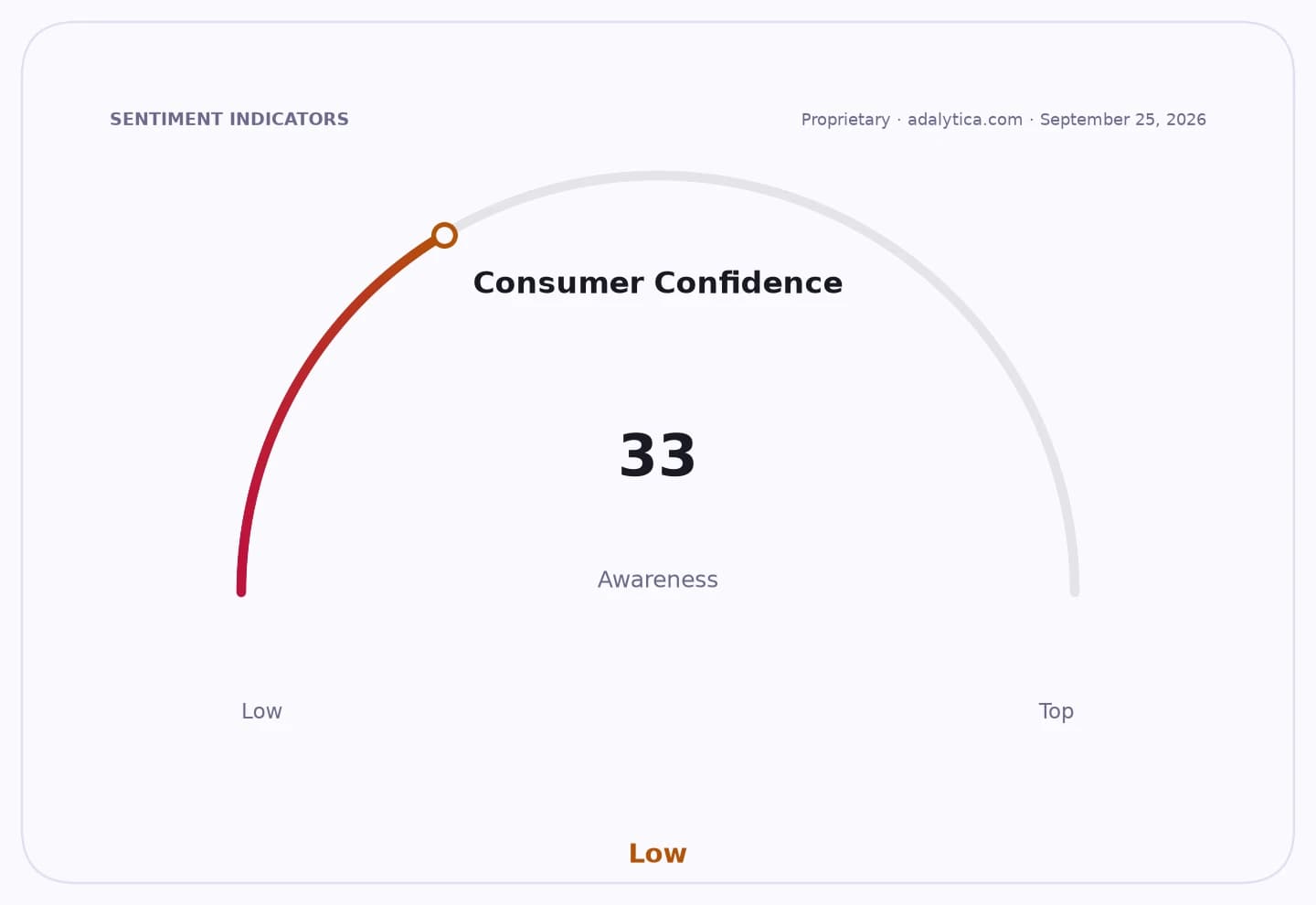
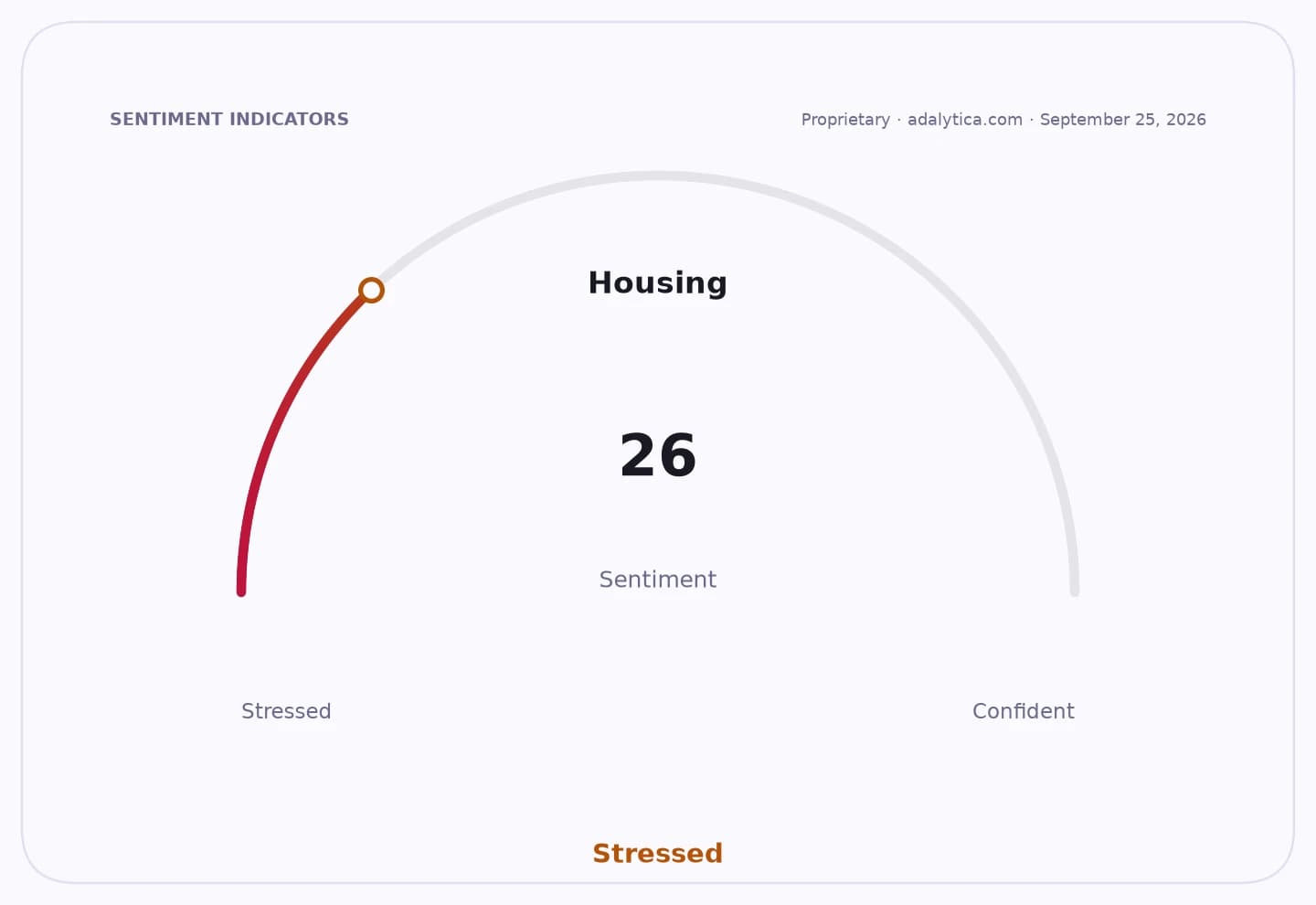
Sentiment IndicatorsⓘProprietary · adalytica.com · September 18, 2026
This is a snapshot — live sentiment, awareness and momentum for 130+ markets update continuously in the dashboard.Open AlphaPulse
According to people familiar with the matter and industry sources cited in the reports, Samil PwC, which is handling the sale, is expected to send teaser letters to potential buyers this week. The process is likely to focus on a smaller set of bidders rather than a broad public auction, after an earlier attempt to sell the hypermarket business collapsed in March. The aim is to improve the odds of closing a deal in a market where interest is thin.
Homeplus has two main paths to raise cash. One is the sale of 19 closed-store sites, which the rehabilitation plan says should generate 1.4192 trillion won by February 2028. Because many of those locations are in prime urban areas, the pool of buyers could include real-estate developers, builders and logistics operators looking for fulfillment hubs. Some former Homeplus sites have already been redeveloped into mixed-use projects, underscoring the optionality of the property portfolio.
The more complicated route is a sale of the operating hypermarket division, which includes 67 stores. A buyer would gain an instant national retail network, but would also need to inject substantial additional capital to stabilize operations and fund turnaround costs. That is the central problem for Homeplus: its store footprint is an asset only if someone is willing to underwrite the cash burn that comes with it.
That helps explain why domestic and foreign strategic and financial investors are said to be reviewing the deal behind the scenes, while several large retailers have publicly signaled they are not interested. The industry backdrop is poor: e-commerce penetration keeps rising, consumer spending patterns have shifted, and the traditional big-box format has lost some of its appeal. In other words, the buyers most capable of extracting value from the network are also the most cautious about paying for it.
For creditors, the math is straightforward. Homeplus wants asset-sale proceeds to become the main source of repayment, so the rehabilitation plan hinges on whether it can secure a fair price for closed stores and business units. For shareholders and would-be acquirers, that creates a classic distressed-asset dilemma: wait for lower prices and risk deterioration in the business, or move early and absorb the cost of fixing it.
The next catalyst is execution. If Homeplus can attract credible bidders and monetize its property portfolio, the rehabilitation plan gains traction. If not, the company may find that court approval was only the beginning of a much harder fight to preserve value.
| Entity | Gains | Losses |
|---|---|---|
| Homeplus creditors | ▲Higher recovery odds | ▼Delayed repayment risk |
| Homeplus management | ▲More time to restructure | ▼Ongoing liquidity pressure |
| Property buyers/developers | ▲Prime retail sites | ▼Capital tied up in redevelopment |
| Potential retail acquirers | ▲Instant store network | ▼Turnaround and funding burden |