Honda and Toyota Stocks Track Auto Price Cuts
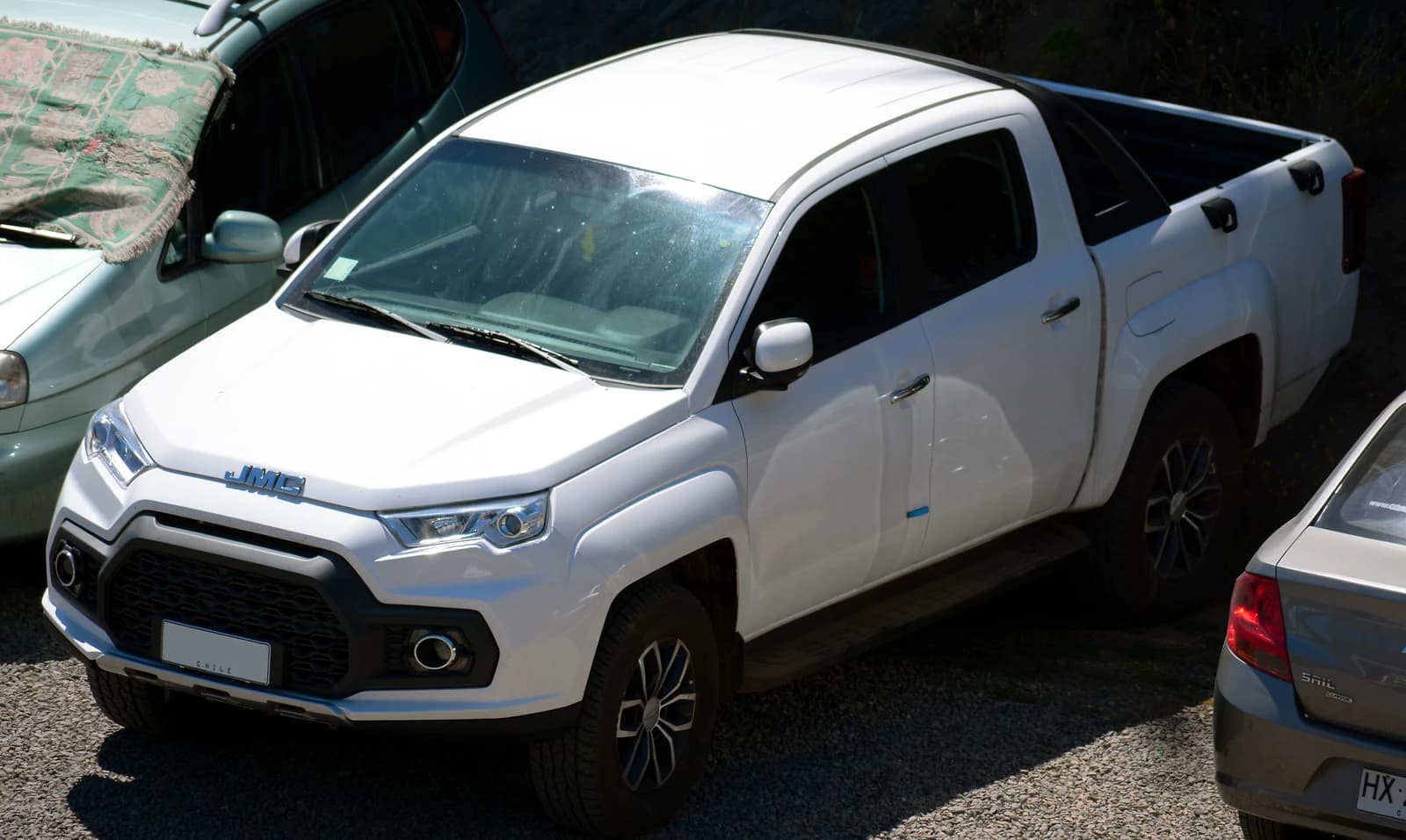
Car prices are softening in parts of Asia as automakers lean harder on discounts and electric-vehicle pricing to move inventory, but the bigger market story is that stubborn inflation and elevated borrowing costs are still shaping what consumers can afford and what manufacturers can charge.
That matters because autos are a big-ticket purchase tied closely to credit conditions, wages and consumer confidence. When prices slip, dealers may move more metal, but manufacturers often give up margin to protect volume, a trade-off investors in carmakers and lenders watch closely.

The latest U.S. inflation backdrop shows why the pressure is hard to escape. The consumer price index is forecast to edge down 0.08% in September to 333.8642 after August’s 334.131, while the unemployment rate is expected to ease to 4.02% from 4.1%, keeping the Federal Reserve in focus as it weighs growth against price stability.
Bond yields are also part of the calculus. The 10-year Treasury yield is sitting near 4.95% and is seen rising to 5.043%, a level that keeps auto loans and lease payments expensive and can cap demand for newer, pricier models.
For investors, that mix is showing up in shares of Honda Motor and Toyota. Honda has rebounded to $32.49 from a March low near $23.65, with its 50-day moving average above the 200-day and momentum stabilizing after a sharp mid-year slump. Toyota is trading near $197.56, well below its 200-day average around $202.20, suggesting the market still wants proof that pricing power can hold.
The auto price adjustments also fit a broader competitive pattern: Suzuki has cut prices amid weaker sales, while Mitsubishi is offering deep promotions in Vietnam, including discounts of up to 95 million dong on some Xpander trims. On the other side of the market, cheaper EV offerings such as Suzuki’s roughly 233 million dong electric model underscore how aggressively manufacturers are trying to widen the buyer pool.
Honda and Toyota remain better positioned than smaller rivals to absorb discounting, but the next test is whether lower sticker prices translate into sustained unit growth without another hit to margins. Traders will be watching October inflation data, Treasury yields and the next round of auto sales for signs that the pricing squeeze is easing or only getting started.
| Entity | Gains | Losses |
|---|---|---|
| Car buyers | ▲Lower sticker prices | ▼Weaker resale values |
| Honda and Toyota | ▲Higher unit volumes | ▼Margin pressure |
| Suzuki and Mitsubishi | ▲Inventory clearance | ▼Pricing power |
| Lenders and dealers | ▲More financing activity | ▼Lower loan yields |