Honduras Central Bank Raises Rate to 6.00%
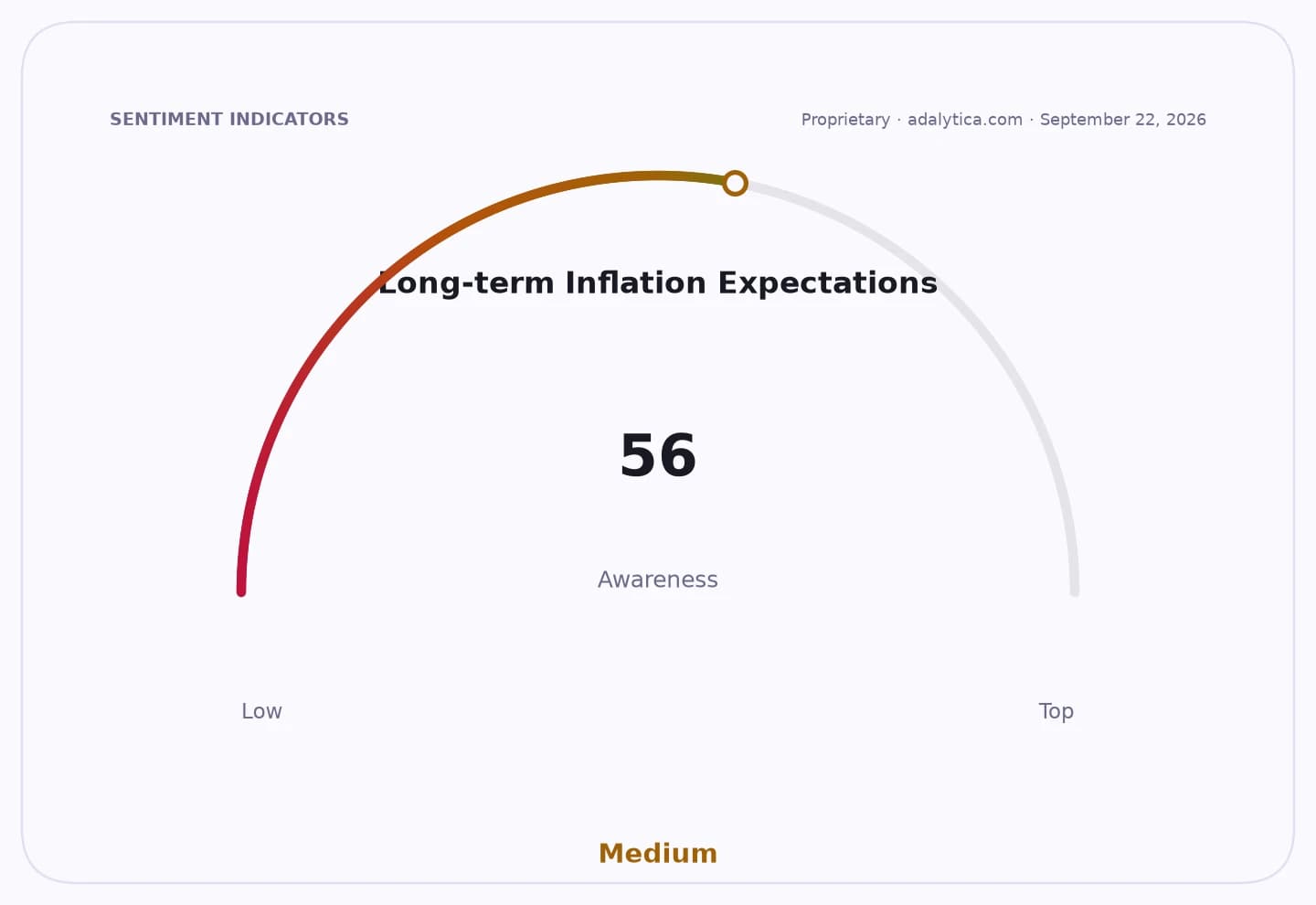
Honduras’ central bank raised its benchmark rate to 6.00% after inflation climbed above target, a move aimed at cooling price pressures without derailing growth.
The Banco Central de Honduras lifted the Monetary Policy Rate by 25 basis points from 5.75% at its ordinary meeting on Sept. 18, saying the decision reflects rising domestic inflation risks and tighter global financial conditions. The bank is trying to curb imported price pressures while avoiding a sharper hit to lending, consumption and investment.
The policy response comes after annual inflation in Honduras accelerated from 4.2% in January to 6.2% in August, above the central bank’s 4.0% target with a one-point tolerance band. Officials said the jump is being driven mainly by higher international oil and food prices, as well as drought linked to El Niño, which has constrained supply.
Food and energy are doing most of the damage. The inflation rate for that component rose from 2.0% in January to 10.0% in August and accounts for 57% of total inflation, according to the central bank. Core inflation, which strips out food and energy, eased to 2.3% from 3.0% over the same period, suggesting the broader economy has not yet entered a generalized price spiral.
That matters for investors because the rate hike is a signal that policymakers are prioritizing price stability over easier credit conditions. Higher borrowing costs can weigh on private-sector loan demand and corporate financing, but they can also help anchor inflation expectations and support the currency if external shocks worsen.
The BCH said short-term activity remains resilient, pointing to 4.4% growth in the monthly economic activity index in July, 8.0% annual credit growth in August and $9.495 billion in family remittances. Net international reserves stood at $11.5156 billion on Sept. 14, equal to 6.6 months of imports, giving the bank room to tighten modestly.
The central bank also said it will keep monitoring local and global conditions, including oil prices, tariffs and geopolitical tensions, for signs that inflation could spread into other goods and services. For markets, the key test now is whether August’s 6.2% inflation reading marks the peak or the start of a more persistent tightening cycle.
| Entity | Gains | Losses |
|---|---|---|
| Banco Central de Honduras | ▲Inflation credibility | ▼Easier monetary conditions |
| Savers and local-currency holders | ▲Higher real return protection | ▼Lower deposit rates |
| Borrowers and leveraged companies | ▲— | ▼Higher financing costs |
| Honduran consumers | ▲Price-stability support | ▼More expensive credit |