Honduras inflation falls to 5.58% in July
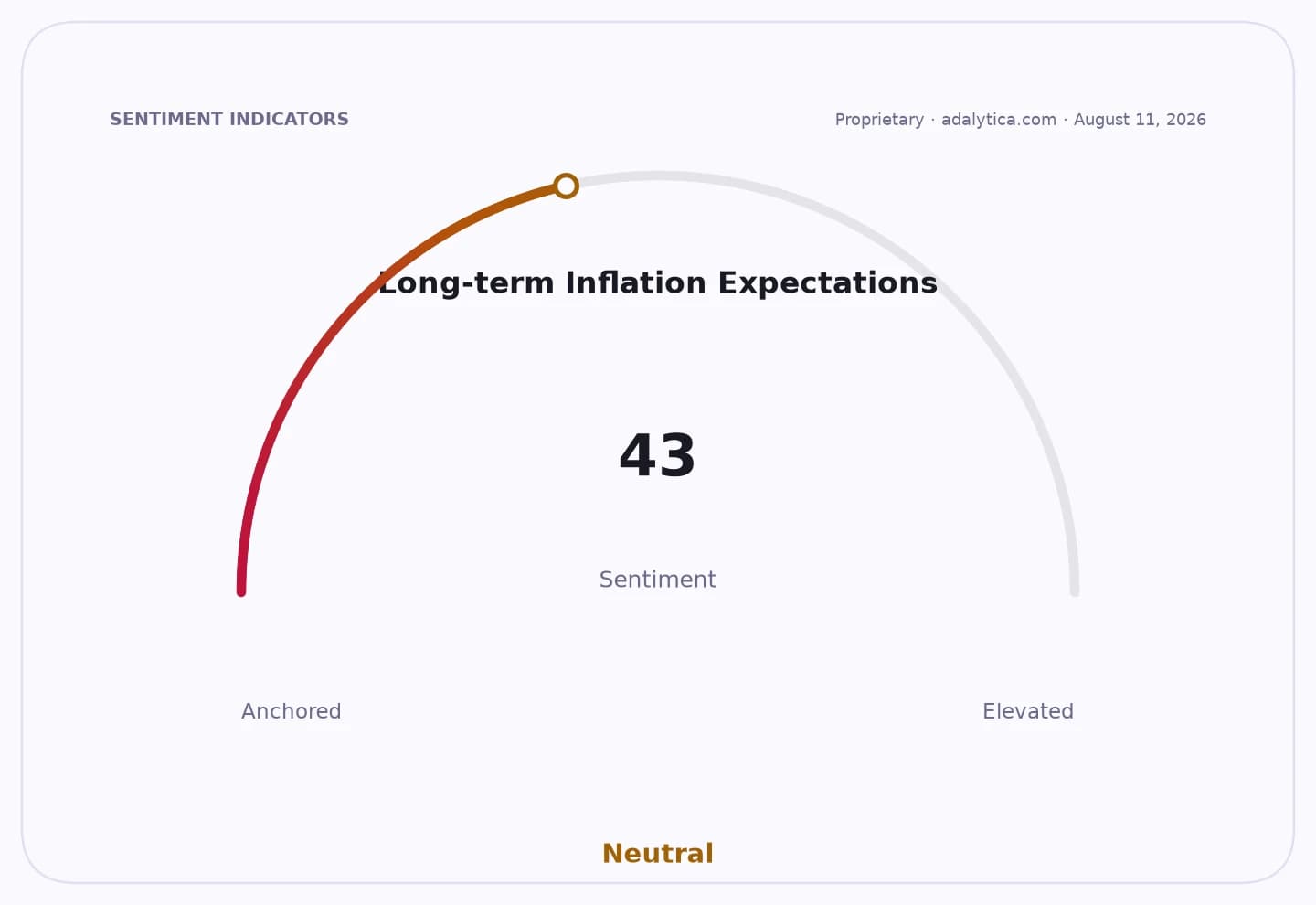
Honduras’ annual inflation rate fell to 5.58% in July, extending a disinflation trend that is helping preserve household purchasing power, but the pace remains above the central bank’s official range and keeps policy in a cautious holding pattern.
That gap matters because inflation that is falling but still sticky above target limits how aggressively policymakers can ease financing conditions for the real economy. For consumers, it means prices are no longer accelerating as fast as they were, yet food, transport and other necessities remain expensive enough to squeeze disposable income. For investors, it signals that Honduras is moving toward stability, but not the kind that would justify a swift rerating in local rates, credit or equity exposures.
The backdrop is a global market that still cares deeply about inflation credibility. Confidence in the Federal Reserve’s 2% target has been under pressure, while U.S. 10-year Treasury yields remain elevated near 4.65%, underscoring how sensitive capital markets are to any sign that price pressures may reaccelerate. In that environment, smaller emerging markets such as Honduras are judged less on the headline direction of inflation than on whether policymakers can keep it anchored within a tolerable band.
For Honduras, the key question is not whether inflation is cooling — it is — but whether the decline is durable enough to allow more room for growth-supportive policy. A reading of 5.58% is a meaningful improvement from crisis-era inflation dynamics, yet it still leaves the central bank with limited flexibility if external shocks, weather-related food costs or energy prices reverse the trend. That makes domestic demand vulnerable to a slow-growth, high-cost environment rather than a clean disinflation-led rebound.
Investors should view this as an early-stage stabilization story, not a full macro turn. Local bonds can gain if inflation continues drifting lower and real rates become less punitive, but the upside depends on credibility and follow-through. The more decisive opportunity would come if Honduras can bring inflation back inside its official range and hold it there, opening the door to cheaper credit, firmer consumer demand and better valuation support across risk assets.
The market will now watch the next inflation prints for confirmation that July was part of a lasting downtrend rather than a temporary pause. If that happens, Honduras could shift from macro fragility toward a more investable disinflation story. If not, inflation will remain an obstacle to growth, policy easing and capital formation.
| Entity | Gains | Losses |
|---|---|---|
| Honduran consumers | ▲Slower price growth | ▼Still-high living costs |
| Central bank | ▲More room to wait | ▼Limited policy flexibility |
| Local bonds | ▲Lower inflation risk | ▼Upside capped by target miss |
| Retailers and borrowers | ▲Potential demand recovery | ▼Credit stays relatively tight |