Hong Kong Bookstores Face Taiwan Supply Disruptions
Hong Kong’s widening crackdown on independent bookstores is doing more than closing shops — it is reshaping a small but important cross-strait publishing trade that has long depended on Taiwan for much of its supply.
For investors and industry watchers, the significance is not in the retail loss alone. It is in the way tighter customs checks, sedition arrests and mounting pressure on booksellers are starting to disrupt the flow of traditional Chinese titles into Hong Kong, while pushing more Hongkongers and publishers toward Taiwan’s freer publishing market.
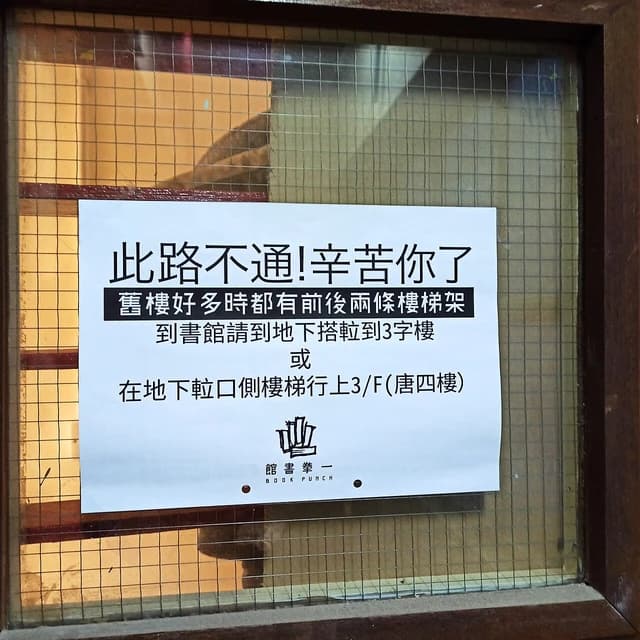
In recent months, Hong Kong authorities have arrested staff at at least four independent bookstores, including Have a Nice Stay, Greenfield Bookstore, Book Punch and Hunter Bookstore, under national security rules. The arrests followed the government’s move to block independent bookshops from the annual Hong Kong Book Fair and a new March rule giving Customs broader powers to seize material they suspect has “seditious intent.”
The result is a more fragile business environment for booksellers and publishers that rely on a narrow set of outlets. Two booksellers told HKFP that Customs inspections have become frequent enough this year to delay shipments by days or even a week. One said as many as two out of every three shipments were being inspected. Another said every shipment since the March arrest of Book Punch staff had been checked.
That matters economically because Hong Kong is a free port and books from Taiwan arrive tax-free, making the city a natural market for Taiwanese publishers, especially those selling history and politics titles in traditional Chinese. Taiwan is the world’s largest publisher of traditional Chinese books, and Hong Kong bookstores have long depended on those titles to distinguish themselves from the Beijing-linked mainstream chains.
The crackdown is now threatening that channel. A Taiwan logistics company, Jaguar Logistics, has said it will no longer courier “prohibited publications” to Hong Kong or ship to bookstores under government investigation. That is exactly the sort of friction that can choke off small importers and independent retailers, where timing and availability are critical.
The investor angle is straightforward: fewer independent bookstores in Hong Kong means fewer stockists for Taiwan publishers, while shipping delays make customers more likely to buy online from Taiwanese e-commerce platforms instead. One bookseller said shoppers waiting too long would simply order from Books.com.tw and receive the book in about three days. That shifts revenue away from Hong Kong’s small cultural retailers and toward larger digital and logistics players with more scale.
It also reinforces a broader redistribution of publishing activity. Jonathan Hung of Acropolis Publishing said he has already seen Hong Kong bookstores order fewer books from his house, and suggested the shrinking presence of Taiwan titles in the city is a growing trend. At the same time, Hong Kong writers are increasingly choosing to publish in Taiwan, where the environment is perceived as freer. That could deepen Taiwan’s role as the regional hub for politically sensitive Chinese-language publishing.
For long-term investors, the story is less about one bookstore and more about supply-chain resilience in a politically sensitive niche. Independent publishers in Hong Kong have already warned that they depend heavily on these smaller outlets; if more shops close, some may not survive. Mainstream chains tied to Sino United Publishing are better insulated, but the independent ecosystem that supports niche titles is coming under clear pressure.
The next question is whether the pressure stays contained to bookstores or begins to reshape the broader cross-strait publishing market. If Hong Kong remains unpredictable, Taiwan publishers may gain more relevance as a destination for authors, editors and readers seeking traditional Chinese-language books that can travel beyond the mainland’s red lines. For investors, that makes Taiwan’s publishing and distribution ecosystem worth watching — not because it is flashy, but because it sits at the intersection of culture, censorship and commerce.
| Entity | Gains | Losses |
|---|---|---|
| Taiwan publishers | ▲More visibility | ▼Hong Kong access |
| Hong Kong independents | ▲Little/none | ▼Sales, stockists |
| Taiwanese logistics firms | ▲Less risk exposure | ▼Hong Kong routes |
| Mainstream chains | ▲Relative share gains | ▼Niche book diversity |