Hong Kong five-year plan ties markets to Beijing
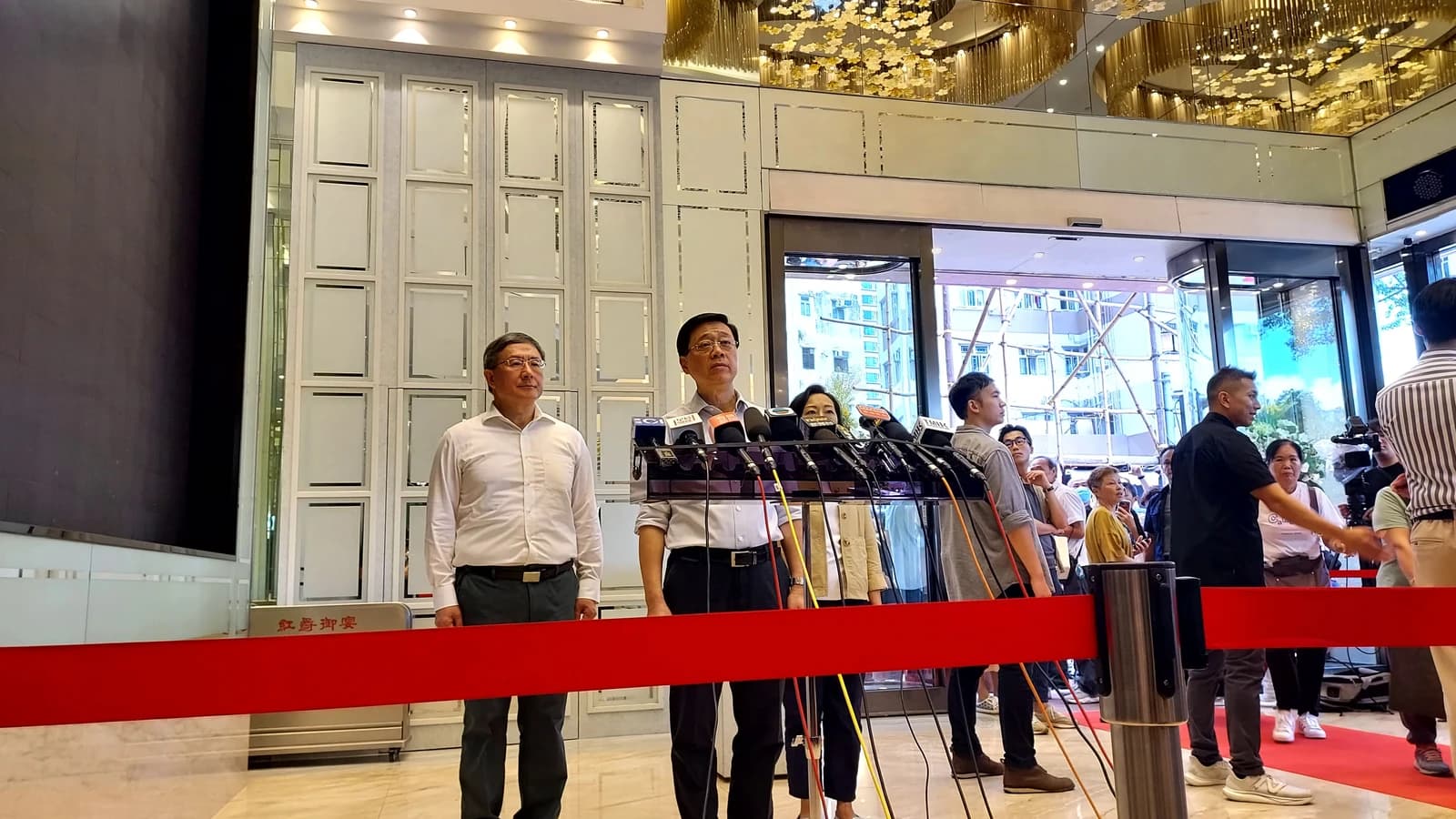
China’s first five-year plan for Hong Kong is the clearest sign yet that Beijing wants the city’s stock exchange and capital markets tied more tightly to the mainland’s strategic goals, even as officials in the city insist Hong Kong will keep its capitalist edge.
That matters because Hong Kong is still China’s most important international financial bridge. Any move to align its economy more closely with Beijing’s priorities changes how capital is raised, where listings go, and how global investors price policy risk in one of Asia’s last major offshore market gateways.
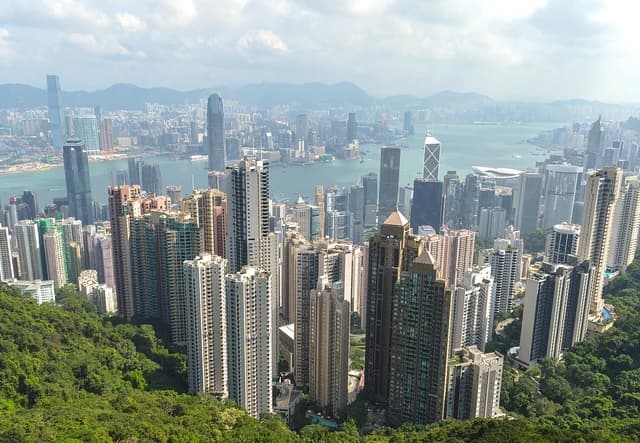
The message from Beijing — “from chaos to order and from order to prosperity” — is not just political theater. It is a policy framework for deeper integration after years in which the central government steadily expanded its influence over the city. For investors, that means Hong Kong’s role is shifting from a relatively open, globally oriented marketplace toward a more managed platform for mainland capital formation, outbound funding and strategic sectors favored by the state.
The market has already been signaling discomfort. Hong Kong-focused exchange-traded exposure has weakened, with the iShares MSCI Hong Kong ETF, EWH, falling to $22.28 on Sept. 16 from $23.30 on July 30, while the China-focused FXI dropped to $33.92 from $35.04 over the same stretch. Alibaba, one of the market’s bellwether names, has been especially volatile, sliding to $109.34 from a recent high near $175.57 earlier this year. That is not just stock-specific weakness; it reflects skepticism that policy support and market access will translate into durable re-rating unless investors see clearer limits on political intervention.

The broader backdrop is not helping. Hong Kong stocks have been buffeted by higher oil prices, inflation fears and expectations of tighter policy in the U.S. and Japan, while weak demand for Chinese equities has undercut listings and fundraising. The city’s own attempt to reassure markets — stressing its capitalist orientation — shows authorities understand the risk: if global investors conclude Hong Kong is becoming just another extension of the mainland system, the premium that made it a financial hub erodes.
This is where the investment opportunity becomes more interesting, not less. The market often prices these shifts as a simple headwind for Hong Kong. But over time, Beijing’s push for tighter integration can also channel more flows through the city into sectors the state wants to develop, from financial infrastructure to technology, data and cross-border capital services. That creates winners among the firms with direct access to mainland demand, while punishing businesses whose value depends on Hong Kong’s old identity as a lightly constrained international marketplace.
For investors, the key is to separate political compression from economic utility. Hong Kong may lose some of the freedom premium that once supported its valuation, but it remains indispensable to China’s external funding machinery. That makes the city and its exchange too important to fade entirely. The better trade is not to assume Hong Kong disappears, but to position for a more controlled, policy-directed financial hub where the strongest franchises — and the most Beijing-aligned capital channels — keep attracting flows.
The next catalyst will be whether Beijing uses the five-year plan to steer even more listings, financing and institutional activity through Hong Kong. If it does, the market will have to reprice the city not as a classic free-market hub, but as a strategically managed toll road between China and global capital.
| Entity | Gains | Losses |
|---|---|---|
| Beijing | ▲tighter control | ▼market freedom premium |
| Hong Kong government | ▲policy backing | ▼credibility with global investors |
| Mainland firms seeking funding | ▲preferred access | ▼alternatives outside Hong Kong |
| Global investors | ▲strategic access | ▼valuation clarity and autonomy concerns |