Hong Kong Stocks Fall on Oil and US Inflation Data

Hong Kong stocks fell in morning trade as surging oil prices and a looming run of US inflation data rattled risk appetite, with the Hang Seng sliding 325.44 points, or 1.29%, to 24,949.52.
The move matters because it ties together three pressure points that tend to hit Hong Kong equities at once: higher energy costs, firmer US yields and the prospect of tighter-for-longer Federal Reserve policy. Brent crude climbed above $100 a barrel after Iran said it was prepared for an escalation in conflict, reviving fears of supply disruption through the Strait of Hormuz. At the same time, the US 10-year Treasury yield rose to about 4.86%, its highest since November 2023, underscoring the market’s concern that inflation may stay sticky even before fresh readings arrive.
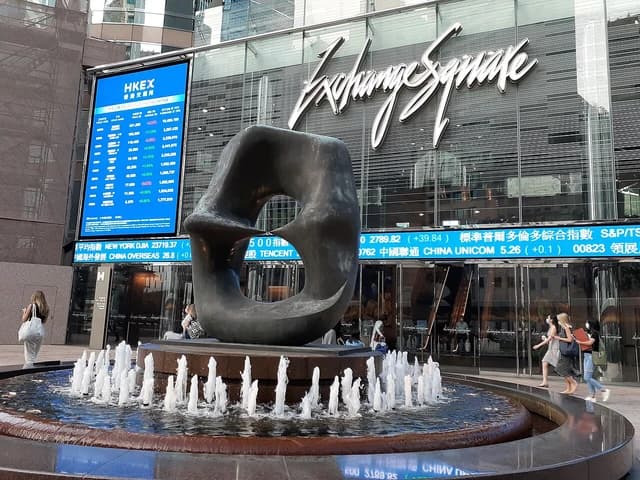
Investors are also positioning ahead of the US producer price index later today and consumer price data on Thursday. With inflation still running at 3.4% in August in the broader backdrop, another upside surprise would reinforce the view that the Fed has less room to ease policy quickly. That is a problem for regional risk assets: higher US yields tend to support the dollar, tighten global financial conditions and pressure growth-sensitive shares in Asia, including Hong Kong-listed property, technology and consumer names.
The selling in Hong Kong mirrors a broader risk-off tone. Wall Street fell for a third straight session on Wednesday, while trade signals tracked by Adalytica showed extreme fear in US equities and fear in global stability conditions. For investors, that combination is usually unfavorable for leverage-heavy and rate-sensitive sectors, while energy-linked names and other inflation hedges gain relative support.
There is still a bull case for the market. If the US data are benign and oil eases back from $100, the jump in yields could unwind and allow a rebound in Asian equities. But if energy prices stay elevated and inflation prints hot, Hong Kong’s benchmark would likely remain under pressure as investors cut exposure to cyclicals and rotate further into defensive and cash-generative stocks.
| Entity | Gains | Losses |
|---|---|---|
| Energy producers | ▲Higher realized prices | ▼ |
| Hong Kong equities | ▲ | ▼Risk-off selling |
| US Treasuries / dollar | ▲Yield support, safe-haven demand | ▼ |
| Rate-sensitive sectors | ▲ | ▼Higher discount rates |