Huawei Trial Opens as China Opposes U.S. Pressure
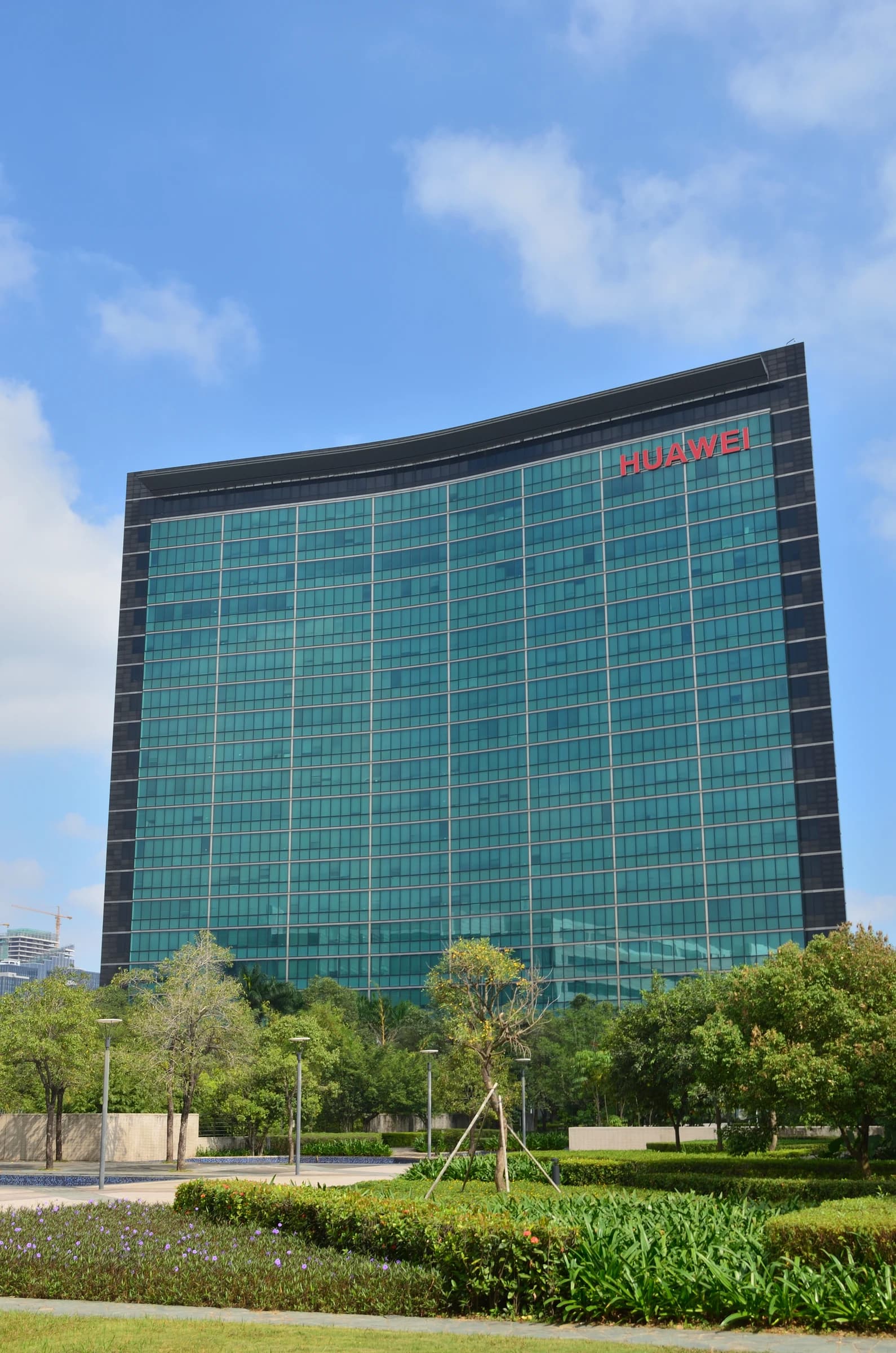
China said it firmly opposes U.S. efforts to “contain” its companies as a criminal trial against Huawei opened in New York, sharpening a technology confrontation that is already reshaping semiconductor supply chains, market access and investment flows between the world’s two largest economies.
The dispute matters economically because Huawei is not just another defendant. It sits at the center of Beijing’s push for technological self-sufficiency and Washington’s campaign to curb China’s access to advanced chips, equipment and know-how. A courtroom case alleging sanctions evasion, bank fraud and espionage-related conduct adds another layer to a relationship already defined by export controls and retaliatory measures.
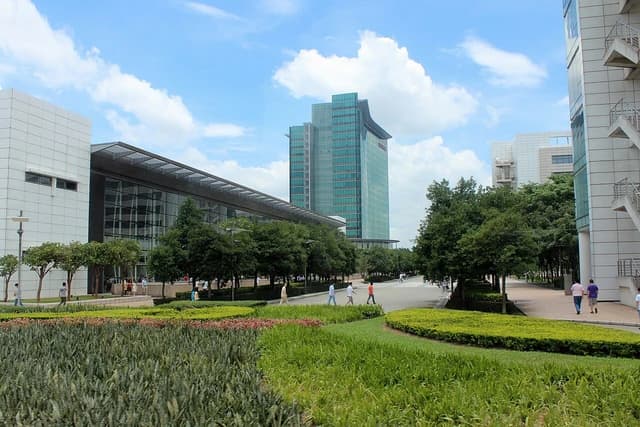
For investors, the immediate issue is not the legal outcome alone but the risk of escalation. More pressure on Huawei tends to reinforce the case for China’s domestic chip stack, while also keeping U.S. suppliers and global semiconductor manufacturers exposed to shifting rules on sales into China. That is a direct concern for companies with revenue tied to Chinese demand, including chipmakers and equipment vendors.
The comments from China’s foreign ministry came after jury selection began in the case presided over by U.S. District Judge Ann Donnelly. Huawei and some of its subsidiaries are accused in the proceedings of doing business in North Korea despite U.S. sanctions and of installing surveillance equipment that allegedly helped Iranian authorities monitor protesters in 2009. Huawei’s lawyers have argued the charges are imprecise and that prosecutors are trying to stretch U.S. jurisdiction to conduct carried out abroad.
The wider significance is that both sides are now treating corporate enforcement actions as geopolitical tools. Washington has already restricted Huawei’s access to chips and other technology, forcing the company to accelerate its own manufacturing capabilities and aligning it more closely with Beijing’s industrial policy goals. That dynamic helps explain why China moved quickly to frame the case as a national issue rather than a corporate one.
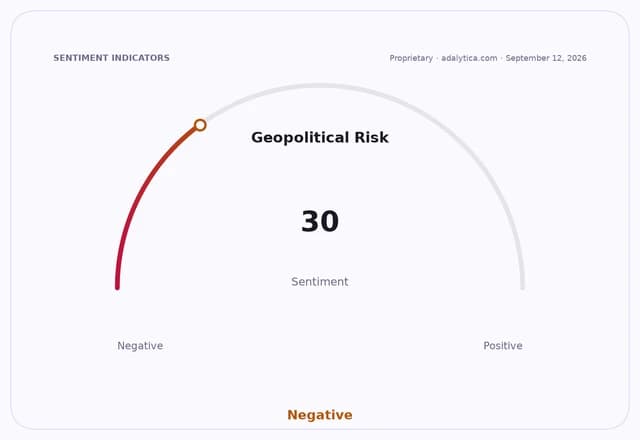
Markets have been conditioned to expect friction, but not necessarily clarity. Adalytica’s US–China Relations Sentiment gauge was in “Extreme Greed” at 93, while awareness remained in “Extreme Fear” at 4, reflecting a market that is heavily engaged with the relationship but still underpricing the operational and policy shocks that can follow. Global Stability sentiment sat at 30, or “Fear,” underscoring a broader risk backdrop.
The economic cost of this standoff is cumulative rather than immediate. Each new enforcement action, sanction or export restriction encourages duplication of supply chains, higher capital spending on domestic capacity and lower efficiency across the semiconductor ecosystem. That can support some local champions in China, but it also raises costs for multinational suppliers and increases uncertainty around long-term demand.
That is why the case matters beyond Huawei. For U.S. chipmakers, equipment vendors and their Asian manufacturing partners, the issue is whether the legal fight becomes another step in a long-running effort to segment the technology market. For China, the priority is proving it can shield strategic firms from U.S. pressure while reducing dependence on foreign technology. The trial is likely to run for months, giving both governments more time to use it as leverage.
Investors should watch for any signs the case spills into broader policy. A harder U.S. line could deepen restrictions on Chinese tech groups, while any retaliatory step from Beijing may revive fears over access to China’s market and supply chain resilience. The result is a familiar but increasingly costly pattern: a corporate trial that doubles as a proxy battle over technological power.
| Entity | Gains | Losses |
|---|---|---|
| Huawei / Chinese tech firms | ▲State backing; self-sufficiency push | ▼U.S. market access; legal risk |
| U.S. authorities | ▲Enforcement leverage; sanctions credibility | ▼Higher escalation risk |
| Semiconductor suppliers | ▲Domestic China buildout demand | ▼China sales uncertainty |
| Investors in China tech | ▲Policy support bets | ▼Volatility; geopolitical discount |