Hungary to Release Communist-Era Informer Files
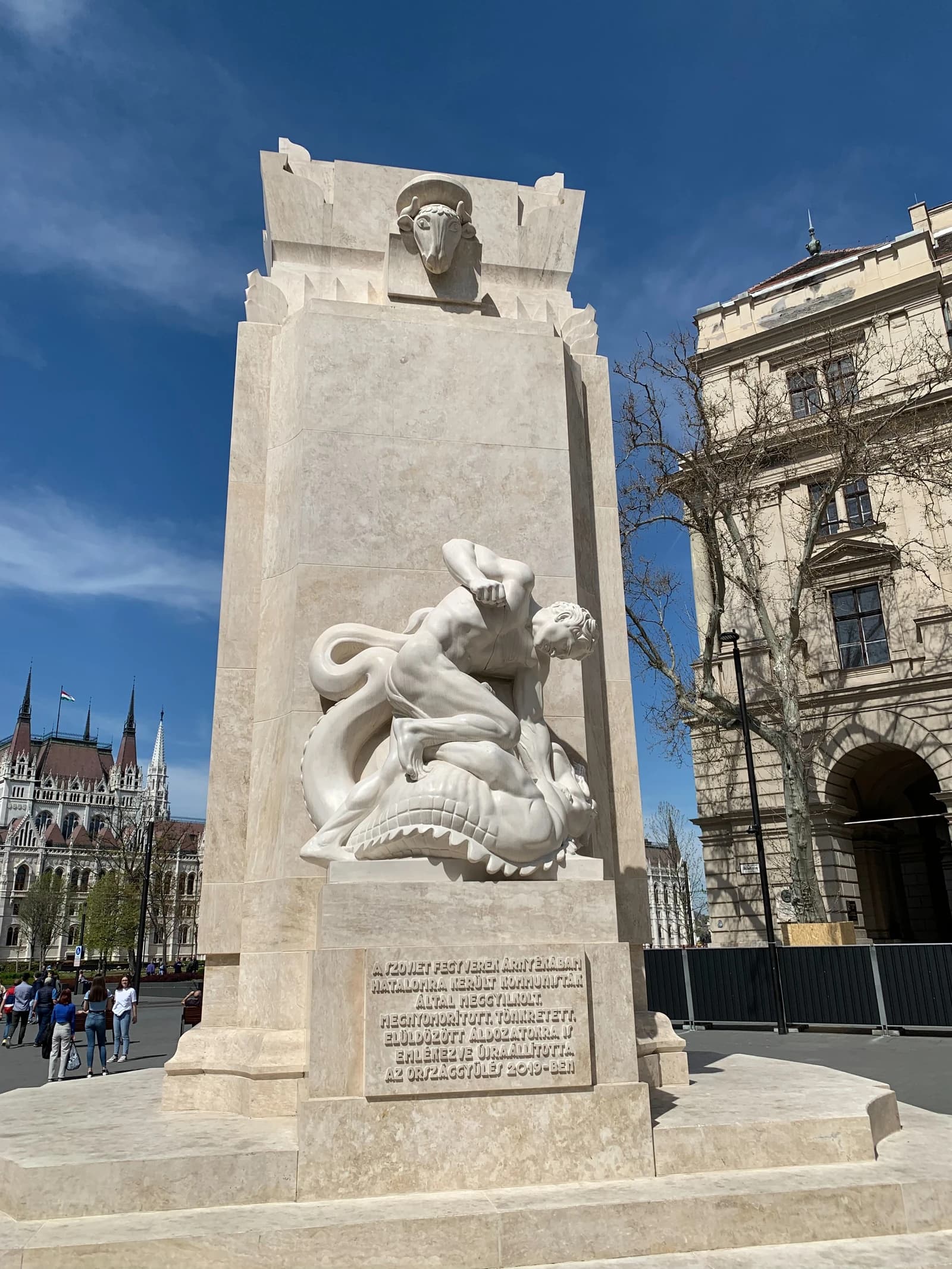
Hungary is preparing to disclose the names of tens of thousands of communist-era informers, a politically charged step that could reopen old wounds while reshaping how the country confronts the legacy of its security services.
The government said it plans to make public the files of the former state security police and release the identities of about 60,000 to 80,000 people who acted as informers or collaborators under communism, with the documents to be opened gradually and no later than the end of the year. The move matters well beyond historical accounting: in Hungary, as in other post-communist states, secret-police records have long been tied to questions of legitimacy, elite continuity and the unresolved role of figures who went on to become influential in business and politics after 1989.
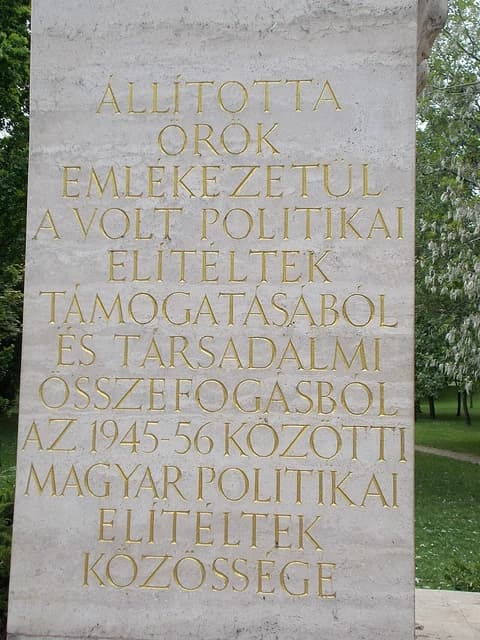
The timing is deliberate. The files are expected to be made available around Oct. 23, the 70th anniversary of the 1956 Hungarian uprising, a symbolic date that links the disclosure to national memory and anti-Soviet identity. Vice Prime Minister and cabinet chief Bálint Ruff said previous governments had lacked the courage to open the archives fully, adding that the files were an important part of the country’s shared past. He also acknowledged the political sensitivity of the list, saying it was not yet clear whether it would include people who later became major figures in Hungary’s economy or public life.
For investors and companies with exposure to Hungary, the economic impact is indirect but real. Full disclosure could intensify scrutiny of business leaders, media owners and former officials whose reputations and networks were built during the transition from communism, potentially affecting corporate governance debates, state-business relationships and the broader investment climate. If the release implicates individuals still active in politics or boardrooms, it could trigger legal, reputational or transactional risk, especially in sectors where state ties remain economically important.
The announcement also reflects a broader political signal from Péter Magyar’s Tisza party, which pledged to declassify the archives after winning the April parliamentary election and taking power. By limiting secrecy only to material that could harm Hungary’s security or that of its EU and NATO allies, the new government is framing the release as a transparency measure rather than a partisan purge. But the scale of the disclosure means the consequences will not be neatly contained: families, institutions and companies may all be drawn into a reckoning that has been delayed for decades.
The main market question is whether the archives become a one-off historical release or the start of a deeper institutional reset. A controlled, legally narrow publication would likely contain the fallout. A broader unmasking of politically connected figures, however, could unsettle parts of Hungary’s establishment and renew investor concerns about policy volatility, elite conflict and the durability of existing business networks.
| Entity | Gains | Losses |
|---|---|---|
| Tisza government | ▲Transparency credentials | ▼Exposure to backlash |
| Voters and historians | ▲Access to records | ▼Old wounds reopened |
| Legacy elites | ▲Historical cover preserved less | ▼Reputational damage |
| State-linked businesses | ▲Stability if limited release | ▼Scrutiny if names emerge |