Hungary Inflation Stays Below Target in August
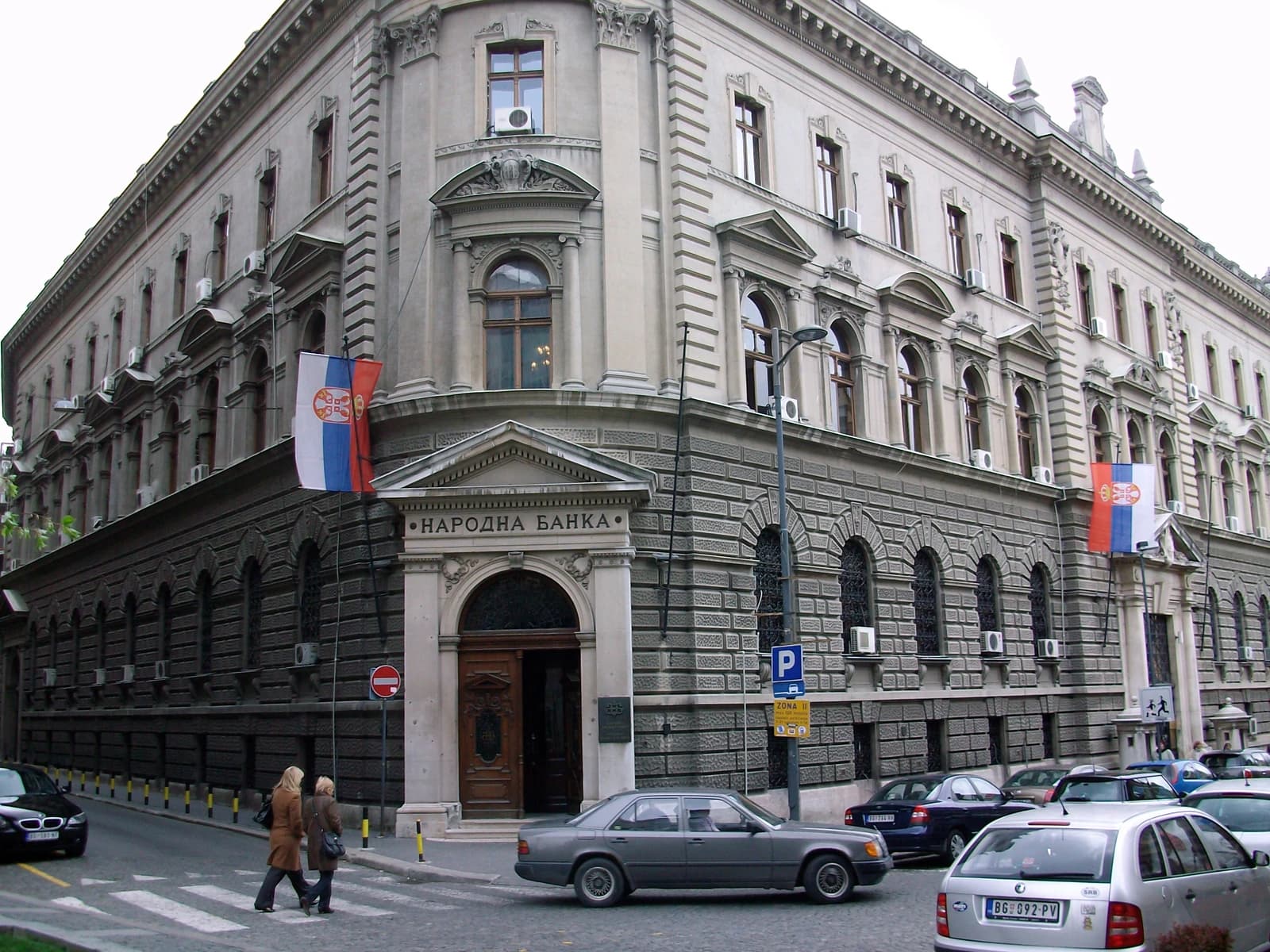
Hungary’s inflation stayed just under the central bank’s target in August, giving policymakers room to keep rates steady even as gasoline prices pushed consumer costs higher.
The consumer price index rose 4.45% from a year earlier, narrowly below the National Bank of Hungary’s 4.5% central value target, while core inflation came in at 4.24%, according to the statistical office. On the month, prices rose 0.47%, snapping two straight months of declines and underscoring how quickly volatile fuel costs can still move the inflation picture.
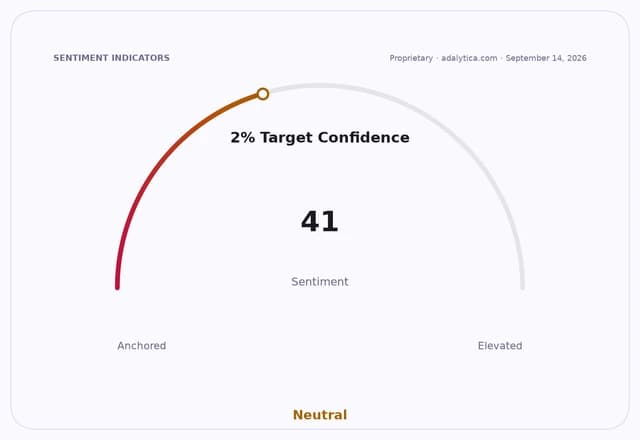
That matters because Hungary’s central bank has been trying to anchor inflation expectations without choking off a fragile economy. A reading that remains below the target suggests the disinflation process is still intact, even if not perfectly smooth. It also supports the case for the policy rate to stay unchanged for now, with officials likely to preserve a tight stance until they are convinced price pressures are firmly contained.
For investors, the message is straightforward: inflation is not re-accelerating enough to force an abrupt policy response, but it is not falling fast enough to justify aggressive easing either. That leaves Hungarian bonds and the forint sensitive to every upside surprise in food and energy, while rate-sensitive equities remain dependent on a gradual improvement in real incomes and domestic demand.
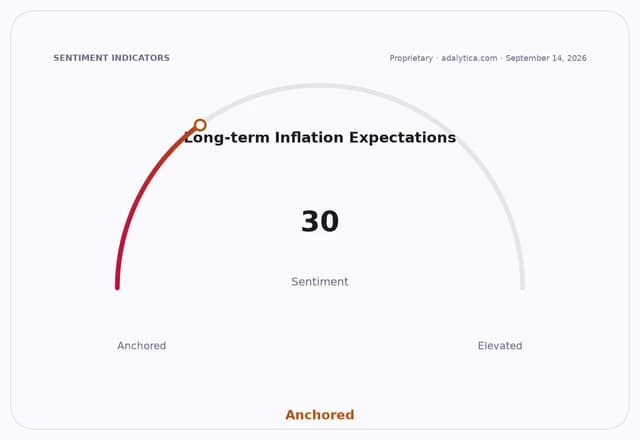
The central bank governor has already signaled a willingness to gradually lower the inflation target over time, a move that would only be credible if recent prints keep settling near current levels. August’s data helps that argument, but it also shows the path back to a cleaner inflation regime will be uneven.
The trade now is simple: stay positioned for stability, not a policy pivot. In Hungary, inflation is contained enough to avoid panic, but sticky enough to keep the central bank in control.
| Entity | Gains | Losses |
|---|---|---|
| National Bank of Hungary | ▲policy credibility | ▼pressure to cut rates |
| Hungarian government bonds | ▲lower easing risk | ▼rally momentum |
| Forint | ▲steady policy support | ▼rapid rate-cut bets |
| Consumers | ▲some price stability | ▼higher fuel bills |