Hungary inflation falls to 1.3% as MNB cut debated
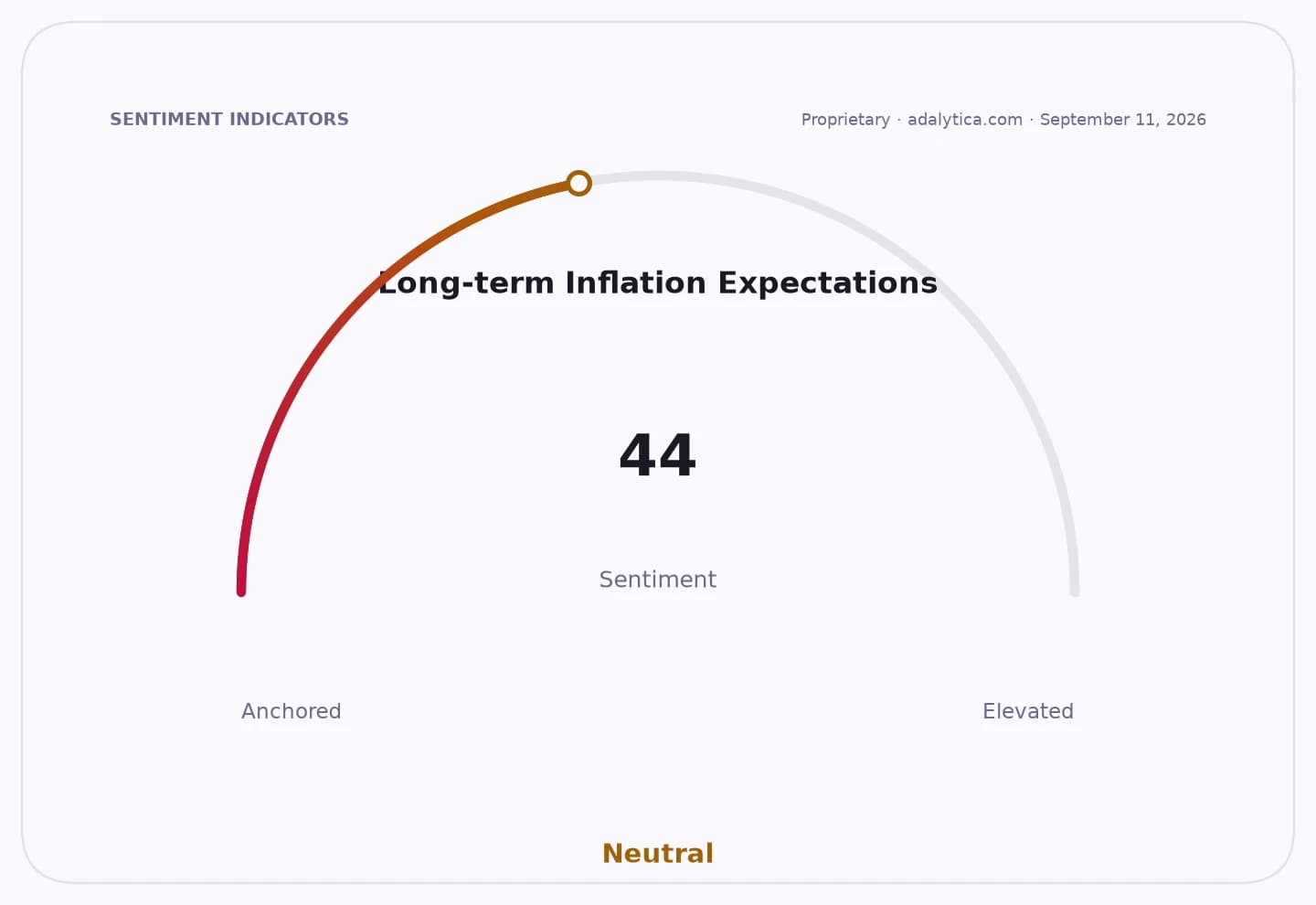
Hungary’s inflation rate dropped to 1.3% in August, well below the central bank’s target and even under the bottom of its target band, but the size of the miss may not be enough to keep the Monetary Council easing again next month.
The reading, published by the Central Statistical Office, came in just below market expectations of 1.4% and reinforces the picture of exceptionally subdued price pressure in the Hungarian economy. Core inflation edged up to 2.0% from 1.9%, while the pensioner household basket rose to 0.9%, underscoring that the broad disinflation is still masking pockets of stickiness in services and some imported goods.
For policymakers, the key issue is no longer whether inflation is low enough to justify further cuts, but whether the forint, energy prices and the external backdrop allow them to keep easing without reigniting exchange-rate pressure. Economists cited by MTI said the central bank could still cut in September if the currency remains stable, but several also warned that turbulence in global bond markets, the Middle East conflict and a weaker forint could force a pause.
That trade-off matters economically because Hungary is trying to support growth with lower borrowing costs while avoiding a repeat of the currency-driven inflation that has dogged the country in recent years. A 1.3% inflation rate gives the MNB room to lower rates in principle, but the transmission from policy to prices is more complicated when import costs, fuel prices and market sentiment are all moving in the wrong direction.
The August data point to a mixed inflation mix beneath the headline. Food prices kept falling, clothing prices eased seasonally and inflation expectations stayed moderate, helped by a stronger forint than earlier in the year and low global food prices. But fuels and services accelerated, and the weaker currency was already showing up in durable goods and transport-linked costs. That makes the disinflation look fragile rather than firmly entrenched.
Analysts at ING said annual inflation could drift back above 2% by December, though average inflation for 2026 may still land only around 1.7% to 1.8%. ING sees the policy rate at 5.0% by year-end from 5.5% now, while Erste said the central bank may wait until October if global risk sentiment worsens. MBH Bank was more cautious, arguing that the MNB may prefer to halt its easing cycle if the forint comes under renewed pressure, especially with a possible change to the inflation target also under discussion.
For investors, the immediate implications run through the forint, Hungarian government bonds and domestic rate-sensitive stocks. A continued cutting cycle would support bond prices and lower funding costs for households and businesses, but it could also pressure the currency if markets conclude policymakers are moving too fast. A pause, by contrast, would help stabilize the forint and reduce the risk of imported inflation, but at the cost of delaying monetary relief for the economy.
The broader narrative is that Hungary has reached a point where inflation is no longer the problem in itself; the binding constraint is financial stability. Whether the MNB cuts in September or waits, the August print gives it cover to ease further. The question for markets is whether that room translates into action, or whether the central bank decides that the forint and the global backdrop matter more than a headline rate far below target.
| Entity | Gains | Losses |
|---|---|---|
| Hungarian borrowers | ▲Lower financing costs | ▼Slower if rates are held |
| Hungarian government bonds | ▲Price support from cuts | ▼Selloff risk on a pause |
| Forint | ▲Stability if the MNB pauses | ▼Pressure if easing resumes |
| Hungarian households | ▲Cheaper loans over time | ▼Imported-price risk if currency weakens |