Hungary rents flatten as Budapest supply grows
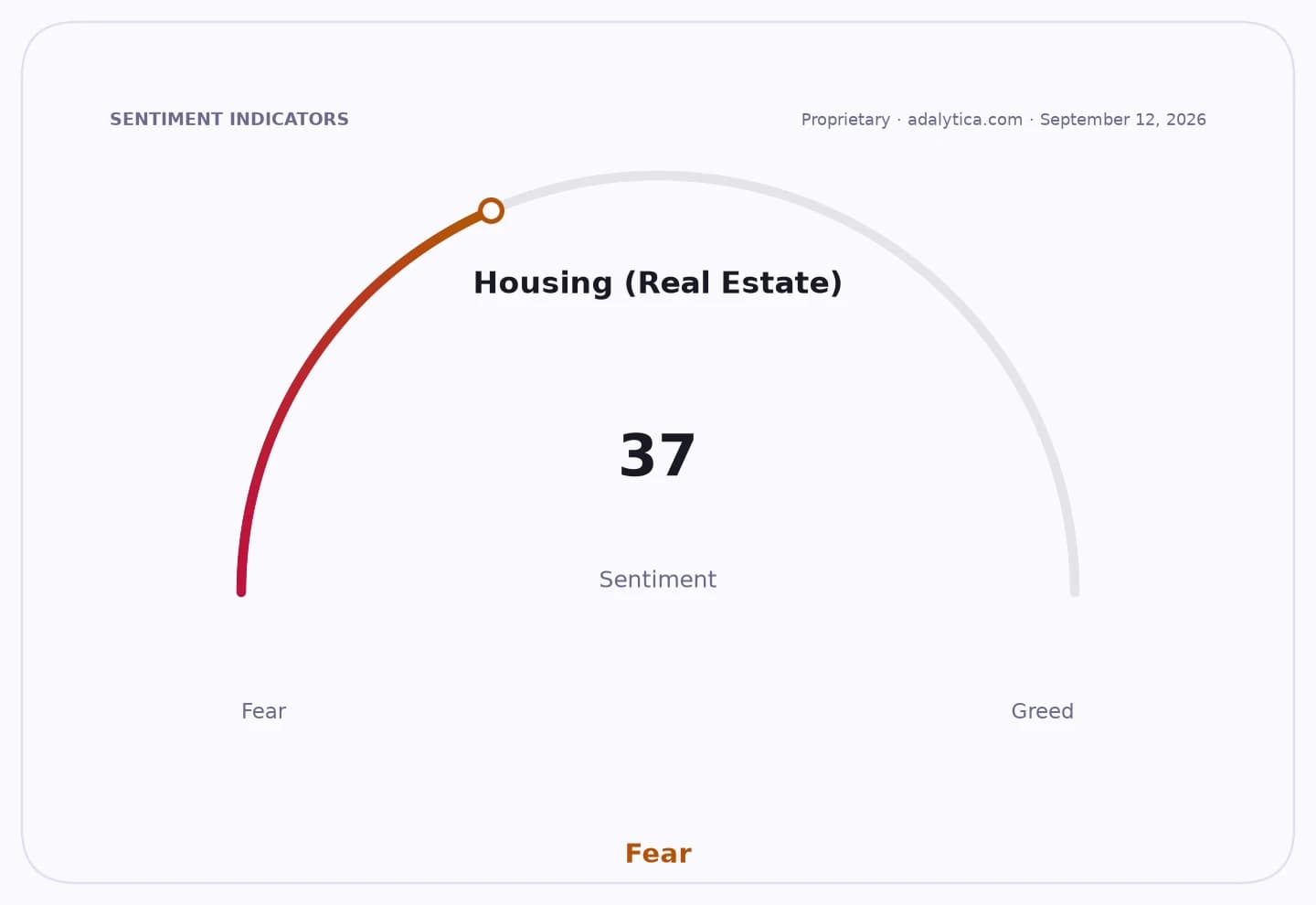
Rent increases in Hungary have essentially stopped, with Budapest’s rental market flattening just as government policy threatens to add more apartments to the long-term pool and intensify competition among landlords.
National rents were still 5% higher in August than a year earlier and Budapest rents 5.2% higher, but the monthly pace of increase slipped below 1%, according to joint data from ingatlan.com and the Hungarian Central Statistical Office. In practical terms, prices have barely moved since last autumn, suggesting the post-pandemic rental surge is running out of steam.
That matters economically because housing costs feed directly into household budgets, inflation expectations and labor mobility. For tenants, the pause offers relief after years of rising living costs. For landlords, it means pricing power is fading just as financing costs and regulatory uncertainty remain elevated. For policymakers, the rental market is becoming another transmission channel for housing policy rather than a standalone asset class.
The clearest sign of the shift is in Budapest, where the median asking rent held at 260,000 forints, unchanged from both a year earlier and August. Even some of the city’s most expensive districts have softened: median rents in the 6th district fell to 280,000 forints from 290,000, while the 8th district dropped to 229,000 from 240,000 in a month. In the provinces, the gap with the capital is narrowing as several county seats have reached the psychologically important 200,000-forint mark, including Debrecen at 220,000, Veszprém at 210,000 and Győr, Kecskemét and Szeged at 200,000.
Supply is moving unevenly, which helps explain why price growth has stalled rather than collapsed. Available rentals in Budapest were down 10% from a year earlier to about 10,000 and down more than 15% in county seats to around 4,000, but the market has also seen a 4% increase since the summer. In early September, more than 16,000 apartments were listed nationwide, giving tenants a broader choice than a few months ago and forcing owners to compete harder for long-term renters.
The biggest structural pressure may still be ahead. A moratorium on short-term rental permits is due to expire at year-end, and the government is expected to hand more regulatory control to Budapest. If that happens, more apartments now used for tourism could be redirected to the long-term market, adding to supply and putting further pressure on rents in central districts where Airbnb activity has been most intense.
At the same time, the planned institutional rental housing program could reshape the market more fundamentally. Balogh László, an analyst at ingatlan.com, said related changes to housing and condominium law, along with VAT adjustments, could rewrite rental mechanics and create even broader supply and fiercer competition. For investors, that raises the possibility that rental yields in Hungary’s biggest cities may face more downside than the headline inflation figures suggest.
The bull case for landlords is that demand remains supported by urbanization, student inflows and affordability constraints on homeownership. The bear case is that policy is now leaning toward more supply, more regulation and less room for aggressive pricing. If short-term lettings continue shifting into the long-term market and state-backed rental housing comes on stream, the era of easy rent gains may be over for now.
| Entity | Gains | Losses |
|---|---|---|
| Tenants | ▲More choice, slower rent growth | ▼Still high monthly rents |
| Landlords | ▲Stable occupancy in good locations | ▼Less pricing power |
| Budapest long-term market | ▲More supply from Airbnb shift | ▼Lower district-level rents |
| Government housing policy | ▲More housing affordability tools | ▼More pressure on private rental returns |