Hungary Plans Tighter Budgets and Slower Wage Growth

András Kármán is signaling that Hungary is about to take a harder line on both pay growth and public spending, a shift that could reshape the country’s inflation path, corporate margins and investor confidence after years of weak growth and loose fiscal policy.
That matters because Hungary’s growth model has clearly run out of road. Kármán said the economy added just 1 percentage point of growth in the three years from 2023 to 2025, a stark sign that the old playbook of cheap labor and foreign capital is no longer delivering. At the same time, he argued that wages have risen 40% since the pandemic while productivity is up only 19%, squeezing company profitability and helping to choke off investment. If the new government is serious, investors should expect a period of slower wage gains, tighter budgets and a more orthodox policy mix designed to restore credibility.
For long-term investors, credibility is the key word. Hungary’s fiscal gap has been a problem for years, and Kármán said this year’s deficit could have reached 8.3% of GDP without the change in government, versus the 2.7% target once on the books. The new plan is to cut that to 7.5% this year and below 3% of GDP by 2030 without tax hikes or broad austerity, instead relying on cuts to what he called wasteful spending. That is ambitious, but if it sticks, it could lower borrowing costs, reduce pressure on the forint and give domestic companies a steadier operating backdrop.
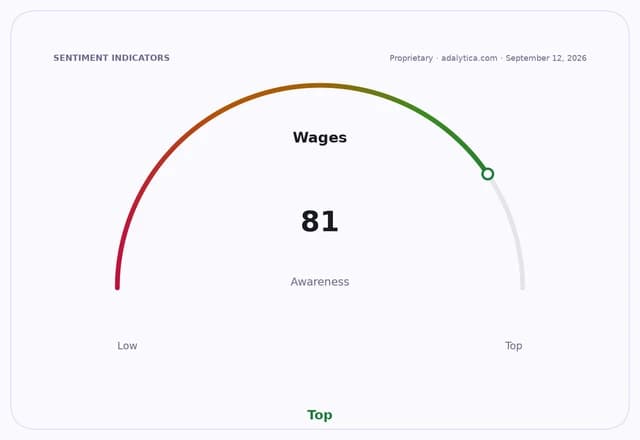
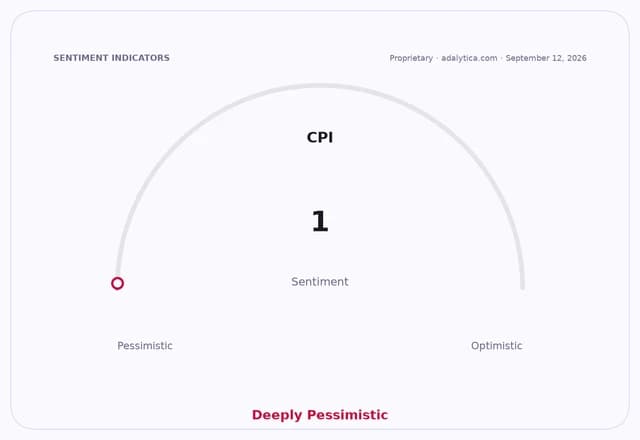
The wage message is just as important. Kármán said pay can rise sustainably only if productivity improves, which implies a break from the earlier pattern of annual wage increases near 10% even without growth. In the short run, that is uncomfortable for workers and may weigh on consumer demand. But from an investor’s perspective, slower wage inflation can be healthy if it helps restore margins, revive capital spending and keep price growth in check. The Adalytica Wage Inflation sentiment gauge remains neutral, while CPI sentiment sits at extreme fear, underscoring how sensitive the market still is to inflation and purchasing-power risks.
There is also a broader institutional story here. Kármán promised more transparent budgeting, an end to opaque reallocations and a cleaner tax system with fewer loopholes and a new wealth tax. He also said education and health spending will be protected, which is an important signal that the government wants consolidation without hollowing out long-term growth. If that balance can be maintained, Hungary could move from a low-trust, stop-start policy regime to one that looks more investable over a multi-year horizon.
The big question now is execution. Austerity without growth would be painful; reform without discipline would lose credibility quickly. But if Kármán can deliver lower deficits, a calmer inflation outlook and a more predictable policy framework, Hungary may be setting up a better backdrop for patient investors than the headline numbers suggest. For now, it is a story worth watching closely and keeping on the long-term watchlist.
| Entity | Gains | Losses |
|---|---|---|
| Hungarian government | ▲Restored credibility | ▼Short-term political comfort |
| Workers | ▲Lower inflation over time | ▼Slower wage growth |
| Domestic companies | ▲Better margins, steadier policy | ▼Less demand from pay restraint |
| Bondholders and long-term investors | ▲Lower risk premium | ▼None if reforms stall |