Hyundai Delays Full Self-Driving Plan to 2029
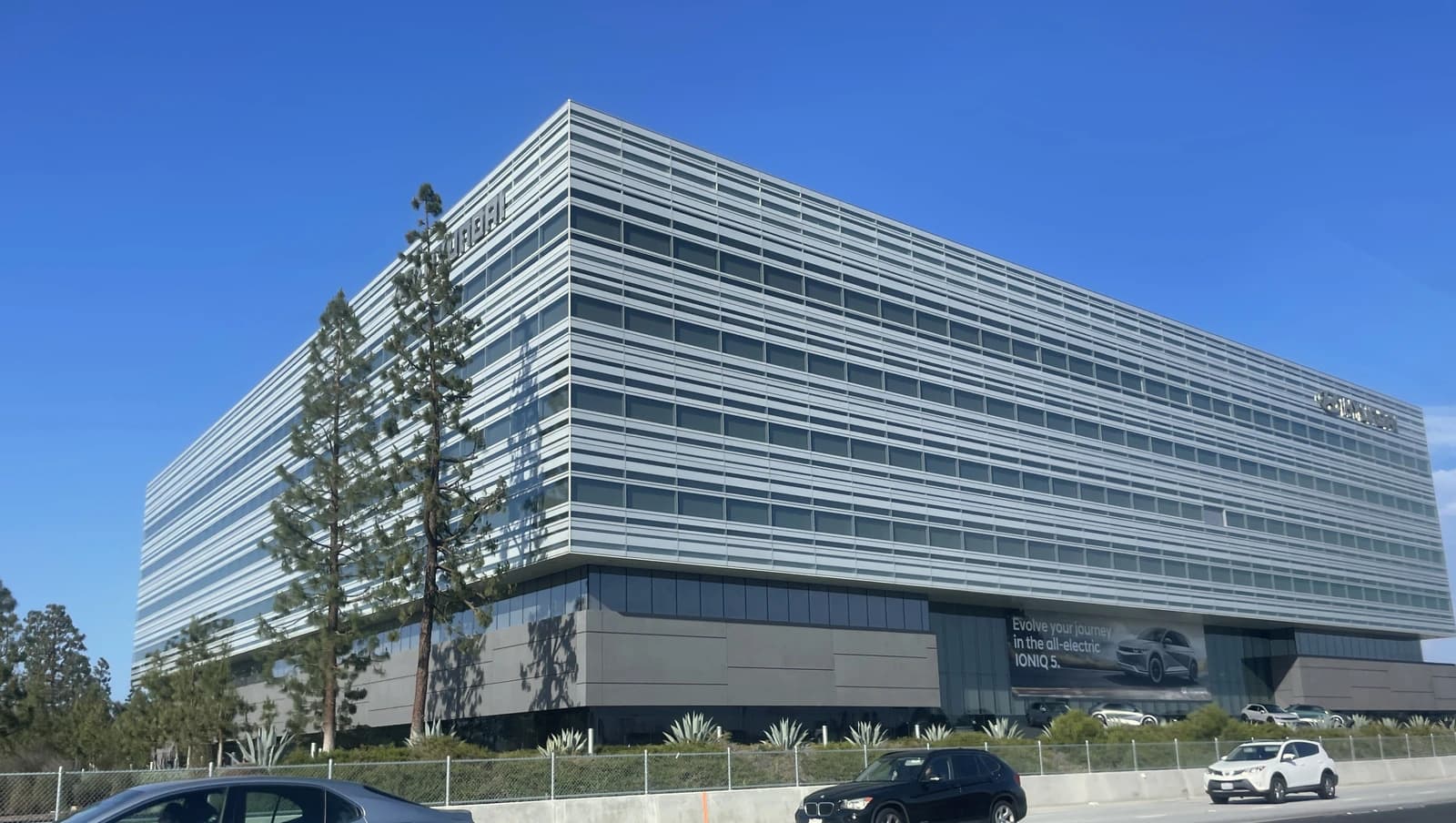
Hyundai has pushed back its plan for fully self-driving cars until 2029 and will rely on Nvidia technology in the meantime, underscoring how expensive and technically demanding autonomy remains even for one of the world’s biggest automakers.
The delay matters because autonomy is no longer just a product race; it is a capital allocation decision. Hyundai’s move suggests the company is choosing to preserve development credibility and speed time-to-market by leaning on a proven chip and software stack rather than forcing an in-house solution before it is ready. That can reduce execution risk, but it also means Hyundai is likely to spend more on outside technology and wait longer for the margin and software-revenue benefits that successful autonomy could eventually bring.
For investors, the message is two-sided. Hyundai benefits from deferring a costly bet until the technology is more mature, which may limit near-term write-offs and the risk of a public setback. But the postponement also pushes out any payoff from a robotaxi or advanced-driver-assistance platform that could have enhanced valuation, particularly if peers move faster. Nvidia, by contrast, gets another reminder that automakers still need its compute and software ecosystem while they bridge the gap between aspiration and deployment.
The timing fits a broader industry pattern: automakers are still chasing autonomy, but most are finding that building it alone is slower and more expensive than expected. With U.S. 10-year Treasury yields around 4.95% and 2-year yields near 4.57%, capital is more expensive than in the years when the sector was funding long-dated moonshots at near-zero rates. That makes execution and returns matter more than narrative, especially in a cycle where the unemployment rate remains low at 4.1% and consumer demand is still resilient enough to reward practical vehicle launches over distant promises.
Nvidia’s position remains strong, even if its stock has been choppy. The shares were last at $218.29, below their 50-day moving average of $212.36 but still well above the 200-day average of $197.11, while its Relative Strength Index sat near 52, a sign the market is not stretched either way. Adalytica’s NVIDIA earnings sentiment was in “Greed” territory at 78, even as awareness dropped sharply, suggesting the market is still interested but less euphoric than earlier in the cycle. That gives Nvidia room to keep monetizing demand from automakers without needing every customer to become a fully autonomous platform winner immediately.
For Hyundai, the bigger question is whether this is a tactical delay or a strategic reset. If the company can use Nvidia to accelerate advanced driver-assistance and infrastructure while preserving optionality on full autonomy, the move may prove prudent. If the 2029 target slips again, it will reinforce the view that autonomous driving remains a multi-year capital-intensive race in which the winners will be those able to combine scale, software and patience.
| Entity | Gains | Losses |
|---|---|---|
| Hyundai | ▲Lower execution risk | ▼Delayed autonomy payoff |
| Nvidia | ▲More automotive demand | ▼Less hype from full-stack wins |
| Autonomy rivals | ▲Clearer benchmark | ▼Pressure to show progress |
| Investors | ▲Better capital discipline | ▼Longer wait for valuation upside |