Hyundai LNG Shipping Sale Advances on Committee Approval
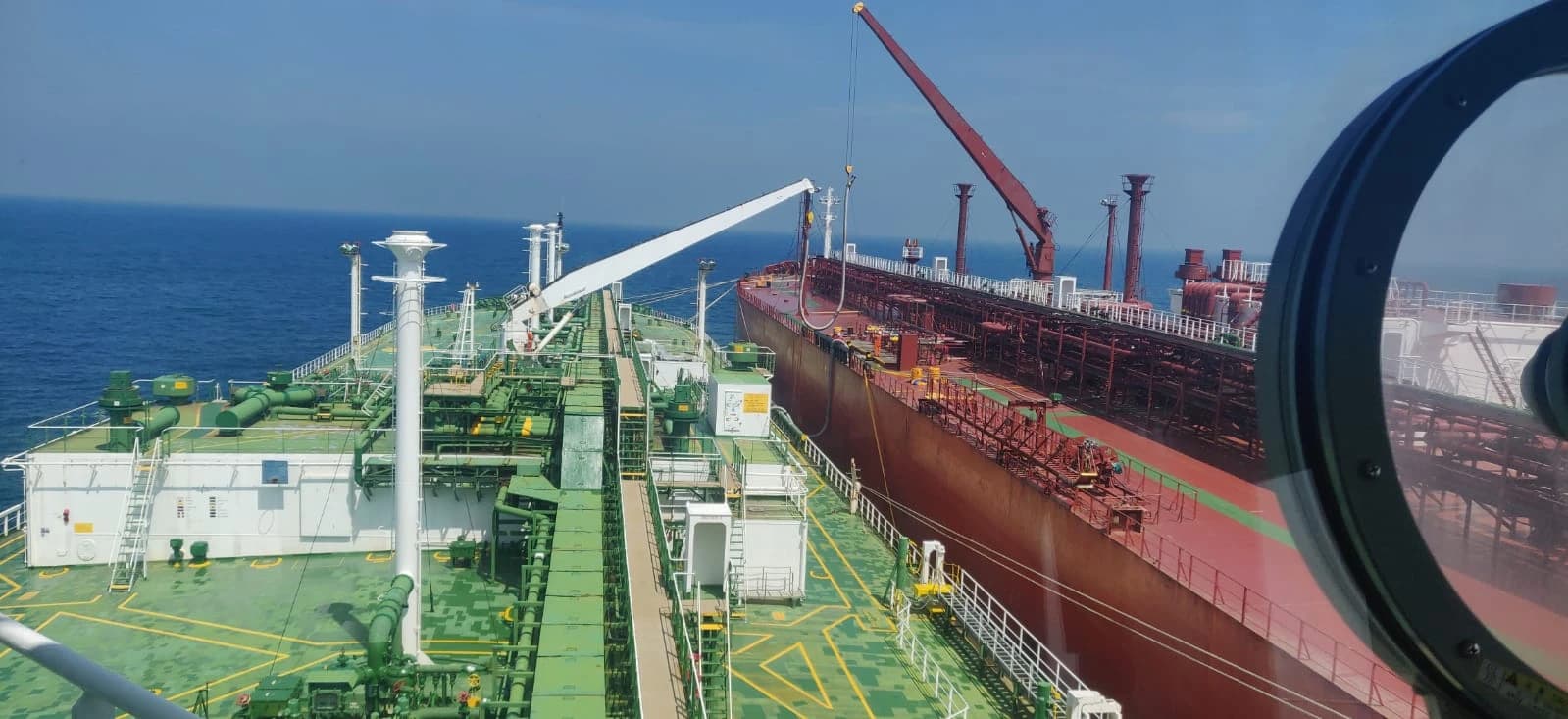
Hyundai LNG Shipping’s proposed sale to Indonesia’s Sinar Mas has cleared a key investment committee hurdle, moving a contested maritime deal closer to completion at a time when LNG supply chains remain strategically important and asset values are being reassessed across the shipping sector.
The significance is not just corporate. A transaction involving an LNG carrier operator sits at the intersection of energy security, shipping capacity and capital recycling, with buyers looking for exposure to long-lived cash flows and sellers weighing balance-sheet flexibility against the loss of a niche asset. If completed, the deal would add to a broader run of reshuffling in LNG logistics as global demand stays firm, trade routes remain vulnerable to geopolitical shocks and shipowners look to monetize specialized tonnage.
For Hyundai’s parent group, the sale would likely crystallize value in a business tied to one of the most resilient parts of maritime transport, while freeing capital for core priorities. For Sinar Mas, the acquisition would deepen its footprint in energy-linked infrastructure and offer a foothold in a market that has become more strategically prized since Europe’s scramble for non-Russian gas and Asia’s renewed appetite for cargoes tightened competition for shipping capacity.
The market backdrop helps explain why the transaction matters. European gas prices have eased from recent highs, but traders are still focused on supply uncertainty from the Middle East, low inventories and the risk of cargoes being redirected between Asia and Europe. That volatility has kept LNG logistics valuable even as spot prices fluctuate, because the economics of moving gas increasingly depend on controlling access to ships and infrastructure rather than simply owning molecules.
Investors will also read the deal through a valuation lens. LNG shipping assets typically command premiums when charter coverage is strong and the fleet is scarce, but the sector can be cyclical and highly sensitive to earnings visibility, financing costs and the direction of long-term gas demand. A clean approval from IMM would suggest the process is moving past an internal gate, potentially narrowing the discount that uncertainty had placed on Hyundai LNG Shipping’s standalone value.
Hyundai Motor shares have not tracked the story directly in the way a pure shipping name would, but the broader industrial backdrop matters for conglomerate investors: asset sales can reshape capital allocation, affect group structure and signal management’s appetite for portfolio optimization. In the shipping market, the more immediate beneficiaries would be LNG vessel owners, charterers and infrastructure investors, while companies exposed to bottlenecks in gas transport could lose if capacity tightens further.
The key question now is whether regulatory and stakeholder approvals follow the committee’s green light without delay. If they do, the deal would reinforce a pattern in which strategic energy transport assets are moving from legacy industrial owners to buyers willing to pay for scarcity value and geopolitical relevance. If not, the transaction will remain another reminder that in LNG shipping, corporate finance and energy security are becoming harder to separate.
| Entity | Gains | Losses |
|---|---|---|
| Hyundai LNG Shipping | ▲Value crystallization | ▼Standalone asset control |
| Sinar Mas | ▲LNG logistics exposure | ▼Acquisition cost |
| LNG shipping peers | ▲Higher sector valuation | ▼If capacity tightens |
| Industrial sellers | ▲Balance-sheet flexibility | ▼Future charter upside |