ICBC Sells 20 Billion Yuan Bonds
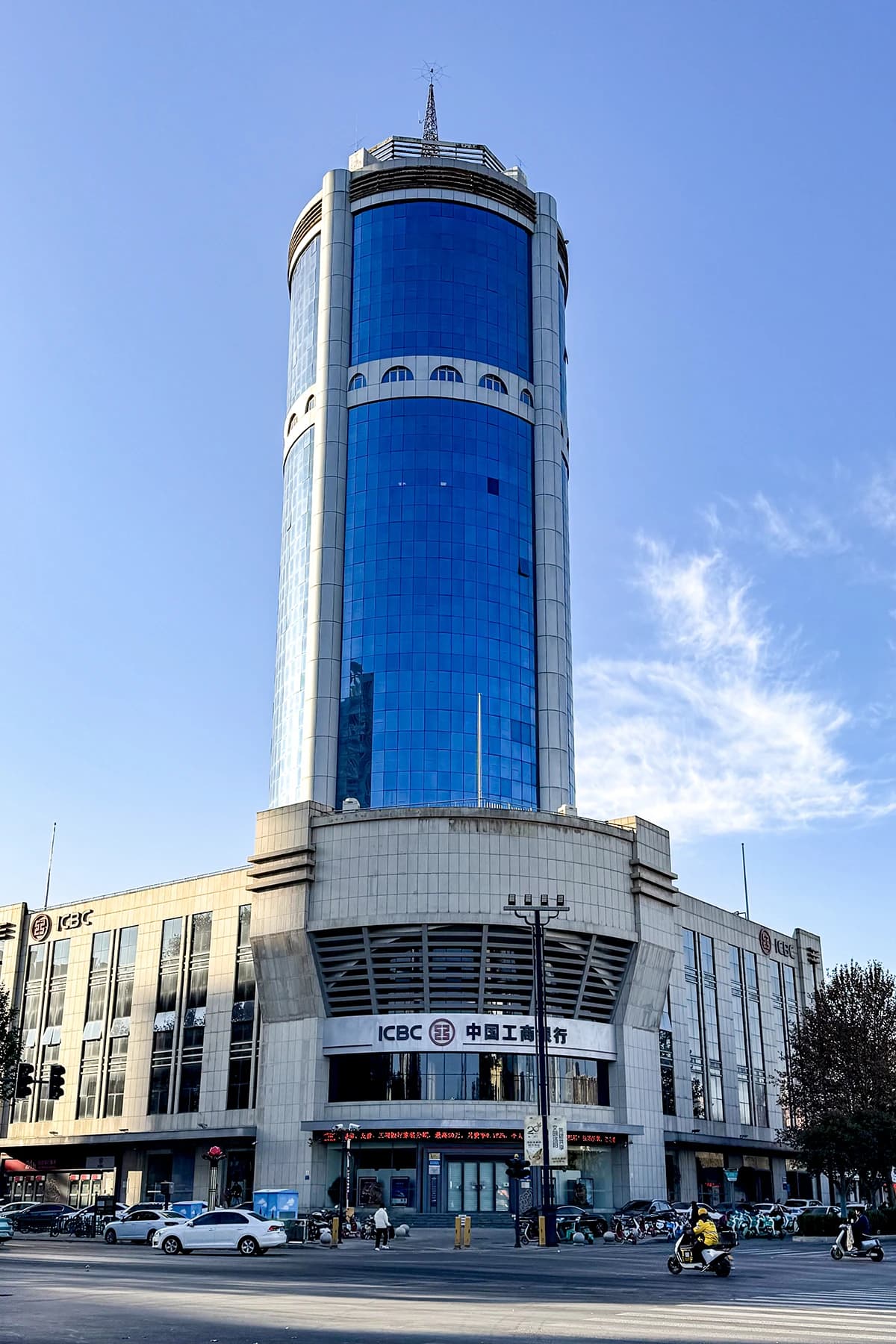
Industrial and Commercial Bank of China has tapped the market for 20 billion yuan of bonds as it seeks to reinforce its capital base, a move that underscores how China’s biggest lenders are being pushed to support lending even as margins stay under pressure and the economy leans on banks to absorb more credit risk.
The deal matters because capital, not liquidity, is the binding constraint for China’s major banks as growth slows and policy makers keep asking lenders to finance the real economy. For a systemic institution like ICBC, thicker equity is not just a balance-sheet upgrade: it is a buffer that helps preserve lending capacity, protect against loan losses and keep regulatory ratios comfortable if asset quality weakens.
The issue also lands in a market that has rewarded Chinese financials for their relative yield and defensive qualities. ICBC’s Hong Kong-listed shares have climbed to 19.34 yuan from 13.72 yuan in October, while Bank of China rose to 19.16 yuan from 12.67 yuan over the same span. The move has been accompanied by stretched technical readings, with both stocks trading well above their 50-day moving averages and recent RSI readings elevated, suggesting the market has already priced in much of the near-term capital-strength story.
For investors, the question is whether the capital raise is a sign of strength or a reminder that the sector remains under strain. The bull case is that Chinese banks are proactively locking in funding to preserve dividend capacity and meet future regulatory demands without a more disruptive recapitalization later. The bear case is that repeated balance-sheet support reflects thin net interest margins, weak credit demand and the likelihood that banks will continue to shoulder policy-driven lending.
The broader backdrop is consistent with a system that still has to reconcile growth support with capital preservation. Adalytica’s China yuan trade signals show extreme greed, while its China growth-target gauge has moved back to neutral, a mix that points to improving short-term confidence but limited conviction about the growth path. That combination tends to favor large state-backed banks in the near term, but it also leaves them exposed if stimulus fails to translate into stronger loan growth or if bad-debt costs rise.
ICBC’s bond sale therefore matters less as a one-off funding event than as another data point in China’s continuing effort to keep its banking system well capitalized without triggering market stress. If the sector can raise equity-like capital at scale and still preserve investor confidence, that supports earnings stability and policy flexibility. If not, the cost of sustaining credit growth could rise, and the market will begin to distinguish more sharply between banks that can absorb the pressure and those that cannot.
| Entity | Gains | Losses |
|---|---|---|
| ICBC | ▲Capital buffer | ▼Funding cost |
| Bank of China | ▲Sector support | ▼Valuation upside |
| China policymakers | ▲Lending capacity | ▼Less pressure relief |
| Long investors | ▲Stability, yield | ▼Near-term rerating potential |